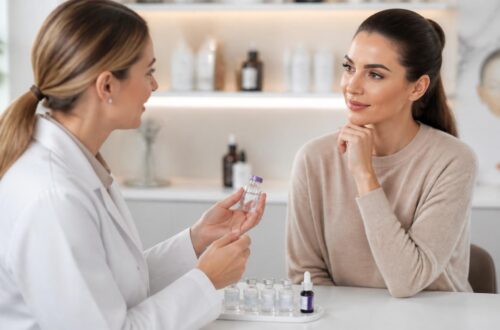
KPV peptide has attracted growing attention among wellness enthusiasts, researchers, and consumers looking for peptide products that emphasize purity, value, and trustworthy sourcing. If you are trying to decide where to buy KPV peptide, the most important factors go far beyond price alone. A low-cost option may look appealing at first, but without proper testing, quality controls, and transparent manufacturing standards, it may not deliver the level of confidence buyers expect.
Understanding how to compare KPV peptide products can help you avoid unreliable vendors and make a better purchasing decision. From third-party lab testing to ingredient transparency and shipping reliability, several details separate premium suppliers from questionable ones. This guide explains what KPV peptide is, what affects its price, how to evaluate quality, and what to look for before you buy.
What Is KPV Peptide?
KPV is a short peptide fragment made up of three amino acids: lysine, proline, and valine. It is commonly discussed in scientific and specialty wellness spaces because of its potential applications in research and peptide-based formulations. As interest in peptides continues to rise, KPV has become one of the products buyers frequently search for online.
Because peptide products are often sold through specialized retailers rather than mainstream stores, consumers need to be especially careful about where they purchase them. Not all suppliers maintain the same standards for purity, storage, packaging, or testing. That is why a quality-first approach matters when evaluating KPV peptide.
Why Buyers Are Comparing Price And Quality More Closely
The peptide market has expanded significantly, leading to a wider range of price points and product claims. Some vendors compete aggressively on cost, while others position themselves as premium sources based on testing, pharmaceutical-grade processes, or advanced packaging standards. For buyers, this creates a challenge: how do you know whether a higher price reflects better quality or just branding?
In many cases, the answer comes down to documentation and transparency. A trustworthy seller should be able to explain how the peptide is manufactured, tested, handled, and shipped. If pricing seems unusually low, that can be a sign that corners were cut somewhere in production or quality assurance.
What Affects The Price Of KPV Peptide?
KPV peptide pricing can vary based on several core factors. Looking at these elements will help you understand why one supplier charges more than another.
Purity Level
Higher-purity peptides generally cost more to produce. Reputable suppliers often provide batch-specific testing or certificates of analysis showing purity percentages. If a company cannot verify purity, even a low price may not represent real value.
Third-Party Testing
Independent lab testing adds cost, but it also builds buyer confidence. Products that undergo third-party verification for identity, purity, and contaminants often justify a premium price because they offer an extra layer of quality assurance.
Manufacturing Standards
Peptides produced in facilities with stronger quality controls, cleaner environments, and more rigorous procedures may cost more. Good manufacturing practices and sterile handling can influence both product consistency and pricing.
Packaging And Storage
Peptides are sensitive compounds, so proper packaging is important. Secure vials, tamper-evident seals, temperature-conscious shipping practices, and protective storage conditions can all contribute to cost.
Brand Reputation
Established peptide sellers often charge more because they have already invested in customer service, research documentation, quality testing, and fulfillment systems. A newer low-cost seller may not offer the same reliability.
How To Evaluate KPV Peptide Quality
When shopping for KPV peptide, quality should be your top priority. Here are the most important indicators to review before choosing a supplier.
Look For Certificates Of Analysis
A certificate of analysis, often called a COA, is one of the best ways to confirm a product has been tested. Ideally, the COA should be recent, batch-specific, and issued by a credible lab. It should include useful details such as peptide identity and purity results.
Check For Transparent Product Information
A legitimate seller should provide detailed information about the product, including:
- Peptide name and concentration
- Batch or lot details
- Testing standards
- Storage recommendations
- Shipping policies
If a website offers only vague descriptions or marketing claims without technical detail, that is a reason to be cautious.
Review The Company Reputation
Customer feedback can offer helpful insight into shipping speed, packaging quality, consistency, and responsiveness. While reviews should never be the only factor, they can help reveal red flags such as delayed orders, damaged products, or poor support.
Assess Website Professionalism And Transparency
Reliable peptide vendors usually maintain professional websites with clear contact information, terms and conditions, refund policies, and product details. If a seller hides basic business information or makes unrealistic claims, that should raise concern.
Where To Buy KPV Peptide Safely
The safest place to buy KPV peptide is from a specialized, transparent, and well-reviewed peptide supplier that emphasizes third-party testing and quality documentation. Because peptide products are typically sold online, buyers should focus on vendors that make verification easy.
Before placing an order, check whether the company provides:
- Third-party lab results for product verification
- Clear sourcing details and manufacturing information
- Professional customer support that can answer technical questions
- Secure checkout and shipping policies
- Reasonable return or satisfaction policies
Buying from a trusted online peptide provider is usually a better option than choosing unknown marketplace listings or anonymous resellers. Direct suppliers with documented standards tend to offer more consistency and accountability.
Red Flags To Avoid When Buying KPV Peptide
Not every peptide seller operates at the same standard. To protect your purchase, watch for these common warning signs.
- Missing COAs or lab reports
- Prices that are far below market norms
- Vague product descriptions
- No business address or contact details
- Unrealistic claims about guaranteed outcomes
- Poor website quality or unclear policies
These issues do not always confirm a seller is unreliable, but they should prompt extra caution. When it comes to peptides, transparency matters.
Is The Cheapest KPV Peptide The Best Value?
In most cases, no. The cheapest KPV peptide may save money upfront, but if the product lacks purity verification or arrives improperly packaged, it may not offer real value. A slightly higher-priced option from a trusted supplier can be the smarter investment because it reduces uncertainty around quality and handling.
Value should be measured by the full package, not just the sticker price. Ask yourself whether the supplier offers the testing, support, and documentation needed to justify the purchase. Price matters, but confidence matters more.
How To Compare Vendors Before Buying
If you are deciding between multiple KPV peptide sellers, it helps to compare them side by side using the same criteria. Consider making a checklist based on the following:
- Does the vendor provide third-party testing?
- Are purity levels clearly stated?
- Is the company transparent about sourcing and manufacturing?
- What do customer reviews say about delivery and packaging?
- Are shipping and storage practices explained?
- Is customer support easy to reach?
- Does the price align with the level of quality assurance provided?
This approach helps remove guesswork and makes it easier to identify which supplier offers the strongest balance of price and credibility.
Tips For First-Time KPV Peptide Buyers
If you are new to buying peptides, start with caution and focus on education before cost. First-time buyers are often tempted by promotions or discount deals, but understanding vendor quality indicators is more important than chasing the lowest advertised price.
Start With Research
Spend time reading product details, checking COAs, reviewing brand reputation, and comparing multiple sellers. A few extra minutes of research can help you avoid unreliable sources.
Buy From Established Sellers
Suppliers with a history of positive buyer experiences and transparent quality practices usually provide a more dependable purchase process.
Review Shipping Conditions
Since peptides may require careful handling, make sure packaging and shipping procedures are appropriate. Proper fulfillment helps maintain product integrity.
Keep Documentation
Save product pages, COAs, order confirmations, and receipts. This is helpful if you need support or want to compare