
PDRN stands for polydeoxyribonucleotide. In simple terms, it is a purified mixture of DNA fragments that has been studied for wound healing, tissue repair, anti-inflammatory effects, and skin rejuvenation. In aesthetic medicine, it is often discussed as part of the broader “salmon DNA” or polynucleotide trend, but medically it has a longer research history in regenerative and wound-healing contexts.
What is PDRN made from?
PDRN is generally described in the literature as a DNA-derived polymer or a mixture of DNA fragments, often sourced from salmon or trout sperm DNA after purification. Review literature describes PDRN as highly purified DNA-derived material, and a 2022 review notes that it typically consists of fragments with molecular weights ranging roughly from 50 to 1,500 kDa.
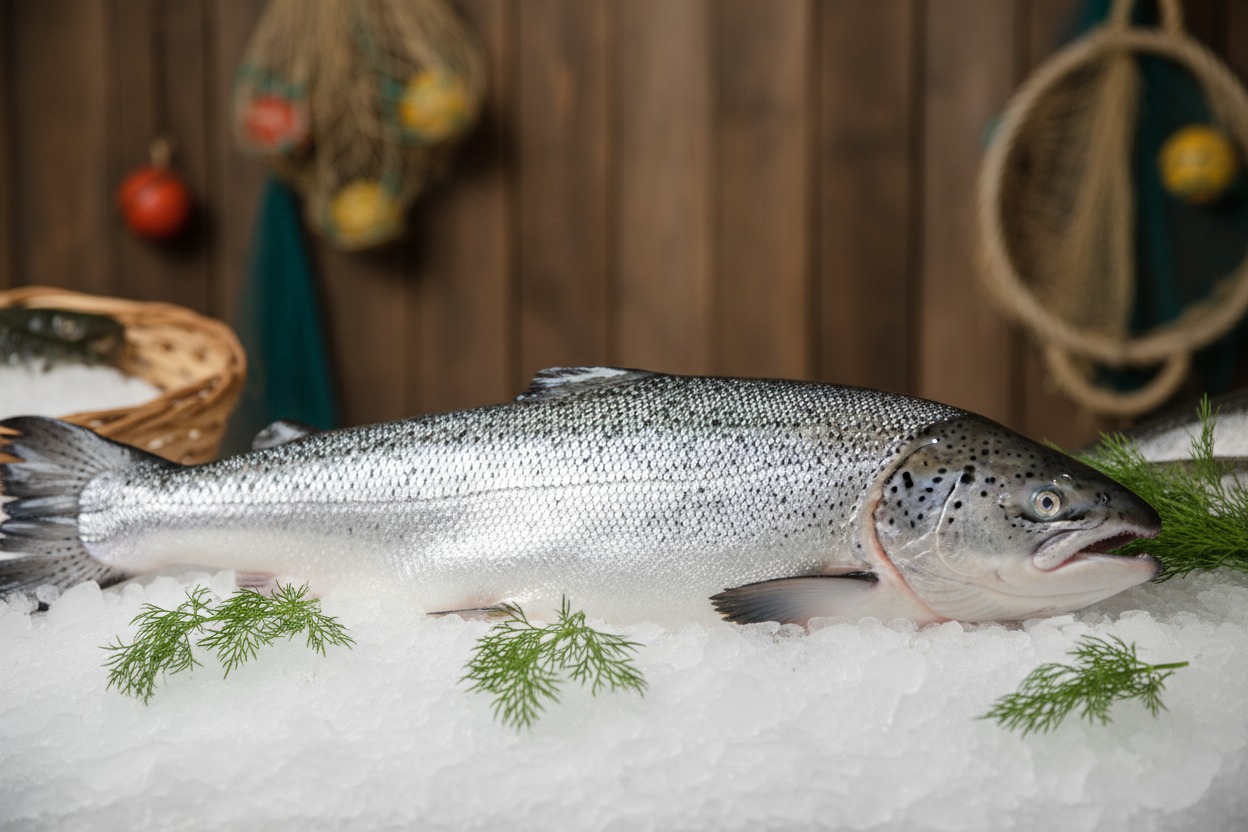
That source is one reason PDRN gets attention online. People often hear it described in a simplified way as “salmon DNA,” but what is actually used is purified DNA fragments, not raw biological material.
How does PDRN work?
The main mechanisms described in review literature are adenosine A2A receptor activation and support for the salvage pathway. In plain language, researchers think PDRN may help damaged tissue repair itself by promoting a more favorable healing environment and by supplying building blocks that cells can reuse for DNA synthesis and recovery.
This is why PDRN is often linked to reduced inflammation, improved tissue repair, collagen support, angiogenesis, and faster healing in the research literature. Those mechanisms are biologically plausible and show up consistently across reviews, although the strength of evidence varies a lot depending on the condition being treated.
What is PDRN used for?
PDRN has been studied in several areas, including:
- wound healing
- skin ulcers
- tissue repair
- scar support
- skin rejuvenation and aesthetic treatments
- some orthopedic and regenerative uses such as knee osteoarthritis research
A 2025 dermatology review says PDRN was approved by the Italian Medicines Agency (AIFA) in 1994 for superficial wounds, skin ulcers, and dystrophic connective tissue disorders, and that it has since drawn interest for broader dermatologic uses such as wrinkles, dryness, pigmentation, hair loss, and barrier dysfunction.
Why is PDRN so popular in skincare right now?
In beauty and aesthetics, PDRN is popular because it is marketed as a skin-repair or skin-booster ingredient. A 2024 review of polynucleotides in aesthetic medicine found that these products have been investigated for improving skin texture, wrinkle depth, hydration, elasticity, and overall facial appearance, but it also stressed that the evidence is still mixed and more research is needed.
That is really the key point. PDRN is not pure hype, but it is also not magic. The published reviews are generally promising but cautious, especially when it comes to aesthetics.
Dr. Reju-All PDRN Rejuvenating Cream – Rejuall PDRN Face Moisturizer – Optimal 1200ppm for Glass Skin & Plumping – Korean Pharmacy Anti-Aging Skin Care Face Cream (affiliate link)
Does PDRN actually work?
The best evidence-backed answer is: it looks promising, but the strength of proof depends on the use case. Reviews of wound healing and tissue repair are generally positive and describe PDRN as showing encouraging results in healing time, tissue regeneration, and inflammatory control.
For aesthetic medicine, the evidence is more uneven. The 2024 review on polynucleotides in aesthetics found some studies showing improvements in elasticity, hydration, and wrinkle appearance, but it also concluded that further research is needed to establish optimal use and efficacy, and that clinicians should be aware of current limitations and risks.
So the honest version is this: PDRN has a stronger research story than many viral skincare ingredients, but it is still not a settled miracle treatment.
PDRN vs. PN: what is the difference?
You will often see PDRN and PN discussed together. They are related, but they are not always used interchangeably in the literature. Recent reviews distinguish polydeoxyribonucleotides (PDRN) from broader polynucleotide (PN) products, even though both are used in regenerative and aesthetic settings. A 2025 comparison review specifically focuses on the molecular differences and functional overlap between PN and PDRN.
For most readers, the practical takeaway is that they are part of the same general regenerative-aesthetic category, but the exact formulation matters, and product claims should not be generalized too loosely from one PN or PDRN product to another.
Is PDRN safe?
The literature generally describes PDRN as having a favorable safety profile in the contexts studied, and multiple reviews mention low rates of serious adverse effects. At the same time, the 2024 aesthetics review says more research is still needed to define optimal use and understand limitations and potential risks in cosmetic practice.
That means the safety question depends heavily on the product, the country, the route of use, and the setting. A topical cosmetic product is not the same thing as an injectable treatment, and an injectable used abroad is not automatically equivalent to a regulated product in every market.
Is PDRN FDA approved?
Approvals vary by country and product type. Review literature states that PDRN was approved in Italy in 1994 for specific wound-related indications, and more recent reviews note its use as a drug or device in some markets. I did not find an FDA source in this search showing a broad U.S. cosmetic approval for injectable PDRN as a category, so product-specific regulatory status should be checked carefully rather than assumed.
Final verdict
PDRN is polydeoxyribonucleotide, a purified DNA-fragment material studied for wound healing, tissue repair, anti-inflammatory effects, and skin rejuvenation. It works through mechanisms that likely include adenosine A2A receptor activation and the salvage pathway, and there is legitimate scientific interest behind it.
But the best SEO-safe, evidence-based takeaway is this: PDRN is promising, especially for regenerative skin and tissue-repair uses, but the aesthetic hype is running ahead of the strongest clinical proof.
FAQ section
What does PDRN stand for?
PDRN stands for polydeoxyribonucleotide, a purified mixture of DNA fragments used in regenerative and aesthetic medicine research.
What is PDRN used for?
It has been studied for wound healing, tissue repair, skin rejuvenation, ulcers, inflammation control, and some orthopedic applications.
Is PDRN the same as salmon DNA?
Not exactly, but that is the common shorthand. Many PDRN products are derived from purified salmon or trout DNA fragments.
Does PDRN help skin?
Research suggests it may help with hydration, elasticity, texture, and post-injury or post-procedure repair, but aesthetic evidence is still developing.
Is PDRN proven?
It is better supported than many trendy ingredients, especially in wound-healing research, but cosmetic claims are still stronger than the highest-quality evidence in many cases.