

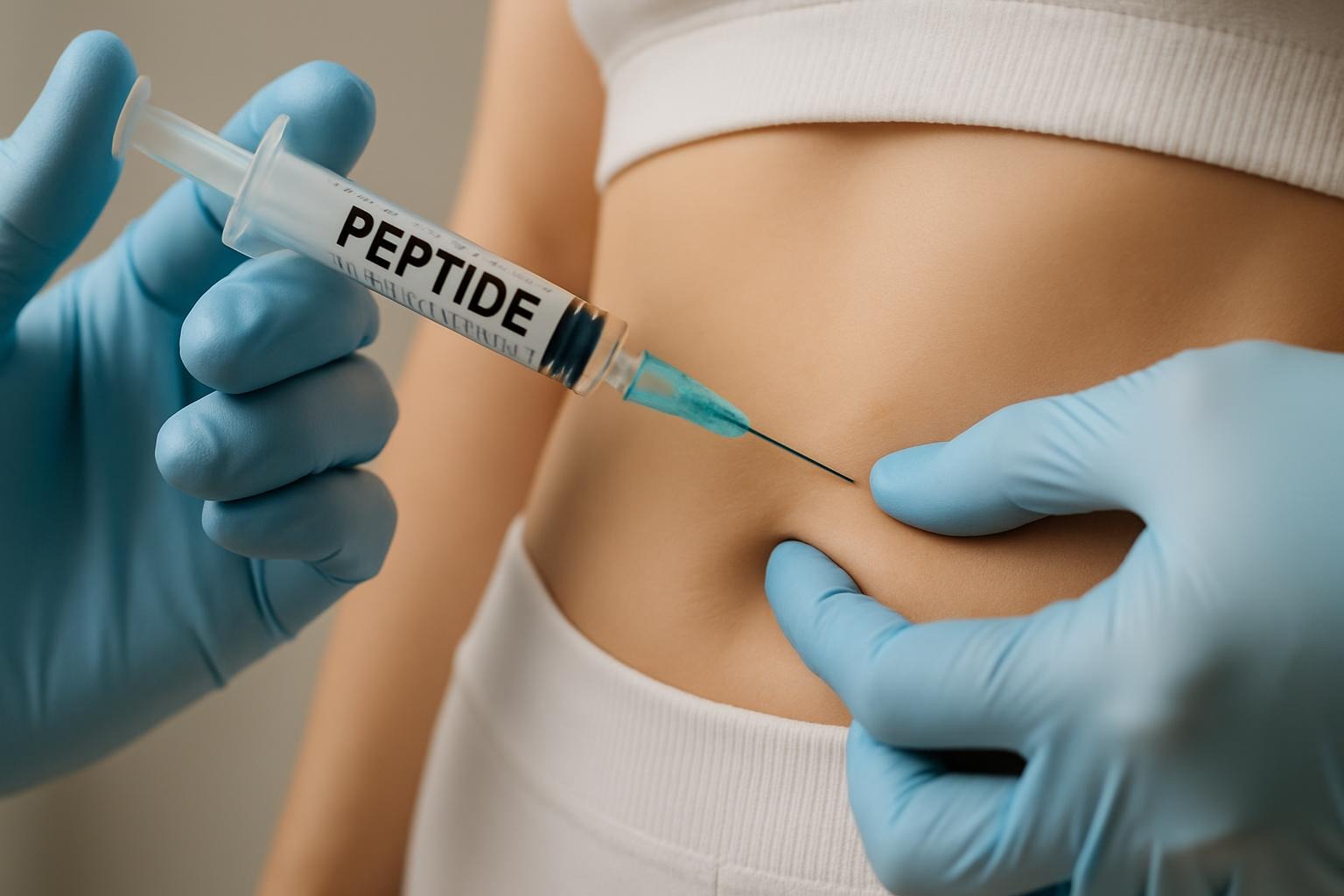
In the age of social media dominance, where looking “perfect” often seems like the ultimate goal, a growing number of influencers and celebrities are turning to peptide injections for rapid weight loss, muscle enhancement, and anti-aging benefits. The troubling truth? Many of these products are not approved by regulatory authorities, leaving consumers exposed to serious health risks and misinformation spread through digital influence.
What Are Peptide Injections?
Peptides are short chains of amino acids—essentially building blocks of proteins—that can signal cells to perform specific biological functions. In the medical world, certain peptides have legitimate therapeutic uses; for instance, some are prescribed under medical supervision for conditions like growth hormone deficiency, metabolic disorders, or to support wound healing.
However, outside regulated environments, an entire black market of unapproved peptide products has exploded. These injections are often marketed online or through social media as miracle solutions for weight loss, muscle growth, skin rejuvenation, and even sexual enhancement. The appeal is immediate: results without effort, and at a fraction of the cost of medical treatments. But the implications are profound and dangerous.
Why Are Influencers Turning to Peptides?
Influencers and celebrities shape global beauty and wellness trends. With their massive audiences, a single Instagram post or TikTok video can trigger viral demand for a product. Peptide injections are being touted as “Hollywood’s secret weapon” for maintaining toned physiques, glowing skin, and youthful energy levels.
Some of the reasons driving interest include:
- Quick results: Many users believe peptides deliver visible outcomes faster than conventional fitness or diet programs.
- Lower cost: Compared to cosmetic surgeries, peptide injections may appear relatively affordable.
- Peer influence: Seeing beloved celebrities endorse them builds consumer trust, even when those endorsements lack scientific backing.
- Social proof: Before-and-after images and “personal testimonies” create a potent psychological pull, regardless of authenticity.
Unfortunately, promotional posts rarely mention that many of these substances are not cleared by the U.S. Food and Drug Administration (FDA) or similar agencies abroad.
The Problem With Unapproved Peptides
Peptide-based medications must undergo rigorous testing for safety and efficacy. However, unapproved peptides distributed online bypass these evaluations. This means buyers have no assurance of what they’re injecting into their bodies. Some products may contain incorrect dosages, impurities, or entirely mislabeled ingredients.
Recent regulatory warnings have highlighted peptides like Melanotan II, BPC-157, and Ipamorelin/CJC‑1295—often advertised for tanning, muscle gain, or anti-aging—as particularly concerning. These substances can profoundly alter hormonal activity and metabolism. Using them without medical supervision can cause severe side effects, ranging from endocrine imbalances to organ toxicity.
Potential Health Risks
Unsupervised peptide usage carries considerable dangers. Some of the most frequently reported complications include:
- Hormonal imbalances: Artificially stimulating growth factors can disrupt natural hormone production, leading to complications like infertility or metabolic disorders.
- Injection site infections: Because many peptides are self-administered under non-sterile conditions, risks of bacterial contamination are high.
- Immune reactions: Introducing synthetic peptides may trigger unexpected allergic or autoimmune responses.
- Cardiovascular strain: Certain growth-related peptides can increase blood pressure and strain the heart.
- Unpredictable long-term consequences: Since these compounds are often experimental, there’s little to no long-term safety data.
The allure of looking younger or sculpted quickly may blind consumers to these hidden threats. In many reported cases, users experience short-term satisfaction followed by lasting physical harm.
Regulatory Oversight and Legal Issues
The FDA and global health agencies classify peptides as prescription-only compounds when they are used therapeutically. That means they must be prescribed by licensed physicians, dispensed by regulated pharmacies, and meet manufacturing standards. Unapproved or “research-only” peptides sold online do not meet any of these requirements.
Despite this, a robust gray market operates under the guise of “for laboratory use only.” Sellers skirt regulations by labeling their products as not intended for human consumption—yet market them through influencer testimonials clearly implying personal use.
Governments and regulatory bodies have responded by issuing warning letters, shutting down online vendors, and discouraging social media promotion. The crackdown, however, faces a challenge: every time a seller is removed, several more appear, often operating across jurisdictions where enforcement is weaker.
Ethical Concerns in Influencer Marketing
Another dimension to this issue lies in social responsibility. Influencers who promote peptides often fail to disclose sponsorships or personal risks, misleading followers who trust their recommendations. This raises ethical and legal questions regarding disclosure obligations under advertising standards and consumer protection laws.
Social media platforms have started tightening regulations around pharmaceutical advertising, but enforcement remains inconsistent. That means consumers must be more skeptical and better informed.
Medical Experts Weigh In
Healthcare professionals have repeatedly cautioned against the unregulated use of peptides. Endocrinologists emphasize that while peptide research is promising, it remains experimental for many popular applications. The absence of standardized dosing and proven safety profiles makes unsupervised use especially risky.
Dr. Lina Rosenthal, a clinical researcher specializing in metabolic medicine, notes that “while peptides hold real therapeutic promise, their misuse outside clinical oversight undermines patient safety.” She stresses that consumers using black-market peptides could be “playing a dangerous game with their hormonal systems.”
In legitimate clinical contexts, peptides are carefully dosed, monitored, and backed by laboratory testing. Attempting similar results through unverified products purchased online is a recipe for harm.
The Psychology Behind the Hype
Much of the popularity surrounding peptide injections can be traced to social mechanics. The desire for immediate transformation—an amplified byproduct of social media culture—creates a fertile market for quick fixes. When celebrities hint at “secret methods” or influencers post transformation reels with cryptic peptide tags, curiosity skyrockets.
Psychologically, such marketing taps into:
- FOMO (Fear of Missing Out): Users worry about falling behind perceived trends or standards.
- Authority bias: Viewers tend to trust those they perceive as successful or attractive, even without medical expertise.
- Confirmation bias: Success stories overshadow warnings, reinforcing belief in peptide benefits.
Understanding these psychological triggers can help people guard themselves against manipulative wellness trends.
How to Protect Yourself
The best defense against harmful peptide products is informed skepticism. Before considering any injection, supplement, or off-label therapy, ask critical questions:
- Is this product approved by regulatory agencies like the FDA or EMA?
- Has it been prescribed by a licensed healthcare provider?
- Is the compound research-grade or manufactured in a certified facility?
- Are there credible peer-reviewed studies proving its efficacy and safety?
- Am I relying on an online review or influencer, instead of professional medical advice?
Safer Alternatives
Those seeking the supposed benefits of peptides—better metabolism, lean muscle, youthful skin—should consider proven, safer approaches:
- Balanced nutrition: High-quality protein intake and micronutrient-rich diets naturally support healthy peptide production within the body.
- Strength training: Regular exercise stimulates growth hormone release and muscle tone without external interference.
- Medical-grade skincare: Dermal peptides approved for topical use can deliver cosmetic benefits safely.
- Consult a professional: Engage with licensed nutritionists, dermatologists, or endocrinologists before trying any peptide-related therapy.
Final Thoughts
The fascination with peptides underscores a broader societal pattern: the relentless pursuit of enhancement, often driven by digital influence and unrealistic standards. While scientific research continues to explore peptide-based therapies, the current flood of unapproved peptide injections represents a dangerous convergence of pseudoscience, marketing hype, and lax oversight.
Until regulatory authorities can better contain this marketplace, consumers must rely on critical thinking and expert guidance. The promise of quick transformation is tempting, but the reality is sobering—unapproved peptides put both health and credibility at risk. As health experts emphasize, beauty and wellness are built on long-term consistency, not clandestine shortcuts.
In short: If you wouldn’t trust a