

Understanding the Growing Trend of Experimental Drugs Promoted Online
In today’s fast-paced digital world, health and wellness advice spreads faster than ever. The rise of social media influencers—people with large, dedicated followings—has reshaped how products reach consumers. One of the most concerning trends to emerge from this landscape is the **promotion of experimental drugs and unapproved treatments**.
While some influencers claim to share life-changing discoveries or “biohacking secrets,” these unverified substances often come with **serious medical and ethical risks**. The glamour of social influence can blur the lines between informed health choices and dangerous self-experimentation. As this trend grows across platforms like TikTok, Instagram, and YouTube, experts and regulatory bodies are warning of potentially disastrous consequences.
What Are Experimental Drugs?
Experimental drugs are compounds that have not yet received approval from regulatory authorities such as the **U.S. Food and Drug Administration (FDA)** or the **European Medicines Agency (EMA)**. This means their **safety, efficacy, and side effects are still under study**. Most are designed for clinical trials, where participants are closely monitored by medical professionals. However, when these substances are promoted directly to consumers via social media, they often fall into unregulated territory.
Some experimental drugs fall under categories such as:
- Nootropics: Supplements or compounds touted to enhance cognitive function, memory, or creativity.
- Peptides: Short chains of amino acids claimed to influence muscle growth, metabolism, or skin rejuvenation.
- Unapproved weight-loss drugs: Formulas that claim to accelerate fat burning or appetite suppression without official clearance.
- DIY hormone therapies: Self-administered treatments for anti-aging or performance enhancement.
The issue arises when consumers purchase these compounds online, often from overseas or unregulated sources, without professional oversight.
The Role of Social Media Influencers
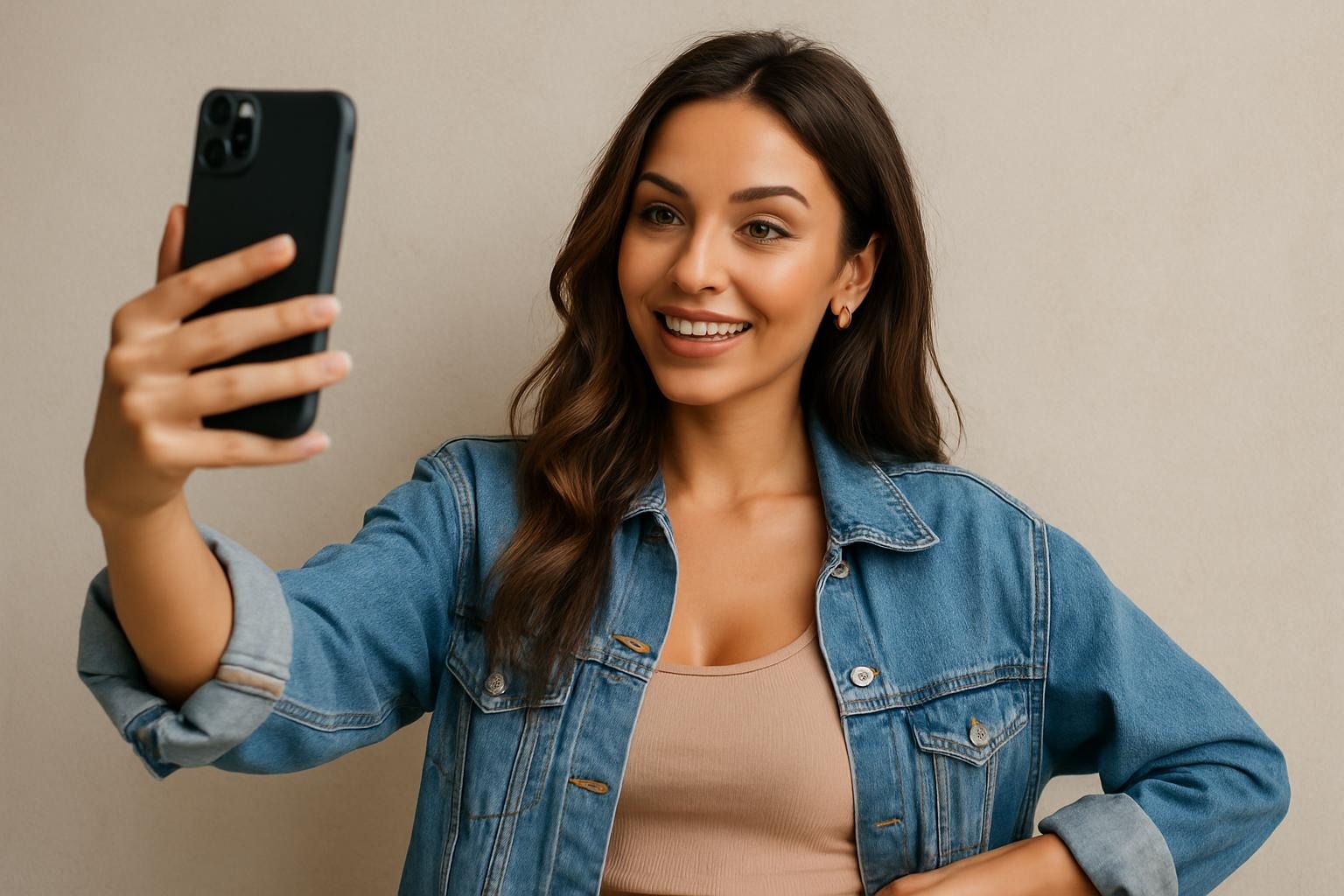
Influencers occupy a powerful space between celebrity and peer. Their audiences tend to trust their opinions—especially when framed as personal experiences rather than advertisements. This trust gives influencers significant sway in shaping trends, including those related to health and wellness.
Many influencers who promote experimental drugs do so under the banner of **self-optimization**. They share personal anecdotes, dramatic “before-and-after” photos, and testimonials about renewed energy, mental clarity, or physical transformation. However, **these claims often lack scientific support**, and followers may interpret anecdotal evidence as factual medical advice.
Some influencers have links to companies that supply or manufacture these drugs. In such cases, **conflicts of interest** are seldom disclosed, misleading followers into thinking the endorsements are genuine acts of curiosity or altruism.
Why Audiences Are Easily Persuaded
The allure of these promotions lies in a few key psychological triggers:
- Instant gratification: Promises of quick results appeal to those frustrated with slow medical or fitness progress.
- Distrust of traditional medicine: Some consumers view mainstream healthcare as inaccessible or corporate-driven, making alternative options appear more authentic.
- Social proof: Seeing influencers and peers share positive results reduces perceived risk, even when the dangers are real.
These factors combine to create a fertile environment for misinformation—and real harm.
The Hidden Dangers of Using Unapproved Substances
Using experimental drugs outside regulated clinical trials carries significant risks. Among the most serious are:
- Unknown ingredients: Many substances sold online are mislabeled or contain dangerous additives.
- Lack of dosage control: Even if a drug shows benefits at specific doses in lab conditions, self-administered versions often vary wildly in potency.
- Severe side effects: Users have reported issues ranging from allergic reactions and liver damage to severe psychiatric effects.
- Drug interactions: Experimental compounds may interact dangerously with existing prescriptions or supplements.
Even when users do not experience immediate effects, **long-term complications** are unknown. Without extensive studies, it is impossible to predict the full impact these drugs may have on organ function, hormone levels, or the nervous system.
Legal and Ethical Implications
The marketing of these substances walks a fine line between **entrepreneurship and illegality**. Influencers promoting unapproved drugs for profit may inadvertently cross into unlawful territory—especially if they make medical claims without proper disclaimers.
Regulators such as the **Federal Trade Commission (FTC)** and the **FDA** have begun to issue warnings. The FTC, for instance, has repeatedly reminded influencers that failing to disclose paid partnerships violates advertising guidelines. Meanwhile, the FDA continues to crack down on companies distributing untested pharmaceuticals as “supplements” or “research chemicals.”
Ethically, influencers who promote these substances face criticism for exploiting consumer trust. When health becomes content, lives can be put at risk for the sake of engagement metrics or affiliate revenue.
The Psychological Appeal of “Biohacking”
A key driver behind the rise of online drug culture is the **biohacking movement**—a philosophy centered on optimizing body and mind through data, supplements, and technology. What began as a fringe interest among Silicon Valley technophiles has transformed into a global obsession with self-optimization.
Influencers often use **biohacking rhetoric** to frame experimental drug use as something visionary and empowering. Terms like “enhancement,” “longevity,” and “human upgrade” create an aura of innovation. Unfortunately, these narratives can overshadow **the scientific reality**: that experimentation on the human body is not without consequence.
The desire for control over one’s health and performance is understandable, but **self-administering untested substances** undermines that very autonomy when the outcome could include addiction or permanent damage.
Examples of Dangerous Trends
Several recent examples highlight the risks:
- Unapproved peptides marketed for fitness gains leading to hormonal imbalances.
- Nootropic “stacks” promoted on TikTok causing severe anxiety or insomnia among younger users.
- DIY injectable treatments shared across online communities without sterile conditions, leading to infections and hospitalizations.
The Role of Regulators and Health Authorities
Authorities worldwide are stepping up efforts to monitor online marketplaces and influencer content. However, enforcement remains difficult. The **digital ecosystem transcends borders**, and content can spread rapidly before being removed.
Recent initiatives include:
- Stronger labeling policies: Platforms like Instagram now require biological and medical disclaimers for certain ads.
- Collaborations with healthcare experts: Regulators are working with medical professionals to fact-check content and flag misleading health claims.
- Consumer education campaigns: Public health groups are launching awareness drives to help users recognize misinformation.
Despite these efforts, enforcement alone cannot solve the problem. Education and critical media literacy are essential to help audiences **question the credibility** of what they see online.
What Consumers Can Do to Protect Themselves
Before considering any substance promoted online, users should take the following precautions:
- Consult a medical professional: Never start a new drug or supplement without a doctor’s guidance.
- Research the compound: Verify whether the product is FDA-approved or undergoing legitimate clinical trials.
- Beware of unrealistic claims: Phrases like “miracle cure,” “no side effects,” or “instant results” are major red flags.
- Report misleading content: Use platform tools to report suspicious accounts or illegal product promotions.
Remember: your favorite influencer’s experience is not scientific evidence.
Conclusion: Prioritizing Safety in the Age of Influence
The intersection of health culture and social media influence can be empowering when used responsibly. Yet, the growing trend of influencers promoting experimental drugs underscores how easily persuasion can outpace regulation and critical judgment.
Consumers, content creators, and regulators share a collective responsibility to ensure that **innovation does not come at the expense of safety**. Transparency, accountability, and sound scientific communication are essential to protect the public from harm.
Experimental drugs belong in controlled research environments—not trend-driven marketing. The next time an influencer promotes a miracle compound, approach it with skepticism and seek guidance from qualified professionals. In a world where viral health trends often promise the impossible, making informed choices may be the most radical act of self-care.