What Is a Suntan Peptide?
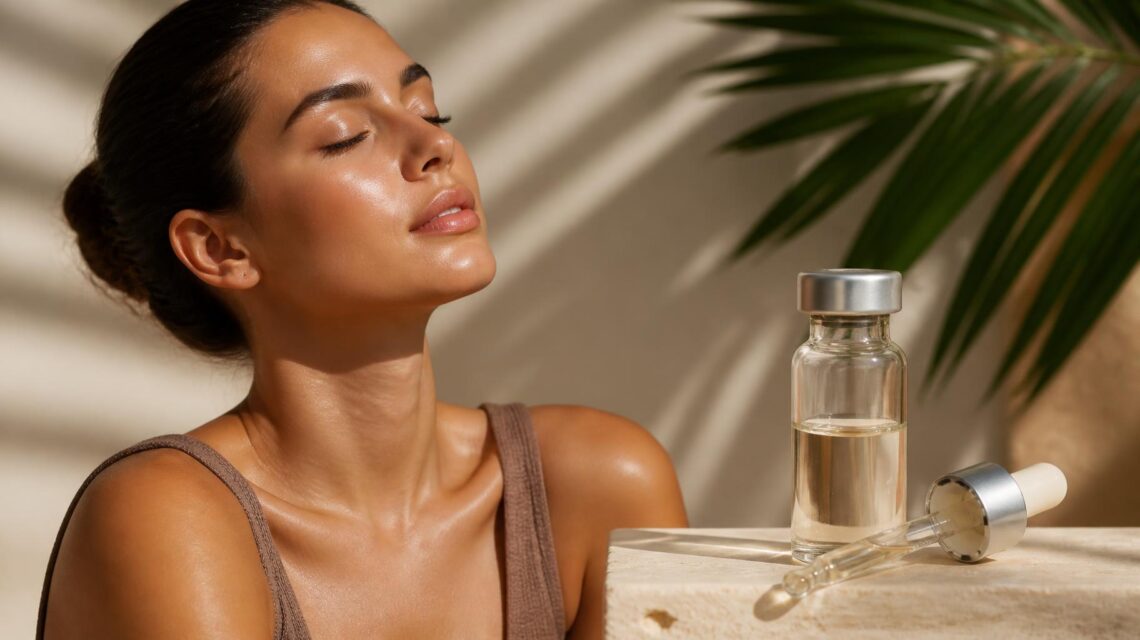
A suntan peptide is a synthetic compound designed to influence the body’s melanin production, the natural pigment responsible for the colour of skin, hair and eyes. The term most commonly refers to melanotan II and related products, which are marketed online as a way to develop a darker or more even-looking tan with less exposure to sunlight.
These products are often promoted as tanning injections, nasal sprays or research chemicals. However, suntan peptides are not the same as approved self-tanning lotions, and they should not be confused with sunscreen or other recognised forms of UV protection. Many products sold online have not been evaluated for safety, quality, effectiveness or accurate dosing by medicines regulators.
Although the idea of a peptide that encourages tanning may sound appealing, there are important health and safety issues to understand before considering one. The potential risks can involve the skin, eyes, heart, blood pressure and the quality of the product itself.
How Do Tanning Peptides Work?
Melanotan compounds are synthetic versions of substances that interact with melanocortin receptors in the body. These receptors can influence melanin production, appetite, sexual function and other biological processes. By stimulating certain receptors, a suntan peptide may encourage the skin to produce more melanin.
Melanin can make the skin appear darker and may provide a small amount of natural protection against ultraviolet radiation. However, this effect is not equivalent to applying a broad-spectrum sunscreen. A darker complexion does not prevent all sun damage, and tanning peptides should never be used as a substitute for SPF, protective clothing or shade.
The results can vary considerably. Some people may notice a darker skin tone, while others may develop uneven pigmentation, darker freckles or changes in existing moles. Factors such as skin type, dose, product purity and sun exposure can all affect the final appearance.
Are Suntan Peptides Approved and Regulated?
One of the biggest concerns surrounding suntan peptides is that products sold for cosmetic tanning are often unapproved. Online sellers may describe them as laboratory or research products, but this does not guarantee that they are safe for human use. It also does not confirm that the stated ingredients, concentration or sterility are accurate.
Injectable products carry additional risks because they bypass the body’s natural protective barriers. If a product is contaminated, incorrectly prepared or administered with an unsterile needle, it may cause infection, abscesses or more serious complications. Nasal products may also contain unknown ingredients or inaccurate concentrations.
Regulatory status varies between countries, but the general principle is consistent: consumers should be cautious about any tanning peptide that is not prescribed, dispensed and monitored through a legitimate healthcare pathway. Products purchased through social media, unofficial websites or overseas sellers may not meet recognised manufacturing standards.
Potential Side Effects of Suntan Peptides
The side effects associated with melanotan-type compounds can differ from person to person. Some reactions may be mild and temporary, while others require medical attention. Reported effects may include:
- Nausea, vomiting or reduced appetite
- Headache, dizziness or fatigue
- Facial flushing or feelings of warmth
- Increased blood pressure
- Changes in sexual function
- Darkening of freckles, moles or other pigmented areas
- Uneven or patchy skin pigmentation
- Skin irritation or allergic reactions
- Infections related to injections or contaminated products
A particularly important concern is the appearance or alteration of pigmented lesions. If a mole becomes larger, darker, irregular or begins to itch or bleed, it should be assessed by a qualified healthcare professional. Any new or changing skin mark should be checked rather than automatically attributed to tanning.
Possible Skin Cancer Concerns
It is not accurate to say that tanning peptides directly cause skin cancer based solely on their ability to increase melanin. However, their use may encourage people to spend more time in the sun or use tanning beds, increasing exposure to ultraviolet radiation. UV exposure is a well-established risk factor for skin cancer, premature skin ageing and eye damage.
There is also concern about changes in moles and other pigmented lesions following the use of melanotan products. Because many products are unregulated and long-term human safety information is limited, the full risks remain uncertain. Limited evidence is not the same as proof of safety.
Does a Suntan Peptide Protect Against Sunburn?
No. A suntan peptide should not be treated as sun protection. Even if it darkens the skin, it does not provide reliable protection from ultraviolet A or ultraviolet B radiation. You can still experience sunburn, DNA damage, premature wrinkles, pigmentation changes and an increased risk of skin cancer.
Effective sun protection includes:
- Using a broad-spectrum sunscreen with an SPF of 30 or higher
- Applying enough sunscreen and reapplying it regularly
- Wearing tightly woven clothing, a wide-brimmed hat and UV-protective sunglasses
- Seeking shade during the strongest midday sunlight
- Avoiding tanning beds and deliberate sunbathing
- Taking extra care around water, snow and sand, where UV radiation can reflect
Sunscreen is most effective when combined with clothing and shade. It should not be used to extend the amount of time spent in direct sunlight.
Why Results May Look Uneven
Many people search for a suntan peptide because they want a smoother, more consistent skin tone. In practice, the results may be unpredictable. Melanin production is not always evenly distributed, so tanning peptides can make freckles, scars, moles and areas of existing pigmentation appear darker than the surrounding skin.
Uneven results may also be caused by differences in skin thickness, sun exposure, hormone levels and individual sensitivity. Some people may develop a colour that looks orange, grey or unusually deep rather than naturally bronzed. Stopping the product may not immediately reverse pigmentation changes, and certain marks may remain noticeable for an extended period.
Safer Ways to Create a Tanned Appearance
For people who want the appearance of a tan without intentional UV exposure, topical self-tanning products are generally a more established option. Most contain dihydroxyacetone, often referred to as DHA, which reacts with proteins in the outermost layer of the skin to create temporary colour.
Self-tanning lotions, foams, creams and drops do not stimulate melanin production. They also do not protect the skin from sunlight unless a separate sunscreen has been added and used correctly. Even when using a self-tanner, sunscreen remains necessary outdoors.
Tips for a More Even Self-Tan
- Exfoliate gently before application, paying attention to elbows, knees and ankles
- Apply the product to clean, dry skin
- Use a small amount on naturally dry areas
- Blend carefully around the hands, feet, hairline and jaw
- Wash your hands thoroughly after application
- Allow the product to develop according to the label instructions
- Patch test new products if you have sensitive or reactive skin
Professional spray tans may also provide an even-looking result, although the solution should not be inhaled or allowed to contact the eyes, lips or mucous membranes. A reputable salon should explain its safety procedures before treatment.
When to Speak to a Healthcare Professional
Anyone who has used a tanning peptide and develops severe nausea, chest pain, difficulty breathing, fainting, intense headache or signs of infection should seek urgent medical advice. Injection-site redness, swelling, warmth, pus or worsening pain may indicate an infection.
It is also sensible to arrange a skin examination if a mole or freckle changes after using a tanning peptide. Warning signs can include asymmetry, an irregular border, multiple colours, rapid growth, persistent itching or bleeding. A doctor or dermatologist can assess the area and recommend appropriate follow-up.
Before using any unapproved cosmetic or injectable product, discuss the risks with a qualified healthcare professional. This is especially important for people who are pregnant or breastfeeding, have a history of skin cancer, take medicines that affect blood pressure or have a condition involving the heart, skin or eyes.
The Bottom Line on Suntan Peptides
Suntan peptides such as melanotan-type products are marketed as a way to produce a darker, more even-looking tan, but their benefits are uncertain and their risks can be significant. Many are unregulated, may have inaccurate ingredients or doses, and are not proven to protect against UV damage.
A temporary tan created with a topical self-tanner is generally a more predictable cosmetic option than using an unapproved peptide. Whatever method you choose, protecting your skin from ultraviolet radiation remains essential. A gradual, even-looking tan should never come at the cost of long-term skin health.