

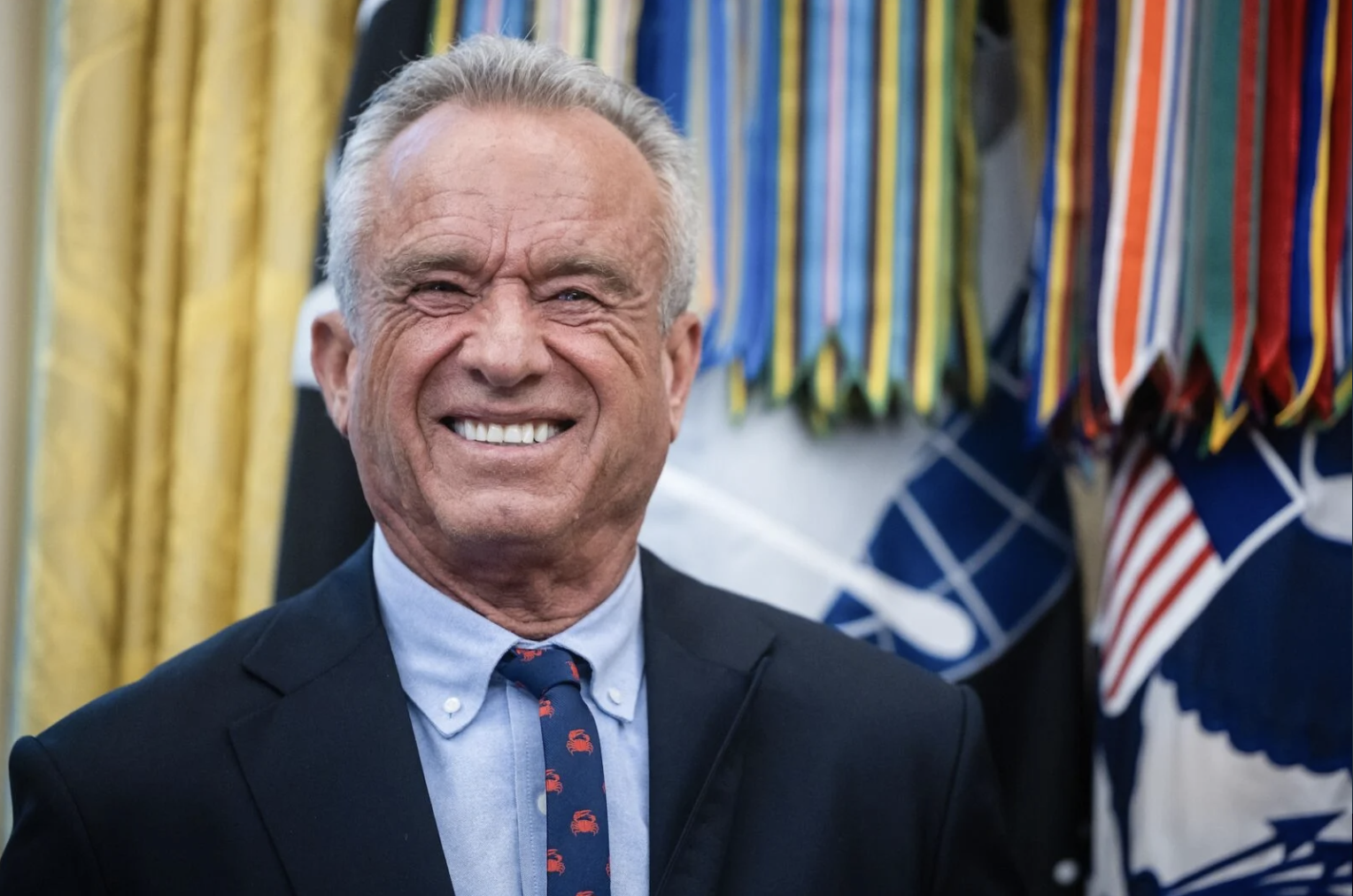
Robert F. Kennedy Jr., independent presidential candidate and long-time advocate for health transparency, recently joined Joe Rogan’s popular podcast for a wide-ranging discussion that took an unexpected turn. During the conversation, Kennedy revealed his plans to make public a list of **14 peptides** currently banned by U.S. health regulators—a statement that quickly ignited debates across social media and the wellness community.
What Are Peptides and Why Are They Controversial?
For those unfamiliar with the term, **peptides** are short chains of amino acids, the building blocks of proteins. In health and wellness circles, they are often used to **stimulate cellular repair, boost metabolism, and enhance muscle growth.** Many athletes and biohackers have turned to peptides for their reputed anti-aging and performance-enhancing qualities.
However, several peptides have been **restricted or banned by the Food and Drug Administration (FDA)** due to concerns about safety, unregulated manufacturing, and insufficient research supporting their long-term effects. In recent years, regulators have moved aggressively to curtail their use in over-the-counter supplements and medical treatments not approved by clinical trials.
RFK Jr.’s Bold Revelation on the Rogan Podcast
During the multi-hour interview with Joe Rogan, Kennedy described his frustration with what he views as **unnecessary secrecy in medical science**. He noted that a range of peptide compounds, used successfully in other parts of the world for regenerative therapies, have been “locked away” from Americans due to regulatory restrictions.
According to Kennedy, he intends to **release a dossier outlining 14 peptides** that he claims could offer remarkable health benefits—once properly studied and made accessible through responsible oversight.
Kennedy didn’t specify exactly which peptides appear on his list, but enthusiasts in the wellness community immediately speculated that it might include well-known compounds such as:
- BPC-157 – Associated with tissue repair and anti-inflammatory effects.
- Thymosin Beta-4 (TB-500) – Believed to support muscle recovery and wound healing.
- Ipamorelin – A growth hormone-releasing peptide often discussed in longevity circles.
- GHRP-6 – Known for boosting growth hormone output and appetite regulation.
- Melanotan II – A peptide sometimes used for tanning and sexual function enhancement.
Many of these are currently restricted in the United States but remain available through research suppliers or clinics operating in other countries.
The Conversation’s Ripple Effect
Rogan’s podcast, known for exploring topics on the cutting edge of science, health, and freedom of speech, provided Kennedy with a massive platform. Within hours of the episode’s release, clips of the conversation went viral. Online discussions erupted between critics accusing Kennedy of **promoting unsafe, unverified compounds**, and supporters applauding him for **challenging the pharmaceutical industry’s control over innovation.**
Kennedy emphasized that his goal was not to promote DIY experimentation but rather to **demand transparency** from health authorities and urge the U.S. government to revisit outdated restrictions. “Americans deserve access to the same level of medical innovation as citizens in Europe or Australia,” he reportedly told Rogan.
Understanding the Appeal of Banned Peptides
Supporters of peptide therapy often describe them as **“the frontier of regenerative medicine.”** The appeal lies in their ability to signal specific cellular responses—repairing or rejuvenating tissues without the broad effects of traditional pharmaceuticals.
Some of the purported benefits linked to various peptides include:
- Accelerated muscle recovery after injury or strenuous activity.
- Increased collagen production for improved skin elasticity and wound healing.
- Enhanced metabolism and fat reduction potential.
- Optimized sleep cycles and improved cognitive performance.
- Anti-inflammatory and anti-aging properties.
While evidence continues to build in some of these areas, critics highlight that **most peptide studies are small-scale or animal-based**, leaving many unanswered questions about safety and long-term outcomes.
Safety Concerns and the Need for Oversight
Government agencies like the FDA argue that the restrictions are in place for good reason. Because peptides are complex biological molecules, **differences in purity, dosage, and formulation** can dramatically alter their function. Unregulated sources may produce compounds contaminated with toxins or heavy metals, leading to dangerous side effects.
Additionally, when peptides influence hormone levels or growth factors, **there’s a risk of unintended cellular changes**, potentially increasing cancer risks or disrupting normal physiology. Regulators maintain that until rigorous, large-scale clinical trials confirm both safety and efficacy, these substances should remain under controlled access.
Kennedy, however, takes issue with this cautious stance. He argues that **bureaucratic inertia and corporate lobbying** have slowed the development of life-changing therapies. He characterizes the health system as one that “protects monopolies rather than patients,” suggesting that America’s innovation pipeline has become stifled by conflicting interests.
Public Response: Divided but Curious
The reaction to Kennedy’s revelation fits a familiar pattern in modern health discourse. On one hand, skeptics pointed out that discussing banned substances without medical context could mislead listeners. On the other, wellness advocates celebrated the idea of **demanding open science and pushing for broader research access**.
Across online forums like Reddit and X (formerly Twitter), users debated whether the “14 peptides” list will trigger an unnecessary controversy or whether it might catalyze an important public conversation about reforming regulatory frameworks.
What Could Happen If Kennedy Releases the List?
If Kennedy actually makes his peptide list public, several potential outcomes are possible:
- Increased awareness and research interest: Scientists may pursue new studies to evaluate these compounds more formally.
- Regulatory scrutiny: The FDA and related agencies could issue warnings or accelerate policy clarifications to prevent misuse.
- Public demand for reform: Citizen-driven movements may grow, advocating for updated regulations regarding biohacking and peptide therapies.
- New health risks: Without proper education, individuals may attempt to source peptides from unsafe or underground suppliers.
As Kennedy continues to frame his campaign around **medical freedom, transparency, and bodily autonomy**, this debate could become a recurring theme heading into the 2024 election season.
Peptides in the Broader Conversation on Health Autonomy
RFK Jr.’s announcement touches a nerve at the intersection of **personal liberty and public health oversight**. The conversation about banned peptides is not just about biochemistry—it’s about who controls access to innovation.
In a world increasingly dominated by pharmaceutical giants, many citizens feel disconnected from their health choices. The rise of self-experimentation, biohacking, and alternative medicine shows an appetite for **empowerment and curiosity about bodily potential.** Kennedy’s message resonates with that movement, even if it remains polarizing.
The broader question becomes: **How can society balance the right to explore new treatments with the obligation to ensure public safety?** Structured clinical trials, open-data research, and transparent communication between regulators and industry might offer a middle ground.
Joe Rogan’s Role as a Cultural Amplifier
Joe Rogan’s influence cannot be understated. His platform reaches millions across demographics, giving fringe or complex topics mainstream visibility. Critics often fault Rogan for granting airtime to controversial figures, yet supporters credit him for fostering unscripted honesty rarely found in traditional media.
By featuring Kennedy’s peptide claims, Rogan once again positioned his podcast as a cultural catalyst—where nuanced science and political dissent meet public curiosity. Whether one agrees with Kennedy or not, **the exchange spotlighted the tension between regulation, innovation, and personal agency.**
The Road Ahead
As of now, Kennedy has not confirmed when or how he plans to “unleash” the 14 banned peptides list. His campaign hinted that the data will be accompanied by **citations to international research**, potentially demonstrating the therapeutic value of these compounds outside the U.S.
If Kennedy follows through, the release will likely ignite:
- Fresh media scrutiny and scientific analysis.
- Renewed debate over supplement regulation versus prescription medicine.
- Political commentary linking health freedom to broader issues of government accountability.
In the meantime, medical professionals urge caution, emphasizing that anyone curious about peptide therapy should **consult qualified practitioners** rather than turning to internet suppliers or black-market sources.
Conclusion: A Catalyst for Conversation
RFK Jr.’s remarks on Joe Rogan’s podcast have once again thrust him into the center of national attention. While some may dismiss his comments as campaign theater, others view them as a **kickstart to serious reform discussions** around how America handles emerging bioactive compounds.
Peptides represent the promises and perils of modern biomedical innovation—teetering between hope and hazard. Kennedy’s willingness to challenge the status quo may find appreciation among those who feel traditional institutions no longer reflect public demand for openness.
Whether or not the “14 banned peptides” ever see the light of day, one thing is certain: