Sexual wellness is influenced by many factors, including physical health, emotional wellbeing, relationships, hormones, medications and stress. When sexual desire becomes persistently low and causes personal distress, some people explore medical treatments such as PT-141. Also known as bremelanotide, PT-141 is a prescription medication that has received attention for its potential role in supporting sexual desire.
Understanding what PT-141 is, how it works, who may benefit and what risks it carries is essential before considering treatment. Although it may be discussed online as a general sexual enhancement product, PT-141 is a medical therapy with specific indications, limitations and safety considerations.
What Is PT-141?
PT-141 is the commonly used name for bremelanotide, a synthetic peptide that affects certain melanocortin receptors in the brain. Unlike medications that primarily improve blood flow to the genitals, PT-141 is thought to influence sexual desire and arousal through central nervous system pathways.
In the United States, bremelanotide is marketed under the brand name Vyleesi. It is approved by the U.S. Food and Drug Administration for the treatment of acquired, generalized hypoactive sexual desire disorder, commonly abbreviated as HSDD, in premenopausal women. HSDD involves persistently or recurrently low sexual desire that causes significant personal distress and is not better explained by another medical condition, medication, relationship concern or mental health issue.
PT-141 is not approved as a general aphrodisiac, bodybuilding product or universal treatment for sexual dysfunction. It is also not approved to improve sexual performance in men or to treat erectile dysfunction.
How PT-141 May Support Sexual Wellness
Sexual desire is complex and involves the brain, hormones, nerves, blood vessels and psychological factors. PT-141 is believed to activate melanocortin receptors involved in sexual motivation and arousal. Because of this mechanism, it differs from medications such as sildenafil or tadalafil, which are primarily used to improve penile blood flow and support erections.
For appropriately diagnosed patients, potential benefits may include:
- Increased sexual desire
- Improved sexual interest or motivation
- Greater responsiveness to sexual stimulation
- Reduced distress related to low libido
- Support for sexual intimacy when low desire is not caused by another untreated issue
It is important to remember that PT-141 does not automatically create sexual desire or resolve relationship difficulties. It may help some people respond more readily to sexual stimulation, but it is not a substitute for communication, counseling, medical care or treatment of underlying health conditions.
Who May Be a Candidate for PT-141?
PT-141 may be considered for premenopausal women who have a formal diagnosis of acquired, generalized HSDD. Acquired means the low desire developed after a period of typical sexual functioning, while generalized means it occurs across situations and is not limited to a particular partner or circumstance.
A healthcare professional will typically review several possible contributors before recommending treatment. These may include:
- Depression, anxiety or chronic stress
- Relationship conflict or communication challenges
- Hormonal changes, including those related to contraception, pregnancy or menopause
- Thyroid disease or other medical conditions
- Prescription medications, including some antidepressants
- Pain during sex or pelvic health concerns
- Sleep problems, fatigue or substance use
Addressing these factors may improve sexual wellness without the need for PT-141, or it may be used alongside other forms of care. A thorough evaluation helps ensure that treatment is appropriate and that a more serious underlying problem is not overlooked.
How PT-141 Is Used
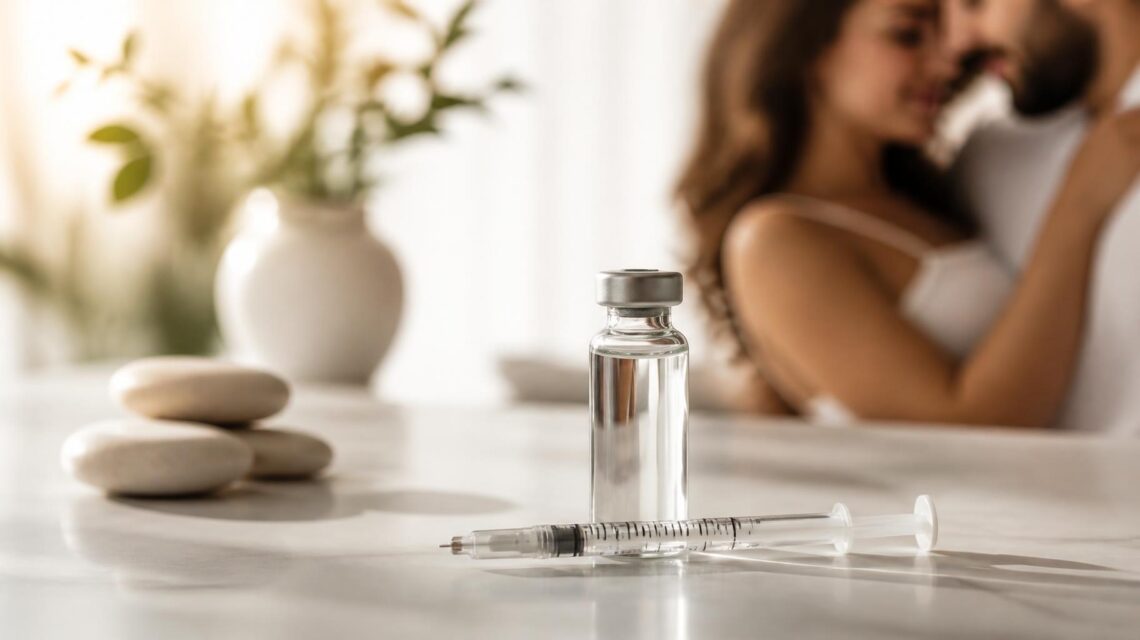
Approved bremelanotide is administered as a subcutaneous injection, meaning it is injected under the skin. The injection is generally used as needed before anticipated sexual activity rather than taken every day. Patients should follow the exact instructions provided by their prescriber and use only the prescribed dose.
According to prescribing information, the medication should not be used more than once within a 24-hour period or more than eight times per month. If there is no improvement in sexual desire or related distress after a defined trial period, a healthcare professional may recommend discontinuing treatment.
PT-141 should not be purchased from unverified websites or used without medical supervision. Online products labeled as research chemicals or compounded peptides may differ in strength, purity, sterility and labeling. The safety and effectiveness of these products may not be established.
Potential Side Effects of PT-141
Like all medications, PT-141 can cause side effects. Nausea is among the most commonly reported reactions and may be significant for some users. Other possible side effects include:
- Flushing or a sensation of warmth
- Headache
- Vomiting
- Fatigue
- Dizziness
- Injection-site reactions
- Temporary increases in blood pressure
- Darkening of the gums or certain areas of the skin
Some effects may appear shortly after administration and improve over time. However, a person should contact a healthcare professional if side effects are severe, persistent or concerning. Emergency medical help is appropriate for symptoms such as chest pain, severe shortness of breath, fainting or signs of a serious allergic reaction.
Important Safety Considerations
PT-141 is not suitable for everyone. People with uncontrolled high blood pressure or known cardiovascular disease may be advised not to use it because it can temporarily raise blood pressure and reduce heart rate. It should not be used by people with certain heart conditions or by those taking medications that may create an unsafe interaction.
Bremelanotide may also cause skin or gum pigmentation changes, particularly with frequent or prolonged use. Individuals with a history of conditions involving pigmentation should discuss this risk carefully with a clinician. The medication is not intended for use during pregnancy, and anyone who could become pregnant should follow professional guidance regarding contraception and pregnancy testing.
Alcohol may worsen dizziness or other side effects. Patients should understand how the medication affects them before driving, operating machinery or participating in activities requiring full alertness.
PT-141 Compared With Other Sexual Health Treatments
Different sexual concerns require different treatments. Medications for erectile dysfunction, for example, work mainly by improving blood flow and do not directly treat low sexual desire. Hormone therapy may be considered in selected cases involving hormonal changes, but it also requires careful evaluation and monitoring.
Other approaches may include changing a medication that affects libido, treating vaginal dryness or pain, improving sleep, managing stress, addressing depression or anxiety, and working with a qualified sex therapist. There is no single best treatment for every person, and a combined approach may offer the most meaningful improvement.
Questions to Ask a Healthcare Professional
Before discussing PT-141, it can be helpful to track when low desire began, whether it occurs in all situations and how it affects daily life or relationships. Consider asking:
- Could a medical condition or current medication be affecting my libido?
- Do my symptoms meet the criteria for HSDD?
- Is PT-141 appropriate given my blood pressure and cardiovascular history?
- What side effects should I monitor?
- How often should the medication be used?
- What alternatives may be safer or more suitable?
- How will we determine whether treatment is working?
The Bottom Line on PT-141 and Sexual Wellness
PT-141, or bremelanotide, may offer a prescription-based option for premenopausal women with acquired, generalized HSDD. Its potential benefit comes from acting on brain pathways associated with sexual desire rather than simply increasing genital blood flow. However, it is not a universal sexual enhancement medication and does not address every cause of low libido.
Because PT-141 can affect blood pressure, heart rate and skin pigmentation, it should be used only under the guidance of a qualified healthcare professional. A complete assessment is important for identifying underlying medical, emotional or relationship factors and for choosing the safest treatment plan. Sexual wellness is most effectively supported through informed medical care, open communication and an individualized approach.