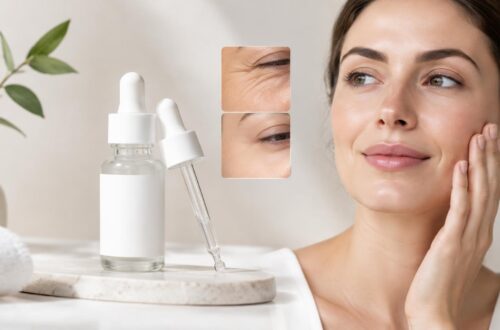
Peptides have become one of the most talked-about ingredients in modern skincare, and for good reason. As interest grows in longevity, healthy aging, and science-backed beauty, peptides are increasingly being recognized as a powerful tool for supporting firmer, smoother, and more resilient skin. Rather than offering a quick fix, peptides work by helping the skin perform better over time, making them especially appealing to anyone focused on long-term skin health.
In today’s skincare world, anti-aging is no longer just about softening the look of wrinkles. It is about preserving the skin barrier, encouraging repair, maintaining hydration, and supporting the natural processes that keep skin looking vibrant. Peptides fit neatly into this new approach because they are designed to communicate with the skin and help guide it toward healthier function.
What Are Peptides in Skincare?
Peptides are short chains of amino acids, which are the building blocks of proteins such as collagen, elastin, and keratin. These proteins are essential for maintaining the skin’s strength, elasticity, and smoothness. As we age, production of these proteins naturally slows down, contributing to fine lines, sagging, dryness, and loss of firmness.
When used in skincare, peptides act like messengers. They send signals that encourage the skin to carry out specific tasks, such as producing more collagen or improving repair processes. Because of this, peptides are often featured in products designed to target visible signs of aging and support overall skin longevity.
Unlike some harsh actives that can overwhelm sensitive skin, peptides are generally known for being gentle yet effective. This makes them a valuable addition to many routines, whether someone is just beginning preventive skincare or looking to enhance a more advanced anti-aging regimen.
Why Peptides Matter for Longevity and Anti-Aging
The concept of skin longevity goes beyond treating existing concerns. It focuses on helping the skin remain healthier for longer by supporting the underlying structures and systems that keep it functioning well. Peptides align with this philosophy because they help reinforce what the skin gradually loses with age.
As the skin experiences stress from UV exposure, pollution, lack of sleep, and the natural aging process, its ability to repair itself declines. Collagen breakdown speeds up, hydration levels may drop, and the skin barrier can weaken. Peptides help address these issues by supporting regeneration and resilience rather than masking damage.
Key anti-aging and longevity benefits of peptides include:
- Helping reduce the appearance of fine lines and wrinkles
- Supporting collagen production for firmer-looking skin
- Improving elasticity and bounce
- Strengthening the skin barrier
- Enhancing hydration retention
- Supporting recovery from daily environmental stressors
- Promoting a smoother and more refined skin texture
This makes peptides ideal for people who want a balanced, long-term strategy rather than relying solely on aggressive resurfacing or temporary cosmetic effects.
How Peptides Work on the Skin
One of the reasons peptides are so respected in skincare science is their ability to communicate with skin cells. Different peptides perform different functions, but many are designed to mimic natural biological signals. In simple terms, they tell the skin what it needs to do more effectively.
Signal Peptides
Signal peptides are among the most popular in anti-aging skincare. Their role is to encourage the skin to produce more collagen, elastin, and other supportive proteins. Since collagen loss is one of the main drivers of visible aging, signal peptides are often included in serums and creams designed to restore firmness and reduce wrinkles.
Carrier Peptides
Carrier peptides help deliver trace elements, such as copper, to the skin. These elements are important in wound healing and enzymatic processes related to skin repair. Products with carrier peptides are often used to support regeneration and improve skin vitality.
Neurotransmitter-Inhibiting Peptides
Sometimes nicknamed wrinkle-relaxing peptides, these ingredients are formulated to soften the appearance of expression lines by affecting the way facial tension contributes to repeated creasing. While they do not work like in-office injectables, they may help reduce the visibility of dynamic lines over time.
Enzyme-Inhibiting Peptides
These peptides work by helping slow the processes that break down collagen and other structural components in the skin. By preserving what the skin already has, they contribute to a more youthful and supported appearance.
The Link Between Peptides and Collagen Support
Collagen is often central to discussions about anti-aging because it gives skin its plumpness and structure. Beginning in early adulthood, collagen production starts to decline, and this gradual loss becomes more visible over time. Fine lines deepen, skin may appear thinner, and facial contours can soften.
Peptides are important because they help stimulate the pathways involved in collagen maintenance. This does not mean overnight transformation, but with consistent use, peptide-based products may help the skin appear firmer, smoother, and better supported.
For those focused on longevity, this collagen support matters. Healthier collagen levels can contribute to skin that not only looks younger but also functions better, recovering more efficiently from environmental wear and daily stress.
Peptides and the Skin Barrier
Anti-aging skincare is no longer just about exfoliation and wrinkle reduction. A strong skin barrier is now recognized as a foundation for youthful-looking skin. When the barrier is compromised, skin can become dry, irritated, dull, and more vulnerable to external damage.
Peptides can play a role here too. By helping improve skin resilience and supporting repair, they may strengthen the barrier over time. This is especially valuable for people who use active ingredients like retinoids, acids, or vitamin C and need products that help keep the skin balanced.
A healthier barrier can also improve how skin holds moisture, which is essential for preventing the crepey, dehydrated look often associated with aging.
Who Should Use Peptides?
One of the best things about peptides is their versatility. They are suitable for a wide range of skin types and ages. Whether the goal is prevention, correction, or maintenance, peptide skincare can offer benefits without the intensity that some stronger ingredients bring.
Peptides may be especially helpful for:
- People noticing early signs of aging
- Those with mature skin seeking firmness and elasticity support
- Anyone with dry or dehydrated skin
- Individuals with sensitive skin who want a gentler anti-aging ingredient
- People looking to support skin recovery and barrier health
- Those interested in a longevity-focused skincare routine
Because peptides are usually well tolerated, they can often be used daily and layered into both simple and advanced skincare regimens.
How to Add Peptides to Your Skincare Routine
Peptides are commonly found in serums, moisturizers, eye creams, and treatment masks. The best product type often depends on your skin goals, but serums are a popular choice because they tend to deliver concentrated active ingredients in lightweight formulas.
To get the most from peptides, consistency is essential. Like many anti-aging ingredients, results build gradually over weeks and months rather than appearing instantly.
Basic Routine Placement
- Cleanser
- Toner or hydrating essence if used
- Peptide serum
- Moisturizer
- Sunscreen in the morning
Peptides pair well with many other skincare ingredients, including hyaluronic acid, ceramides, niacinamide, and in many cases retinoids. This makes them easy to incorporate into a routine aimed at both prevention and repair.
What to Look for in a Peptide Product
Not all peptide skincare products are the same. Formulation matters, and the overall quality of a product can influence how effective it is. Since peptides often work best as part of a broader support system, it is worth looking for formulas that include complementary ingredients.
When shopping for peptide skincare, consider the following:
- The type of peptides used and whether the brand specifies them
- Packaging that protects the formula from light and air
- Additional supportive ingredients like ceramides, antioxidants, and humectants
- A texture and format suitable for your skin type
- Fragrance-free options if you have sensitive skin
It is also wise to be realistic. Peptides are highly promising, but they are not miracle ingredients. Their strength lies in steady