

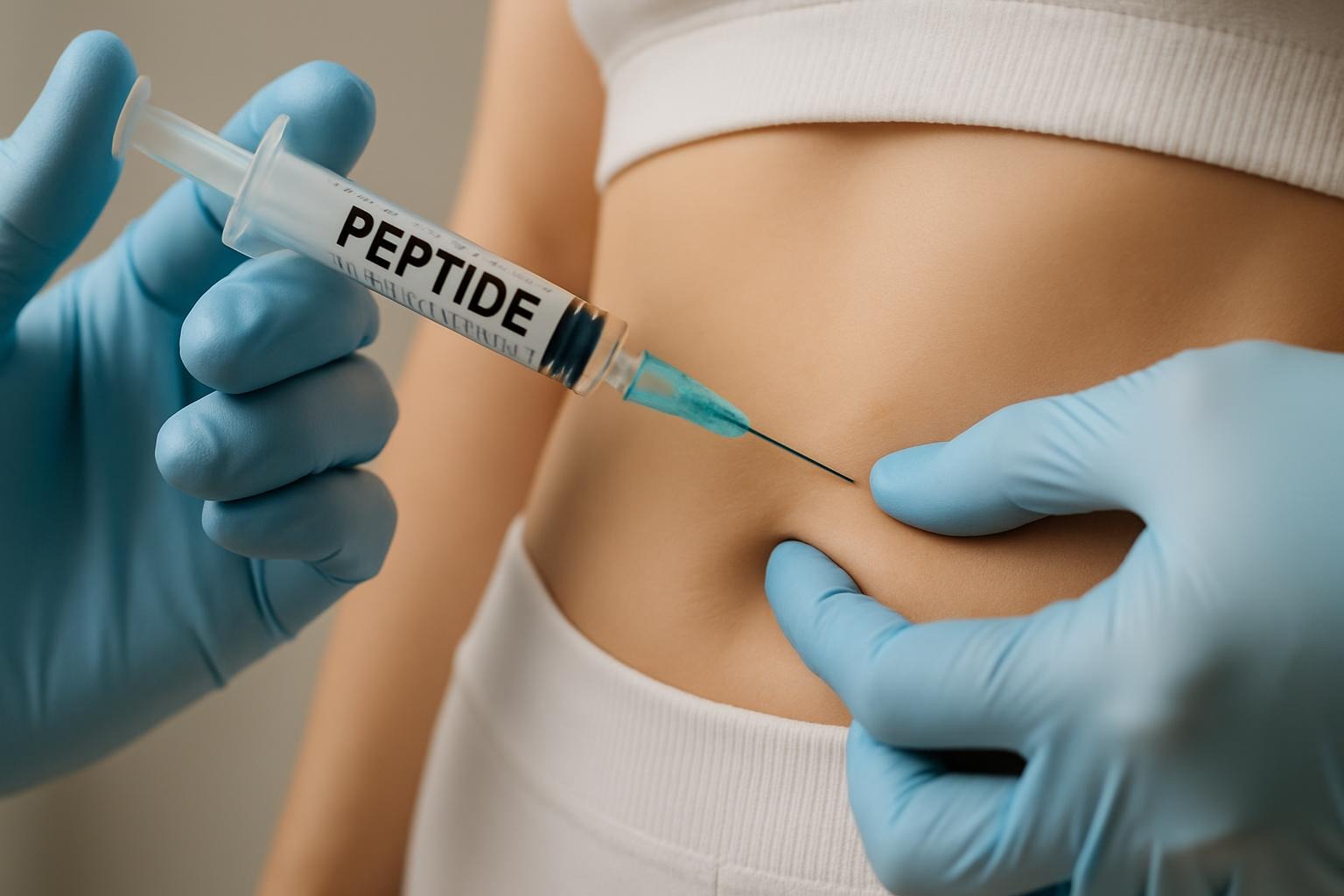
Understanding the Rising Trend of Peptide Injections
In recent months, **peptide injections** have been making headlines and trending across wellness communities, fitness spaces, and social media platforms. Promoted as cutting-edge treatments for everything from **anti-aging** and **muscle recovery** to **weight management**, peptides are being hailed by some as the next big breakthrough in personalized health. But alongside the buzz, medical professionals are voicing **strong cautions** about the unregulated use and potential risks of these compounds.
So, what exactly are peptides, why are they drawing so much attention, and what should individuals know before jumping into the trend?
What Are Peptides?
Peptides are **short chains of amino acids**, the same building blocks that make up proteins. In essence, they act as **signaling molecules** in the body, instructing cells to perform specific functions such as repairing tissue, regulating hormones, or producing collagen.
Depending on their composition, peptides can serve many roles, including:
- Anti-aging peptides that boost collagen production and improve skin elasticity.
- Metabolic peptides designed to influence fat metabolism and muscle growth.
- Therapeutic peptides used in medical research for diabetes, autoimmune disorders, and hormone regulation.
While the term ‘peptides’ might sound highly scientific, some of these compounds—like insulin or certain hormones—have been used safely in medical contexts for decades. The recent trend, however, comes from **over-the-counter or online peptide products** being marketed for cosmetic and fitness purposes.
Why Peptide Injections Are Gaining Popularity
Influencers and wellness gurus are spotlighting peptide injections as **quick fixes** to optimize physical health and appearance. This surge in popularity can be attributed to several factors:
- Social media influence – Platforms like TikTok and Instagram are filled with transformation stories and before-and-after photos that claim dramatic results from peptide use.
- Biohacking culture – As more people aim to ‘hack’ their biology for performance and longevity, peptides appear to offer an appealing, science-backed solution.
- Easy availability – Peptides are now widely purchasable online, often without prescriptions, marketed as research substances or wellness aids.
Some of the most trending peptides include **BPC-157** for recovery and tissue repair, **CJC-1295** and **Ipamorelin** for stimulating growth hormone, and **Melanotan II** for tanning enhancement. Yet the line between cosmetic use and legitimate medical application remains blurry.
The Science Behind Peptides: Promise and Potential
The interest in peptides isn’t unwarranted. Studies have shown that specific peptides can play a genuine role in **regenerative medicine** and **endocrine health**. Research indicates that targeted peptide therapies might help in:
- Supporting faster healing after injury or surgery.
- Enhancing muscle synthesis in aging adults.
- Improving skin health by stimulating collagen production.
- Assisting metabolic regulation and body composition management.
In clinical settings, peptide research is legitimate and evidence-driven. The concern arises when these peptides are self-administered without medical supervision or sourced from unverified suppliers.
Expert Warnings: The Risks Behind the Trend
Medical experts are increasingly raising **red flags** about the casual and often unsafe ways peptides are being used. Here are some of their key concerns:
1. Lack of Regulation and Quality Control
Most online peptide sellers operate outside of FDA regulation. Products labeled as “for research use only” are not meant for human consumption, yet are widely purchased for self-injection. Without oversight, users risk contaminants, improper dosages, or ingredients that are not what they claim to be.
As Dr. Emily Langford, an endocrinologist specializing in metabolic therapies, explains:
“The purity of peptides online is highly questionable. Mislabeling and contamination can lead to severe allergic or immune reactions.”
2. Potential Side Effects
Even medically approved peptides can cause side effects if used improperly. Common issues reported by self-users include:
- Fatigue and dizziness
- Water retention or bloating
- Joint pain or swelling
- Changes in appetite and metabolic rate
- Possible hormonal imbalances
There is also growing concern about **long-term effects** that remain unknown. Since many peptides function as hormone modulators, chronic or incorrect use might disrupt natural endocrine balance.
3. Risk of Infection
Injecting any substance carries an inherent risk, particularly when performed in non-sterile environments. Improper administration techniques can cause localized infections, tissue damage, or systemic reactions. Peptides are often sold without standardized instructions, leaving users to rely on online forums rather than licensed guidance.
4. Overhyped Marketing Claims
Many peptide products are sold with exaggerated promises—’age reversal,’ ‘fat melting,’ or ‘muscle sculpting’—that lack solid clinical backing. While preliminary research may show benefits, the claims circulating online often **outpace the scientific evidence**.
Peptides and the Role of Healthcare Guidance
For individuals intrigued by peptide therapies, the consensus among health professionals is clear: **consult a qualified medical provider** before starting any injectable regimen. Licensed clinicians can:
- Evaluate whether peptide therapy is suitable based on individual health conditions.
- Prescribe regulated formulations from certified pharmacies.
- Monitor hormone and blood marker responses to prevent complications.
Medical-grade peptides are available through **compounding pharmacies** that operate under strict quality standards. These differ significantly from unverified online sellers or wellness clinics offering generic peptide stacks with little oversight.
Peptides in Sports and Fitness: A Legal and Ethical Gray Area
Peptides have also entered the athletic world, where they are often advertised as performance enhancers. However, many are listed as **prohibited substances** by organizations such as the **World Anti-Doping Agency (WADA)**.
Athletes using certain peptides risk not only their health but also **career sanctions** if caught with banned compounds. Moreover, peptide misuse under the guise of ‘natural performance support’ blurs the line between legitimate supplementation and doping.
Comparing Peptides to Conventional Treatments
While peptides might appear as modern and efficient biohacks, traditional treatments and lifestyle interventions still hold significant advantages:
- Balanced nutrition and resistance training remain the gold standard for muscle building and recovery.
- Dermatological procedures and retinoids backed by decades of safety data outperform many peptide creams or injections for skin rejuvenation.
- Medically approved hormone therapies are more predictable and customizable compared to unregulated peptide mixtures.
Peptides may complement conventional care under proper medical supervision, but they should never replace established, evidence-based approaches.
What the Future Holds for Peptide Therapy
The future for peptides in medicine is promising. Pharmaceutical research continues to explore tailored peptide molecules for **arthritis**, **autoimmune diseases**, and **metabolic disorders**. Their targeted mechanism of action makes them an exciting avenue for drug development.
However, as experts emphasize, innovation should not be confused with unproven consumer trends. Until regulatory frameworks and clinical testing catch up, it is best to approach peptide injections with **caution, education, and medical oversight**.
Key Takeaways: What You Should Know Before Considering Peptides
- Not all peptides are created equal. Choose medically verified sources when available.
- Consult a licensed professional before trying any injectable or peptide supplement.
- Beware of marketing hype. Claims that sound too good to be true often are.
- Understand the risks, including infection, side effects, and hormonal disruption.
- Prioritize evidence-based wellness, focusing on diet, exercise, and sleep as foundational tools.
Final Thoughts
Peptide injections occupy a fascinating intersection between **innovative science** and **modern wellness culture**. While they carry legitimate therapeutic potential, the rapid trend around their use in beauty and fitness circles has outpaced medical regulation.
As experts continue to research and refine peptide therapies, consumers must remain **critical and cautious**. Sustainable health results rarely come from quick fixes. The best outcomes arise from informed decisions, professional guidance, and a commitment to long-term wellness rather than momentary trends.