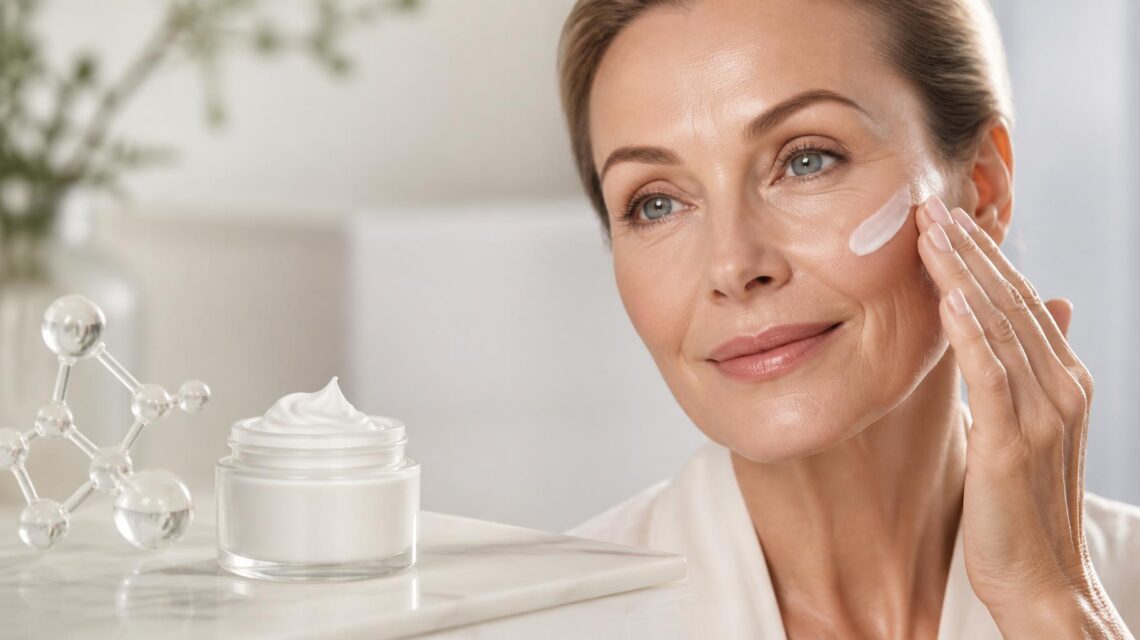
Fine lines around the lips, crinkling under the eyes, and delicate creases across the cheeks are often some of the hardest signs of aging to treat. While injectable neurotoxins have become a go-to solution for softening expression lines, they do not always work well in every area of the face. That is why growing attention is being placed on advanced skincare formulas designed to target the wrinkles Botox cannot easily reach. One of the most talked-about innovations is peptide cream, a topical treatment formulated to help smooth, firm, and visibly refine the skin.
As consumers continue to search for non-invasive anti-aging options, peptide-based creams are emerging as a powerful part of the conversation. They promise a more approachable, daily-use alternative for people who want visible results without needles, downtime, or the limitations of injectables in delicate facial zones.
Why Some Wrinkles Are Difficult to Treat with Botox
Botox is highly effective for dynamic wrinkles, especially those caused by repetitive muscle movement such as crow’s feet, frown lines, and forehead creases. However, not every wrinkle is an ideal candidate for this kind of treatment. Certain areas of the face require precise movement for speaking, smiling, or blinking, making over-relaxation undesirable.
For example, wrinkles around the mouth, lower cheeks, and some under-eye lines can be more challenging to address with injectables alone. In these regions, too much muscle relaxation may affect natural facial expression. That is why dermatologists and skincare experts often recommend pairing professional treatments with targeted topical products that can improve skin texture and support collagen production.
This is where peptide creams stand out. Rather than freezing movement, they work by helping the skin appear stronger, smoother, and more resilient over time.
What Are Peptides in Skincare?
Peptides are short chains of amino acids, which are the building blocks of proteins such as collagen and elastin. These proteins are responsible for keeping skin firm, plump, and youthful-looking. As we age, natural collagen production slows down, and the skin begins to lose elasticity. This can lead to sagging, dryness, and deeper visible lines.
In skincare, peptides are used to send signals to the skin that encourage repair and renewal. Depending on the type of peptide, they may help stimulate collagen synthesis, strengthen the skin barrier, improve hydration, or soften the appearance of expression lines.
The appeal of peptide creams lies in their multifunctional role. Instead of offering a single effect, many peptide-rich formulas are designed to support the skin in several ways at once, making them a valuable tool in any anti-aging skincare routine.
Key Benefits of Peptide Creams
- Support collagen production to improve firmness and elasticity
- Reduce the appearance of fine lines and surface wrinkles
- Boost hydration for smoother, plumper skin
- Strengthen the skin barrier to defend against environmental stressors
- Improve texture and create a more refined, even finish
How Peptide Creams Help Smooth Wrinkles Botox Cannot Reach
The biggest advantage of a peptide cream is that it can be applied exactly where the skin needs support, including delicate or highly expressive zones. Instead of altering muscle function, these creams improve the condition of the skin itself. That makes them especially useful for areas where wrinkles are caused by both repeated movement and age-related thinning of the skin.
Around the lips, for instance, so-called smoker’s lines or lipstick lines often form due to collagen loss combined with repetitive pursing motions. In this area, a peptide cream may help soften the appearance of vertical creases by improving skin density and hydration. Similarly, under-eye wrinkles often develop because the skin there is extremely thin and more prone to dehydration. A carefully formulated peptide treatment can help make these lines appear less pronounced.
Cheek creases and lower-face lines can also benefit from ingredients that strengthen the skin matrix. While a cream will not provide the immediate, dramatic effect of an injection, consistent use can lead to a gradual but meaningful improvement in overall smoothness and firmness.
The Science Behind Their Growing Popularity
The rise of peptide creams reflects a broader shift in beauty and skincare. More consumers are looking for science-backed, non-invasive solutions that fit into a long-term skin health strategy. Rather than relying on a single treatment, many people now take a layered approach that combines professional procedures with high-performance at-home products.
Peptides have become especially popular because they are generally well tolerated and compatible with a wide range of skin types. Unlike some stronger anti-aging ingredients that may cause peeling or irritation, peptide creams are often suitable for daily use. This makes them appealing for people with sensitive skin or those who want to maintain results between office visits.
In many modern formulas, peptides are combined with other beneficial ingredients such as hyaluronic acid, niacinamide, ceramides, and antioxidants. This combination approach can amplify results by hydrating, calming, and protecting the skin while also targeting visible signs of aging.
Ingredients Often Paired with Peptides
- Hyaluronic acid for moisture retention and surface plumping
- Niacinamide to brighten and improve barrier function
- Ceramides to reinforce the skin’s protective layer
- Antioxidants to help fight free radical damage
- Growth-factor inspired compounds for skin renewal support
What Results Can You Realistically Expect?
It is important to have realistic expectations when using any topical anti-aging product. A peptide cream is not a direct replacement for Botox, fillers, or in-office laser treatments. However, it can still deliver visible improvements, especially when used consistently over several weeks or months.
Most users can expect benefits such as softer-looking fine lines, improved hydration, smoother texture, and skin that feels firmer or more supple. The most dramatic changes are often seen in early signs of aging or in areas where crepey, dehydrated skin is making wrinkles appear more obvious.
Because skincare works cumulatively, daily application is key. Results are typically gradual, which can actually be a benefit for those who want a natural-looking improvement rather than a sudden change in facial appearance.
How to Use Peptide Cream in an Anti-Aging Routine
To get the most from a peptide cream, proper application matters. Start with clean skin and apply the product after lighter serums but before sunscreen during the day. At night, it can be used as one of the final treatment steps to seal in moisture and support overnight repair.
For people using active ingredients such as retinol or exfoliating acids, a peptide cream can also help maintain hydration and support the skin barrier. In many cases, it serves as a balancing step that reduces the likelihood of dryness and irritation.
Simple Tips for Best Results
- Apply consistently once or twice daily
- Focus on wrinkle-prone areas such as around the mouth and eyes
- Use sunscreen every morning to protect collagen from UV damage
- Pair with a gentle cleanser and hydrating serum
- Be patient and assess results after at least 6 to 12 weeks
Who Should Try a Peptide Cream?
Peptide creams are ideal for a wide range of people, from those noticing their first fine lines to individuals who already receive professional cosmetic treatments and want additional support at home. They are especially useful for anyone concerned about:
- Fine lines in delicate facial areas
- Crepey or thinning skin
- Dryness that exaggerates wrinkles
- Loss of firmness or bounce
- Maintaining smoother-looking skin without invasive procedures
They can also be a strong option for those who are not ready for injectables, prefer a topical route, or want a preventative anti-aging product that fits easily into a daily regimen.
Peptide Cream vs Botox: Complementary, Not Competitive
It is tempting to compare peptide cream and Botox as if they serve the exact same purpose, but in reality, they work in very different ways. Botox targets muscle movement to reduce dynamic wrinkles. Peptide cream supports the skin’s structure to improve the look of fine lines and texture. For many people, the best strategy may involve both.
Used together, these approaches can complement each other. Botox may relax the deeper expression lines in the upper face, while peptide cream can improve skin quality in the more delicate regions where topical care is especially valuable. This combined method reflects the modern trend toward personalized anti-aging routines that address multiple causes of wrinkles at once.
Final Thoughts
The growing attention around peptide cream highlights an important truth in skincare: not every wrinkle needs the same solution. Some lines respond well to injectables, while others