
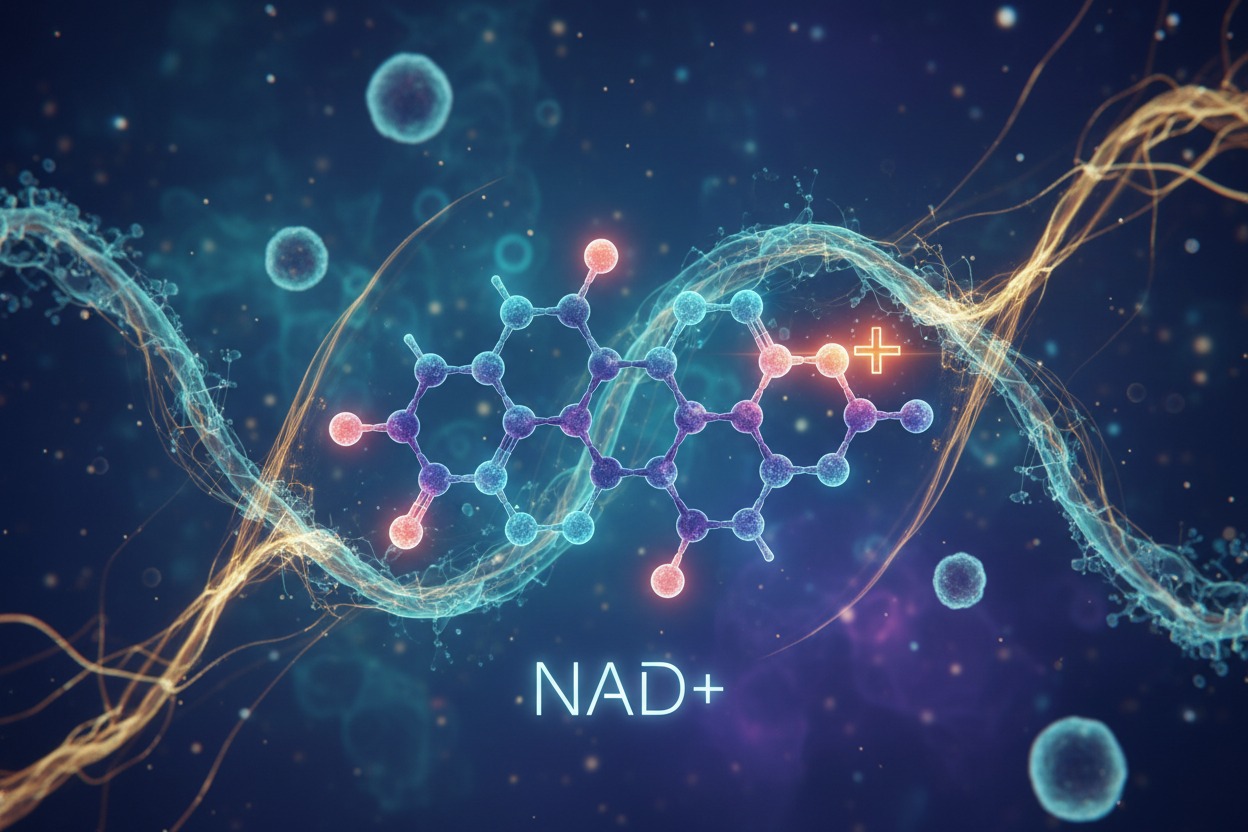
In recent years, NAD+ (nicotinamide adenine dinucleotide) has become one of the most talked‑about molecules in the world of health optimization and anti-aging therapies. By 2026, the conversation has moved beyond whether NAD+ is beneficial — it’s now about which delivery method works best. From injectable NAD+ therapy to over-the-counter supplements and advanced peptide combinations, consumers have more choices than ever before.
This guide breaks down the key differences between NAD+ injections, oral supplements, and peptide alternatives so you can make an informed decision about what fits your personal health goals, lifestyle, and budget.
What Exactly Is NAD+?
NAD+ is a critical coenzyme found in every cell of the body. It plays a central role in:
- Energy metabolism – helping convert nutrients into usable cellular energy (ATP).
- Repairing DNA – supporting the body’s natural repair mechanisms against oxidative stress.
- Cellular communication – assisting signaling pathways between cells and mitochondria.
- Regulating aging processes – influencing sirtuin activation, which is linked to longevity.
Unfortunately, our NAD+ levels naturally decline with age, poor diet, stress, and environmental toxins — leading to fatigue, cognitive decline, and slower recovery. This decline has fueled a booming wellness market focused on replenishing NAD+ levels.
Types of NAD+ Therapy Available in 2026
1. NAD+ Injections
Injectable NAD+ is a therapeutic approach typically administered intramuscularly or intravenously in wellness clinics. It delivers NAD+ directly into the bloodstream, bypassing digestion and ensuring immediate cellular uptake.
- Absorption: Nearly 100% bioavailability since it avoids the digestive tract.
- Speed: Users often report measurable benefits in hours or days.
- Applications: Popular for anti-aging, mental clarity, athletic performance, and post-addiction recovery therapies.
Advantages:
- Rapid and potent effects on energy and focus.
- Effective for individuals with poor nutrient absorption.
- Can be tailored to personalized protocols by licensed clinicians.
Drawbacks:
- Higher cost — treatments can range from $200–$800 per session.
- Requires trained administration, often in a clinical setting.
- Temporary discomfort or flushing may occur during or after treatment.
2. NAD+ Supplements
NAD+ supplements are available as capsules, powders, or sublingual tablets. They typically contain NAD+ precursors such as NR (nicotinamide riboside) or NMN (nicotinamide mononucleotide), which the body converts to NAD+ internally.
Popular forms include:
- NR (Nicotinamide Riboside)
- NMN (Nicotinamide Mononucleotide)
- Niacinamide and Nicotinic Acid
Advantages:
- Convenient and non-invasive — ideal for everyday use.
- Lower cost compared to injections, generally $40–$100 monthly.
- Good for long-term maintenance rather than rapid correction.
Drawbacks:
- Bioavailability varies; only a fraction may reach the bloodstream.
- Effects may take weeks or months to notice consistently.
- Quality differs widely across brands — purity testing is crucial.
3. NAD+ Peptides
Peptides related to NAD+ optimization have become the newest frontier in cellular regeneration. These short chains of amino acids target mitochondrial function and signaling pathways that influence how the body produces and utilizes NAD+.
Two commonly discussed peptide classes are:
- NAD+ Activator Peptides – Stimulate internal enzymes like sirtuins.
- Mitochondrial Support Peptides – Promote ATP production and cellular resilience.
Advantages:
- Customizable — peptides can be designed for specific cellular functions.
- Often used in synergy with NAD+ or NMN for enhanced results.
- Potential benefits for brain function, recovery, and metabolic health.
Drawbacks:
- Still a developing field — fewer long-term clinical studies as of 2026.
- Requires precision dosing and medical oversight.
- Costs can vary from moderate to high depending on formulation.
Comparing NAD+ Injections, Supplements, and Peptides
The right choice depends largely on your health goals, budget, and how quickly you want to experience results.
| Feature | NAD+ Injections | NAD+ Supplements | NAD+ Peptides |
|---|---|---|---|
| Absorption Rate | High (direct bloodstream) | Moderate to low | Medium-high (depends on delivery) |
| Speed of Results | Fast | Gradual | Moderate |
| Convenience | Clinic visit required | Easy home use | Varies; often self-administered injections |
| Cost | High | Low to moderate | Moderate to high |
| Duration of Effects | 1–4 weeks | Ongoing with consistent use | Weeks to months depending on cycle |
Who Should Consider NAD+ Injections?
NAD+ injections are best suited for individuals seeking immediate or intensive restoration. Typical candidates include:
- Executives and high performers – battling brain fog or burnout.
- Athletes – needing faster recovery and resilience.
- Individuals recovering from substance dependence – where NAD+ therapy supports neural rejuvenation.
- Biohackers – experimenting with advanced longevity protocols.
Because injections provide a high and direct dose, they often serve as a “reset” before transitioning to maintenance via supplements or peptides.
Key Considerations When Buying NAD+ Supplements in 2026
As the supplement market expands, quality control remains one of the biggest challenges. To ensure efficacy and safety:
- Look for third-party tested products with clear certificates of analysis (CoA).
- Avoid brands making exaggerated claims such as “instant anti-aging.”
- Combine supplements with a balanced lifestyle: consistent sleep, exercise, and nutrient-rich diet amplify NAD+ effects.
- Opt for stabilized forms of NMN or NR — the latest technology prevents molecular degradation.
NAD+ Peptides: The Next Generation of Longevity Science
By 2026, peptide science continues to evolve, offering customizable interventions targeting individual gene expression and mitochondrial efficiency. For those familiar with basic supplementation, peptides represent an upgrade into precision wellness.
When combined with NAD+ boosting routines, peptides may:
- Enhance endurance and recovery.
- Improve sleep cycles by supporting circadian rhythm regulation.
- Increase neuroprotection and cognitive performance.
- Support skin and tissue repair.
However, because peptide therapy requires guidance on dosing cycles and possible stacking with complementary agents, consulting a medical professional remains essential.
Safety and Regulation Updates (2026)
The growing demand for NAD+ therapies has prompted tighter regulation across international markets. A few updates include:
- Standardization of clinical protocols for IV and IM administration.
- Enhanced labeling laws for NAD+ precursors like NMN in the U.S., EU, and Japan.
- Greater transparency requirements from compounding pharmacies.
Consumers should verify sources and certifications. Products purchased from unverified online vendors can be improperly stored or contaminated.
Combining Therapies: The Hybrid Approach
Many wellness experts now recommend a hybrid model: starting with an intensive injection series to rapidly elevate NAD+ levels, followed by maintenance using supplements or peptides. This method aims to sustain cellular health over the long term while keeping costs manageable.
Example Hybrid Plan:
- Months 1–2: Weekly NAD+ injections