What Is Melanotan II?
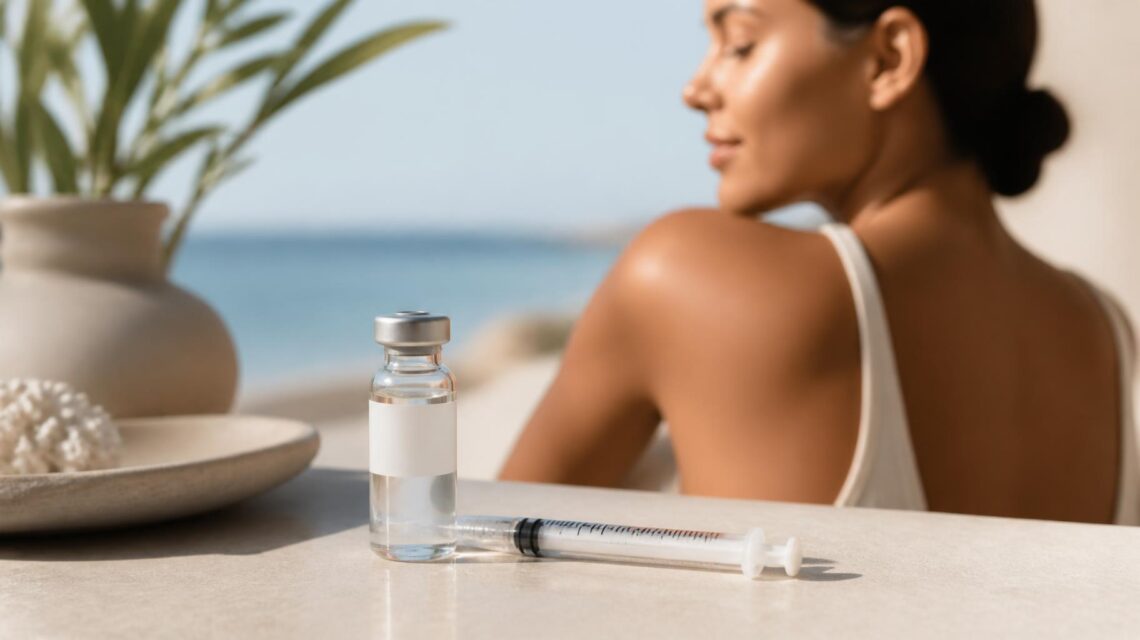
Melanotan II is a synthetic peptide developed to imitate some of the effects of alpha-melanocyte-stimulating hormone, a natural hormone involved in skin pigmentation. It is often promoted online as a way to develop a tan without spending as much time in the sun or using tanning beds. Some products are also marketed for appetite control, sexual function, or other cosmetic purposes.
Despite these claims, Melanotan II is not an approved tanning medicine in the United States, United Kingdom, Australia, or many other countries. Products sold through websites, social media, gyms, or informal suppliers may not have been tested for quality, purity, strength, or safety. The contents of a product may differ from its label, and injectable versions carry additional risks related to contamination and improper use.
Interest in Melanotan II has grown because it appears to stimulate melanin production, the pigment that gives skin its color. However, producing more pigment does not make the skin immune to ultraviolet damage. Understanding the potential benefits, limitations, and health concerns is essential before considering this unapproved compound.
How Melanotan II May Affect Skin Pigmentation
Melanotan II is designed to activate melanocortin receptors in the body. In the skin, this activity may encourage melanocytes, which are pigment-producing cells, to create more melanin. As a result, some users report a darker complexion developing over days or weeks.
The response can vary considerably. Skin tone, genetics, dosage, product concentration, and exposure to sunlight may all affect the outcome. Some people may notice an overall darkening of the skin, while others may develop uneven pigmentation, darker freckles, or more prominent moles.
It is important to distinguish cosmetic darkening from protection. A tan is a biological response to ultraviolet exposure or changes in melanin production; it is not a guarantee that the skin is safe from sunburn, premature aging, or skin cancer. Even a naturally occurring tan offers only limited protection against ultraviolet radiation.
Potential Benefits Promoted by Users
Melanotan II is usually discussed in connection with cosmetic tanning. People who use or promote it may claim that it can provide a deeper tan with less sun exposure, help maintain color, or reduce the time needed to achieve a darker appearance. These claims are based largely on anecdotal reports and informal marketing rather than high-quality clinical evidence.
A darker appearance
The most commonly reported effect is increased pigmentation. For people who tan slowly or burn easily, the idea of achieving a darker appearance without prolonged outdoor exposure can seem appealing. However, results are unpredictable, and the color may not look even or natural.
Possible reduction in sun exposure
Some marketing suggests that Melanotan II could reduce the need for tanning beds or intentional sunbathing. Avoiding tanning beds and limiting ultraviolet exposure is beneficial, but using an unapproved peptide is not a proven or reliable way to do so. A person may still seek sunlight to intensify the color, potentially increasing rather than reducing ultraviolet exposure.
Other claimed effects
Melanotan II is sometimes promoted for effects involving libido, erectile function, appetite, or body composition. These uses are not established as safe or effective treatments. Reports of benefits often come from personal testimonials, which cannot establish whether the compound caused an effect or whether the result was influenced by other factors.
Safety Concerns and Possible Side Effects
Because Melanotan II is not an approved medicine for tanning, its full safety profile is not known. Available reports and regulatory warnings have identified a range of possible adverse effects. Reactions may depend on the dose, route of administration, the contents of the product, and an individual’s health history.
- Nausea, vomiting, or reduced appetite
- Flushing, dizziness, headache, or fatigue
- Temporary increases in blood pressure
- Changes in sexual function or spontaneous erections
- Darkening of freckles, moles, scars, or other areas of pigmentation
- New or unusual skin spots that may require medical assessment
- Allergic reactions or injection-site irritation
- Infection or tissue injury from contaminated or incorrectly administered injections
One of the most concerning issues is the appearance or darkening of moles and other pigmented lesions. A change in a mole does not necessarily mean cancer, but new or changing pigmentation should be evaluated by a qualified healthcare professional. Melanotan II may make it more difficult to notice important changes early.
Products purchased online may also contain unknown ingredients, incorrect concentrations, or harmful contaminants. Powder sold for mixing may not be sterile, and instructions supplied by unofficial sellers are not a substitute for medical guidance. Sharing needles or using poor injection technique can increase the risk of serious infections, including blood-borne diseases.
Does Melanotan II Protect Against Sunburn?
No. Melanotan II should not be considered a substitute for sunscreen, protective clothing, shade, or other sun-safety measures. Even if the skin becomes darker, ultraviolet A and ultraviolet B radiation can still damage skin cells. This damage can contribute to sunburn, wrinkles, loss of elasticity, uneven pigmentation, eye problems, and skin cancers such as melanoma.
Using Melanotan II alongside tanning beds is particularly concerning. Tanning beds expose the skin to concentrated ultraviolet radiation and are associated with increased skin cancer risk. A darker appearance does not cancel out this risk or make indoor tanning safe.
Who Should Avoid Melanotan II?
Because the product is unapproved and may have unpredictable effects, people should not use Melanotan II without discussing the issue with a qualified healthcare professional. Extra caution is important for anyone with a history of skin cancer, atypical moles, significant sun sensitivity, uncontrolled high blood pressure, heart disease, kidney or liver problems, or conditions requiring regular medication.
Pregnant or breastfeeding individuals should avoid unapproved cosmetic peptides unless specifically advised otherwise by a medical professional. The safety of Melanotan II during pregnancy and breastfeeding has not been established. It should also not be given to children or teenagers for cosmetic tanning.
If someone has already used Melanotan II, they should seek medical advice if they experience severe nausea, chest pain, fainting, persistent headaches, vision changes, breathing difficulties, signs of infection, or a prolonged and painful erection. A healthcare professional can also examine new or changing moles and advise on appropriate monitoring.
Safer Alternatives for a Tanned Appearance
For people who want the look of a tan without ultraviolet exposure or unapproved injections, topical self-tanning products are generally a safer option when used as directed. Lotions, mousses, sprays, and creams containing dihydroxyacetone can temporarily darken the outer layer of the skin without stimulating melanin production.
Tips for using self-tanner safely
- Patch-test the product before applying it widely.
- Apply it to clean, dry skin and wash hands thoroughly afterward.
- Use gloves or an applicator mitt to help prevent stained palms.
- Follow the product instructions and avoid inhaling spray formulations.
- Keep self-tanner away from the eyes, lips, and broken skin.
- Continue using broad-spectrum sunscreen because self-tanner does not provide reliable ultraviolet protection.
Gradual tanning lotions can create a more subtle result, while professional spray tanning may provide more even coverage. These options do not eliminate the possibility of skin irritation or allergic reactions, but they avoid the unknown ingredients and injection-related hazards associated with unregulated Melanotan II products.
Sun Protection Still Matters
Whether or not a person uses a cosmetic tanning product, daily sun protection remains important. Choose a broad-spectrum sunscreen with an SPF of 30 or higher, apply enough to cover exposed skin, and reapply after swimming, sweating, or extended outdoor activity. Wearing a wide-brimmed hat, sunglasses, and tightly woven clothing can provide additional protection.
Try to limit direct sun exposure during the strongest part of the day and avoid intentional tanning. Regularly checking the skin can also help identify changes early. Pay attention to the ABCDE warning signs of melanoma: asymmetry, border irregularity, uneven color, diameter changes, and evolution over time.
What to Know Before Considering Melanotan II
Melanotan II may produce darker pigmentation, but the potential cosmetic benefit must be weighed against substantial uncertainty. It is not an approved tanning treatment, it does not protect the skin from ultraviolet radiation, and products obtained outside regulated medical channels may be contaminated or incorrectly labeled.
The safest approach is to avoid unapproved tanning injections and discuss appearance-related concerns with a dermatologist or other qualified healthcare professional. If a temporary tan is desired, topical self-tanners offer a more established alternative. Most importantly, any new or changing mole, unusual skin mark, or persistent side effect should be assessed promptly.