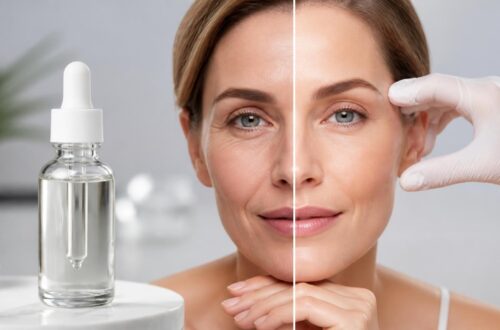
KPV peptide is attracting attention in conversations about gut health, skin wellness, inflammation, and peptide research. This small peptide is derived from alpha-melanocyte-stimulating hormone, commonly known as alpha-MSH, and consists of three amino acids: lysine, proline, and valine. Early laboratory and animal research suggests that KPV may influence inflammatory pathways, which has led to interest in its possible applications for digestive and skin-related concerns.
However, KPV remains an investigational peptide. It is not an approved treatment for inflammatory bowel disease, eczema, acne, rosacea, or any other medical condition. Human evidence is limited, and products sold online may not have been evaluated for purity, strength, sterility, or safety. Understanding what researchers know, and what remains uncertain, is essential before considering KPV for gut or skin wellness.
What Is KPV Peptide?
KPV is the shortened terminal sequence of alpha-MSH. Alpha-MSH is a naturally occurring hormone involved in several biological processes, including pigmentation, immune regulation, and inflammation. Researchers have studied whether the smaller KPV fragment can retain some of the anti-inflammatory activity associated with the parent molecule.
Unlike a traditional supplement, KPV is a peptide made from amino acids. Its effects may depend on how it interacts with cells, immune signals, and inflammatory pathways. Laboratory studies have explored KPV in different forms, including oral, topical, and injectable preparations. These research formats should not be confused with a standardized, clinically validated product for consumer use.
Interest in KPV has grown because inflammation is involved in many common digestive and skin conditions. Still, a biological effect in a laboratory model does not automatically mean that the peptide will provide the same benefit in people.
KPV and Gut Wellness
The digestive tract contains a complex immune system that must balance protection against harmful organisms with tolerance of food and beneficial bacteria. When this balance is disrupted, inflammatory signals may contribute to symptoms such as abdominal discomfort, altered bowel habits, and intestinal irritation.
Preclinical research has examined whether KPV may help moderate certain inflammatory responses in the gastrointestinal tract. Some studies suggest that KPV may interact with pathways involved in the production of inflammatory cytokines. Cytokines are signaling proteins that help coordinate immune activity. When produced in excessive amounts, they can contribute to ongoing inflammation.
Research has also explored KPV in models of intestinal inflammation and changes to the gut barrier. The gut barrier is a protective lining that helps regulate what passes from the digestive tract into the bloodstream. A healthy barrier supports normal digestion and immune function, while disruption may increase exposure to irritants and inflammatory triggers.
Potential areas of interest include:
- Regulation of inflammatory signaling in intestinal tissues
- Support for a balanced gut immune response
- Protection of intestinal barrier function in experimental models
- Possible effects on irritation associated with inflammatory conditions
These findings are promising but preliminary. Animal studies cannot establish the appropriate human dose, long-term safety, or effectiveness of KPV for conditions such as Crohn disease, ulcerative colitis, irritable bowel syndrome, or leaky gut. Digestive symptoms can also result from infections, food intolerances, medication effects, or serious diseases, so self-treating with an unapproved peptide could delay proper diagnosis.
Could KPV Support Skin Wellness?
Inflammation also plays a role in many skin concerns, including redness, sensitivity, acne, eczema, and irritation caused by environmental stress. Because KPV has been investigated for its possible anti-inflammatory activity, researchers are interested in whether it could have topical skin applications.
Laboratory research suggests that KPV may influence inflammatory processes in skin cells. It has also been discussed in relation to the activity of immune cells that contribute to redness and tissue irritation. These properties have prompted interest in KPV as a possible ingredient for future skincare formulations.
In theory, a topical KPV product might be studied for supporting:
- A calmer appearance in visibly irritated skin
- Skin barrier comfort and resilience
- Inflammation associated with environmental stress
- Recovery after minor, non-serious irritation
It is important to distinguish research interest from proven skincare benefits. There are currently limited high-quality human clinical trials demonstrating that KPV creams, serums, or other topical products are safe and effective for specific dermatological conditions. A product described as containing KPV may also include preservatives, solvents, or other active ingredients that affect how the skin responds.
How KPV May Work
The exact mechanism of KPV is still being studied. Researchers believe its potential activity may involve the regulation of inflammatory pathways rather than broad suppression of the immune system. This distinction is important because a balanced immune response is necessary for wound healing and protection against infection.
KPV may also be relevant to pathways associated with oxidative stress and tissue irritation. Oxidative stress occurs when reactive molecules overwhelm the body’s natural protective systems. In laboratory settings, reducing inflammatory and oxidative signals may help cells function under stress. Whether these effects translate into noticeable improvements in human gut or skin health remains unknown.
The way KPV is administered may also influence its activity. Peptides can be broken down by digestive enzymes, and absorption may vary depending on the formulation. Topical delivery may be affected by the skin barrier, while injections carry additional concerns related to sterility, dosing, and administration technique.
What Does the Evidence Show?
The current evidence for KPV comes largely from laboratory experiments, cell studies, and animal models. These types of research are useful for identifying possible mechanisms and deciding whether a treatment deserves further investigation. They do not provide the same level of certainty as well-designed human clinical trials.
At present, important questions remain unanswered:
- What dose, if any, is appropriate for people?
- Which delivery method provides consistent absorption?
- How long could KPV be used safely?
- Could KPV interact with medications or existing treatments?
- Does KPV improve meaningful symptoms or clinical outcomes in humans?
- What risks may occur with repeated or long-term use?
Without reliable answers, KPV should not be viewed as a replacement for evidence-based treatments prescribed by a qualified healthcare professional. This is particularly important for inflammatory bowel disease and chronic skin conditions, where delaying care may allow symptoms or tissue damage to worsen.
Safety and Quality Considerations
Safety is a major concern with unapproved peptide products. Items sold through online marketplaces or marketed for research use may not be manufactured under the same quality standards as approved medicines. Labels may not accurately reflect the contents, concentration, or sterility of the product.
Possible concerns may include allergic reactions, contamination, injection-related infections, unexpected immune effects, and interactions with other medications. The risks may be greater when products are injected or used on damaged skin. People who are pregnant or breastfeeding, have a chronic illness, take immune-modifying medication, or have a history of severe allergies should be especially cautious.
Consumers should also be wary of claims that KPV can cure gut disease, permanently repair the intestinal lining, eliminate eczema, or replace prescription treatment. Strong marketing language is not a substitute for clinical evidence.
How to Approach KPV Responsibly
Anyone considering KPV should first discuss the idea with a doctor, pharmacist, or qualified dermatology or gastroenterology professional. A healthcare provider can help identify the cause of symptoms and recommend treatments supported by clinical research.
For general gut wellness, established foundations remain important. These may include a varied diet suited to individual tolerance, adequate hydration, regular movement, sufficient sleep, and appropriate medical evaluation of persistent digestive symptoms. Skin wellness can also benefit from gentle cleansing, daily sun protection, regular moisturization, and avoidance of known irritants.
If KPV is being considered as part of a legitimate clinical study, participants should confirm that the research has appropriate ethical oversight and clearly explains potential risks. A registered clinical trial provides greater protection than purchasing an unverified product online.
The Future of KPV Peptide Research
KPV is an interesting area of peptide research because inflammation connects many digestive and skin conditions. Early findings suggest that it may influence pathways involved in immune signaling, intestinal barrier health, and skin irritation. These possibilities justify further investigation, particularly through carefully controlled human studies.
For now, the most accurate conclusion is that KPV may have potential, but its benefits for gut and skin wellness have not been established. It should be regarded as an experimental compound rather than a proven supplement or treatment.
As research develops, future studies will need to evaluate specific formulations, dosing strategies, delivery methods, side effects, and long-term outcomes. Until stronger evidence becomes available, informed caution is the best approach. Supporting gut and skin health should begin with proven lifestyle measures and appropriate professional care, rather than relying on unapproved peptide products.