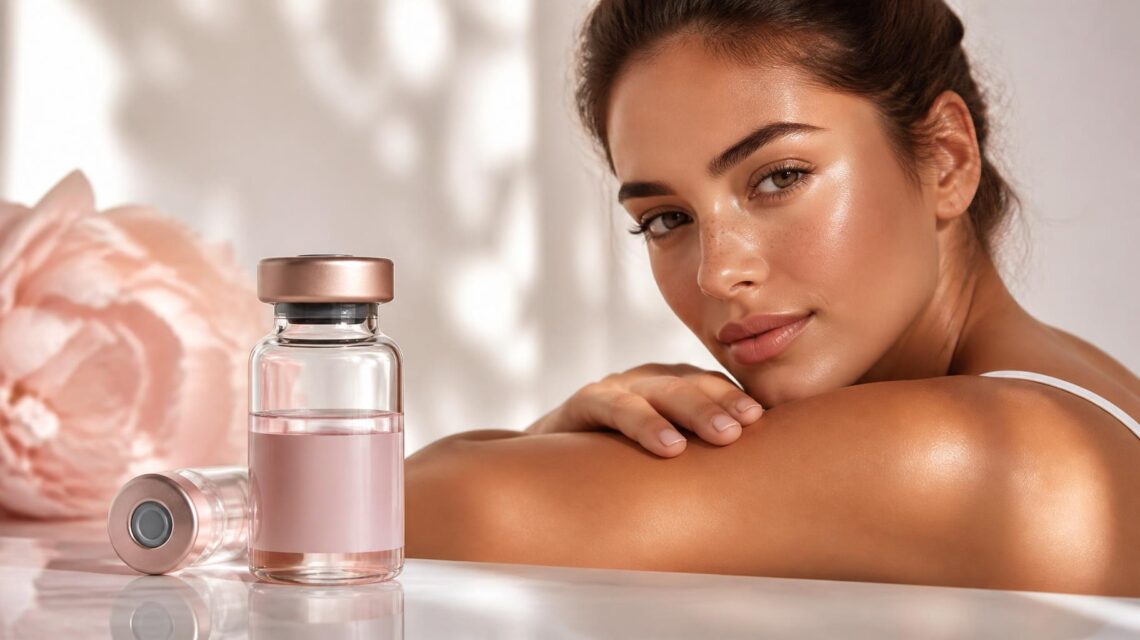
The so-called Barbie peptide has become a trending phrase in online tanning conversations, especially on social media platforms where fast cosmetic results are often glamorized. It is commonly used to refer to injectable or nasal tanning peptides, most often linked to melanotan products that claim to stimulate pigment production and create a darker skin tone without prolonged sun exposure. But the key question remains: is the Barbie peptide safe for tanning skin?
The short answer is that medical experts and regulators continue to raise serious concerns. These products are often sold online, promoted by influencers, and marketed as beauty shortcuts, yet many are unlicensed, insufficiently studied, and potentially risky. Before anyone considers using a tanning peptide, it is important to understand what it is, how it works, and why health professionals urge caution.
What Is the Barbie Peptide?
The term Barbie peptide is not a formal medical name. It is a nickname often used for melanotan-related tanning peptides, especially products marketed for bronzed skin and aesthetic enhancement. These compounds are designed to mimic hormones that influence melanin production in the body.
Melanin is the pigment responsible for skin, hair, and eye color. In theory, increasing melanin can darken the skin, which is why these tanning peptides are promoted as alternatives to sunbathing or tanning beds. Some sellers also claim additional effects such as appetite suppression or increased libido, which adds to the online buzz but also to the confusion and risk.
There are several major concerns with these products:
- They are frequently sold through unregulated websites
- They may be mislabeled or contaminated
- They are often used without medical supervision
- Long-term safety data is limited or unclear
How Tanning Peptides Are Supposed to Work
Tanning peptides typically claim to stimulate melanocytes, the cells that produce melanin. By encouraging the body to produce more pigment, the skin may appear darker over time. Some users combine these products with sun exposure, believing this will intensify results.
That combination may create an even greater concern. A darker appearance can give users a false sense of protection, leading them to spend more time in ultraviolet exposure than they otherwise would. While melanin does offer some natural defense, a tan is not the same thing as strong sun protection. Skin damage can still occur, and the risk of premature aging and skin cancer remains.
Why the Appeal Is Growing
The popularity of tanning peptides reflects a broader beauty trend centered around appearance-first wellness. People are often attracted to products that promise:
- Quick cosmetic results
- A tanned look without hours in the sun
- An image associated with confidence or glamour
- Social media-ready transformation
However, the desire for convenience can overshadow important health questions. Just because a product is viral or aesthetically marketed does not mean it is safe.
Is the Barbie Peptide Safe?
Based on available medical concern and repeated public health warnings, the Barbie peptide cannot be considered a proven safe tanning solution. Much of the safety issue comes from the way these products are distributed and used. Many are not approved medicines, and they may bypass the quality controls required for legitimate pharmaceutical products.
Experts have highlighted several possible side effects associated with tanning peptides, including:
- Nausea
- Flushing
- Vomiting
- Changes in moles or freckles
- Increased pigmentation in unexpected areas
- Potential cardiovascular concerns
Another major concern is that products sold online may not contain what they claim. Buyers may receive incorrect dosages, impure ingredients, or substances manufactured in poor conditions. Since many users self-administer by injection or nasal spray, the chance of misuse is also significant.
Unregulated Products Mean Unpredictable Risk
One of the biggest red flags is the lack of regulation. When a product is obtained outside regulated medical systems, there is no reliable guarantee of:
- Purity
- Strength
- Sterility
- Proper labeling
- Evidence-based dosing instructions
This matters even more with injectable products. Introducing an unverified substance into the body can lead to complications ranging from minor irritation to serious infection or harmful systemic effects.
What Health Experts Are Worried About
Doctors and skin specialists are especially concerned that tanning peptides may encourage people to normalize risky cosmetic experimentation. The concern is not limited to side effects alone. There are broader issues involving skin health, delayed diagnosis, and behavior around UV exposure.
For example, some reports have suggested these products may alter the appearance of moles. Any unexplained change in size, color, border, or shape of a mole should be assessed by a medical professional. If a tanning product makes it harder to monitor skin changes, that poses a serious issue for early detection of skin cancer.
Health experts are also concerned that consumers may view peptide-induced tanning as safer than tanning beds or direct sun. In reality, if these products are used alongside UV exposure, the user may simply be adding one risk on top of another.
Potential Skin Cancer Concerns
Although tanning peptides are often marketed as a way to achieve bronzed skin, that cosmetic goal should never distract from the larger issue of skin cancer prevention. Any practice that encourages tanning culture can potentially increase risky sun behavior.
Important points to remember include:
- A tan is a sign that the skin is responding to damage
- Ultraviolet radiation remains a major risk factor for skin cancer
- Darker skin after peptide use does not equal immunity from sunburn or long-term damage
- Monitoring moles and pigmentation changes is essential
Why Social Media Trends Can Be Misleading
Part of the Barbie peptide conversation is fueled by eye-catching before-and-after content. Influencers may share dramatic tanning transformations without discussing sourcing, dosage, side effects, or medical consequences. As a result, audiences can be exposed to a highly edited version of reality.
Beauty trends online often reward immediate visible results, not long-term safety. A bronzed appearance may look desirable in a short video clip, but viewers are rarely shown the full picture, including nausea, pigmentation irregularities, or the emotional and physical impact of health complications.
This is why consumer skepticism matters. If a skincare or tanning product is being sold through hype rather than medical transparency, that should be treated as a warning sign.
Safer Alternatives for a Tanned Look
For people who want bronzed skin without taking unnecessary medical risks, there are safer cosmetic alternatives. These options do not involve injecting unregulated substances or relying on questionable peptides.
Consider These Safer Tanning Options
- Self-tanning lotions that color the outer layer of the skin
- Spray tans performed by trained professionals
- Bronzing drops mixed with moisturizer or foundation
- Body makeup for temporary glow and even tone
While even cosmetic tanning products should be patch-tested and used according to instructions, they generally present fewer serious risks than unapproved injectable peptides.
How to Protect Skin While Maintaining a Healthy Glow
Healthy-looking skin does not have to come from tanning. In fact, many dermatologists emphasize that well-cared-for skin looks better long term than sun-damaged skin. If your goal is radiance rather than a specific shade, focus on skin health first.
Good skin practices include:
- Using broad-spectrum sunscreen every day
- Reapplying SPF during outdoor exposure
- Wearing protective clothing and sunglasses
- Staying out of intense midday sun when possible
- Keeping skin hydrated with fragrance-free moisturizers
- Using vitamin C or niacinamide products for brightness if suitable for your skin
These habits support a more sustainable, health-conscious approach to beauty.
What to Do If You Are Considering the Barbie Peptide
If you are thinking about using a tanning peptide, the best step is to speak with a qualified medical professional first. Do not rely on online sellers, anonymous forums, or influencer posts for health guidance. A doctor or dermatologist can explain the risks, assess your skin health, and recommend safer alternatives.
You should be especially cautious if you have:
- A personal or family history of skin cancer
- Many moles or atypical moles
-