

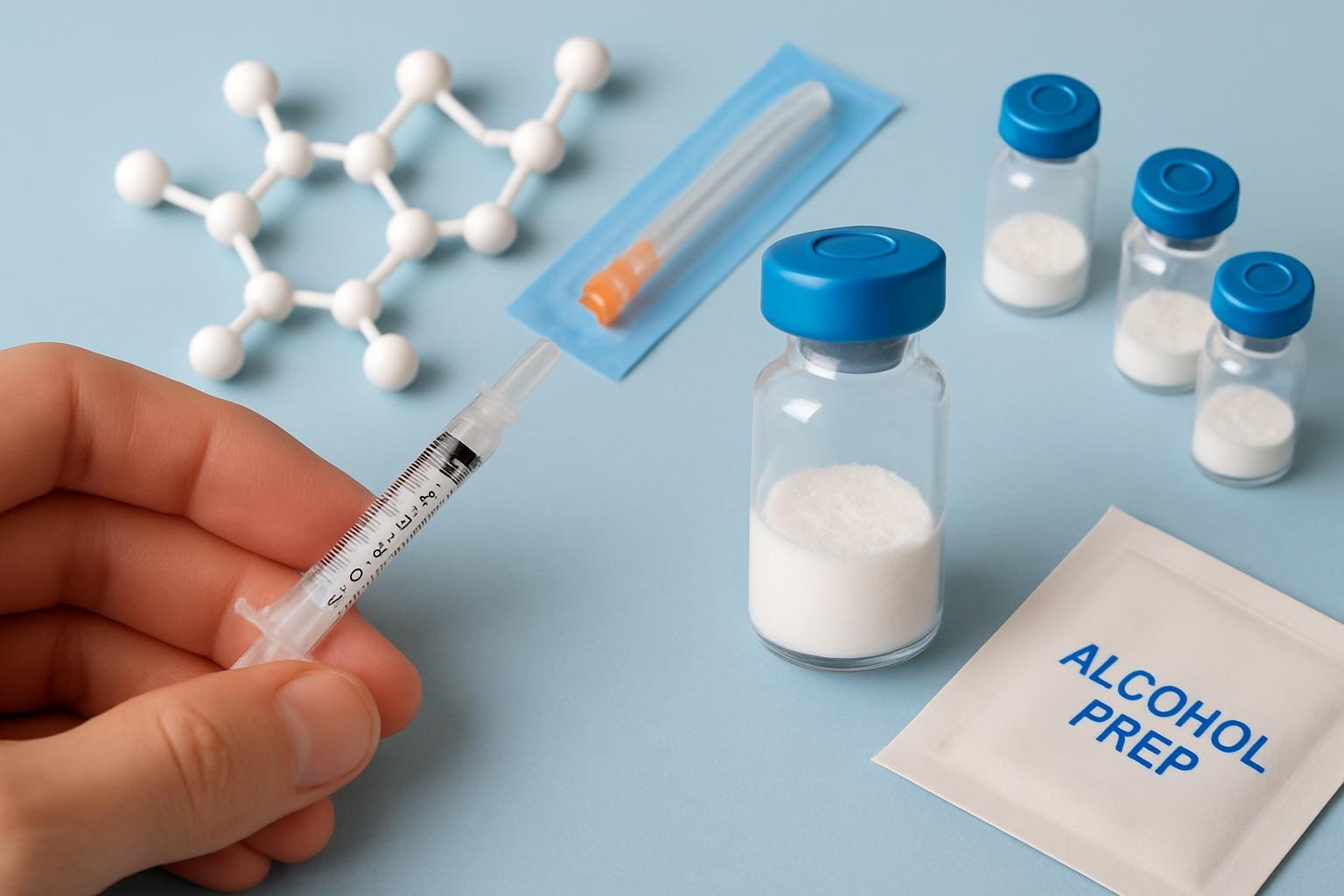
In recent months, a new wellness craze has captured the attention of social media influencers, health enthusiasts, and supporters of independent presidential candidate Robert F. Kennedy Jr. The trend centers on unproven peptides — small chains of amino acids that are being marketed as powerful agents for anti-aging, muscle recovery, and immune support. Despite a lack of concrete scientific evidence, this subculture of peptide promotion is rapidly gaining traction across online wellness networks and influencer communities.
What Are Peptides and Why Are They Trending?
Peptides are short chains of amino acids that naturally occur in the body. They serve as building blocks for proteins, which play critical roles in biological processes such as hormone production, tissue repair, and metabolism regulation. In legitimate medical and cosmetic applications, peptides are used in prescription drugs and high-end skincare products. However, the peptides currently trending on social media occupy a far murkier scientific space.
Influencers are touting peptides such as BPC-157, TB-500, and Epitalon as miracle molecules that can rejuvenate the body, heal injuries faster, and even delay aging. The appeal of these compounds lies in their purported natural origins and regenerative potential — buzzwords that fit neatly into the popular biohacking and longevity movements.
But experts warn that most of these claims are not supported by rigorous clinical research. The U.S. Food and Drug Administration (FDA) has not approved these compounds for general use, raising questions about their safety, purity, and long-term health implications.
The Role of Influencers in the Peptide Boom
Social media has been instrumental in transforming peptides from obscure scientific terms into the latest wellness fad. High-profile influencers across platforms like Instagram, YouTube, and X (formerly Twitter) frequently feature peptides in posts highlighting personal health breakthroughs or anti-aging regimens.
Influencers often frame these substances as part of a holistic lifestyle, emphasizing anecdotal success stories instead of clinical data. The trend has been fueled by:
- Self-optimization culture: Online wellness communities are increasingly obsessed with finding shortcuts to better health and longevity. Peptides are being portrayed as a ‘natural’ alternative to pharmaceutical drugs.
- Affiliate marketing: Some influencers monetize their peptide advocacy by linking to online retailers or clinics offering peptide injectables and supplements.
- Algorithmic amplification: Social platforms reward engaging and aspirational content, allowing peptide videos to quickly gain millions of views.
The result is a powerful feedback loop of desire, endorsement, and emulation. As followers watch their favorite creators showcase physical transformation or peak performance, the allure of peptides grows stronger — despite the lack of scientific backing.
RFK Jr. Allies and the Wellness-Politics Crossover
Adding another layer to the trend is the involvement of certain figures close to Robert F. Kennedy Jr. and his political orbit. Kennedy’s well-known skepticism of traditional public health institutions has resonated with segments of the wellness and alternative medicine community. This overlap between health autonomy advocates and anti-establishment politics has made peptides an ideological as well as physical pursuit for some.
Several of Kennedy’s allies or supporters have publicly endorsed peptides and other controversial wellness interventions as natural alternatives to “Big Pharma.” These endorsements are not directly linked to Kennedy’s presidential campaign, but they highlight how health misinformation or exaggerated science can spill into political discourse.
For followers of these movements, peptides symbolize a broader rejection of mainstream science and a push toward self-directed health management — a concept that pairs neatly with anti-regulatory philosophies. The crossover between activism and wellness has allowed peptide popularity to expand beyond niche fitness circles to audiences motivated by distrust of conventional medicine.
Scientific Scrutiny and Medical Warnings
While the anecdotal stories may sound compelling, scientists and medical professionals emphasize that many of the most advertised peptides — including those sold online as injectable formulations — remain unapproved and unregulated. The FDA has issued multiple warnings about the unverified safety of such compounds.
- Many peptides advertised online are sourced from unverified manufacturers, increasing contamination and dosage risks.
- Few large-scale human studies have confirmed therapeutic claims made by promoters.
- Side effects ranging from hormonal imbalance to immune disorders have been reported in informal forums and case studies.
Dr. Megan O’Connor, a clinical pharmacologist, noted that the excitement around peptides is a mix of “genuine curiosity and dangerous marketing.” She warns that the absence of regulatory oversight means that even if a peptide theoretically works, users may not be getting a pure or accurately dosed product. The clinics promoting these compounds often rely on loopholes, selling them as “research chemicals” not intended for human consumption while implying the opposite through marketing language.
Moreover, some health experts see a worrying pattern reminiscent of past wellness fads — from miracle supplements to detox regimens — that began in niche corners of the internet and later resulted in widespread misinformation. The peptide craze, with its pseudo-scientific vocabulary and high-profile endorsers, could amplify that risk exponentially.
The Economics Behind the Peptide Industry
The commercial landscape for peptides has exploded. Wellness brands and compounding pharmacies now offer peptide injections under sleek branding aimed at health-conscious consumers. Despite their unapproved status, peptides are being marketed as cutting-edge bioenhancers compatible with a modern, self-optimized lifestyle.
The business model often relies on three components:
- Content-driven demand: Influencers generate visibility and trust-based demand through social media exposure.
- Clinic partnerships: Specialized clinics provide access to peptides through doctor consultations or “membership” programs.
- Supplement retail: Online stores capture consumers who prefer peptides in capsule or spray form, often bypassing medical oversight entirely.
The industry’s growth reflects how the lines between healthcare, wellness, and commerce have blurred. Many peptide companies operate in legal gray zones, taking advantage of limited enforcement or vaguely worded marketing rules.
Consumer Risks and Ethical Concerns
Using untested peptides raises not only health but also ethical concerns. Influencers profiting from endorsements may unintentionally (or deliberately) downplay possible harms. When such promotion overlaps with loosely regulated health services, consumers face a perfect storm of persuasive marketing and medical ambiguity.
- Health risks: Inconsistent product quality and dosage variability could lead to unpredictable outcomes.
- Financial exploitation: Peptide cycles and consultations can cost hundreds or thousands of dollars, often without proven benefit.
- Misinformation spread: When influencers frame peptides as natural miracles, it discourages conventional treatment-seeking behaviors for chronic or age-related conditions.
The ethical question, therefore, isn’t just whether peptides work — it’s whether the marketing ecosystem surrounding them is responsible. Without strict regulation, the line between wellness advice and pseudoscience continues to blur.
The Social Psychology of the Peptide Craze
At the core of the peptide trend lies a deeper cultural phenomenon: the desire for biological self-mastery. People crave control over their health, especially after years of public health disruptions and growing institutional distrust. Peptides promise empowerment — the idea that one can engineer resilience, speed up recovery, and even reverse aging from home.
This is further amplified by influencer narratives showcasing visible results. The logic of “if it worked for them, it can work for me” can override skepticism, particularly when reinforced by aspirational imagery. The peptide craze, much like earlier wellness booms, thrives on emotion-driven consumption and the psychological comfort of belonging to an exclusive health-aware community.
The Path Forward: Education and Regulation
To address the risks of unproven peptide promotion, experts call for a multi-pronged approach centered on public education, tighter digital platform oversight, and clearer regulatory guidelines. Social media companies can play a role by scrutinizing health-content monetization and implementing warnings for unverified medical claims.
Meanwhile, consumers can protect themselves by taking simple precautions:
- Consult healthcare professionals before using any peptide products or injections.
- Verify claims through peer-reviewed research, not influencer testimonials.
- Report misleading advertisements or health claims to relevant authorities.
The promise of scientific innovation should never eclipse safety, transparency, or ethics. Peptides may indeed hold research potential for the future, but their current use outside regulated frameworks carries undeniable risks. Without credible clinical trials and regulatory oversight, any wellness product — no matter how trendy or natural — remains speculative at best.
Conclusion: Influencers, Power, and the Future of Wellness Trends
The growing fascination with peptides illustrates how modern wellness culture is shaped as much by marketing and ideology as by science. The convergence of political movements, celebrity endorsements, and alternative health narratives has transformed these unverified compounds into cultural symbols of independence and self-optimization.
Yet beneath the