

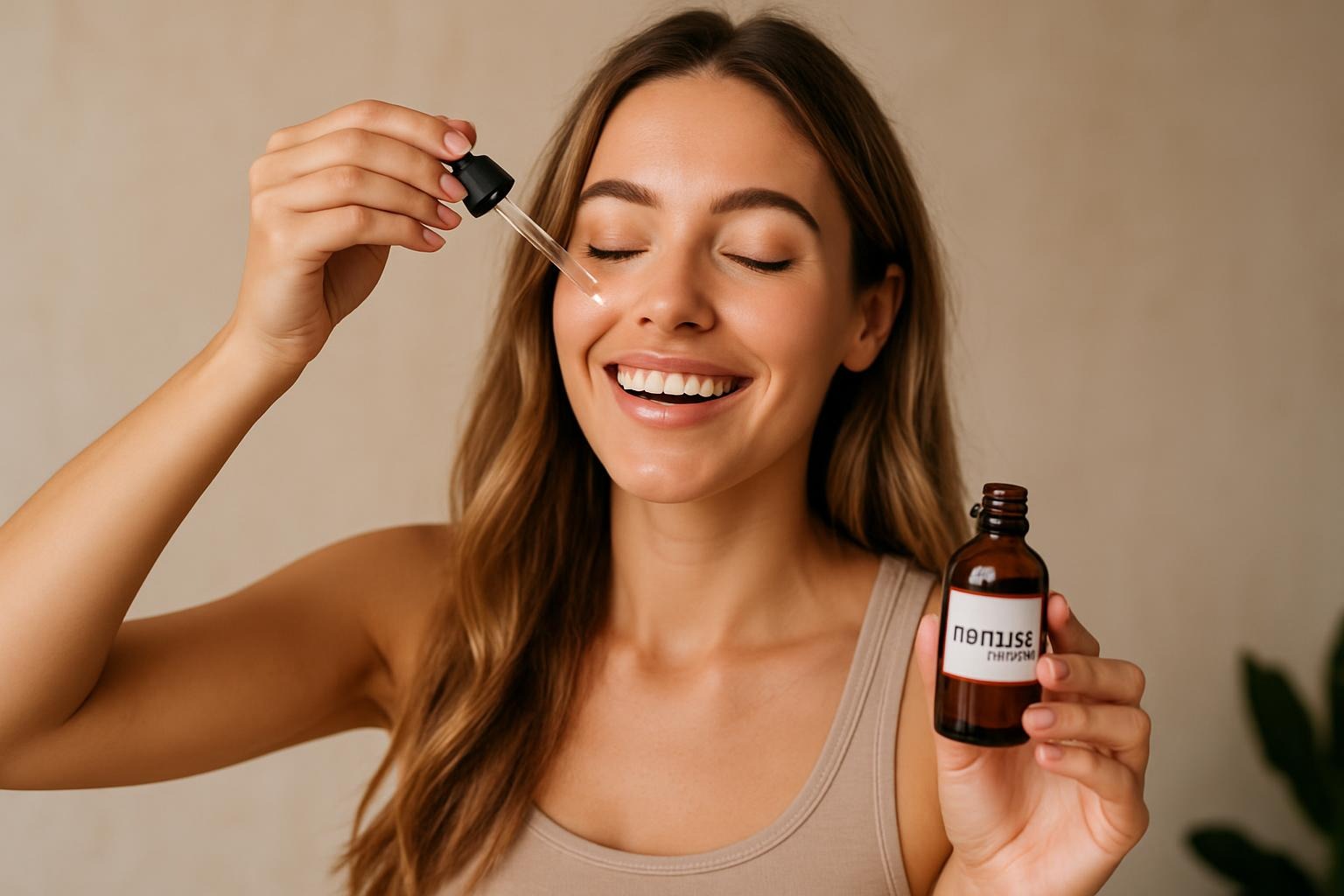
The Rise of Peptide Hype
In recent years, social media has become the modern marketplace for health and wellness trends. From detox teas to IV drips, influencers have played a pivotal role in popularizing products that promise boundless energy, rapid weight loss, and youthful skin. The latest wellness fascination sweeping Instagram, TikTok, and YouTube is peptide injections. Promoted as a miracle solution for fat burning, muscle recovery, and anti-aging, these compounds are capturing the attention of celebrities and fitness enthusiasts alike.
However, health authorities, including the U.S. Food and Drug Administration (FDA), are raising red flags over these products—particularly because many peptide formulations being advertised online are **unapproved, unregulated, and potentially unsafe**.
What Are Peptides?
Peptides are short chains of amino acids, the building blocks of proteins. Within the human body, they perform a variety of functions, such as supporting hormone production, muscle tissue repair, and even skin regeneration. Because of these naturally beneficial roles, scientists have long studied peptides for potential medical and therapeutic uses.
However, there’s a critical distinction between **clinically studied peptides** and those being marketed to consumers online. Many products promoted on social media are *synthetic peptides* that have not been tested or approved for safety or efficacy. They are often sold via online retailers, compounding pharmacies, and even wellness clinics, sometimes with claims that stretch far beyond scientific evidence.
The Celebrity and Influencer Effect
The marketing push behind peptides largely stems from their adoption by fitness influencers, reality TV stars, and biohackers who share their personal experiences with peptide injections. These endorsements often feature before-and-after photos, claims of rapid fat loss, muscle gain, or improved sleep, and are backed by the influencer’s persuasive personal brand.
Celebrities with large audiences wield immense power in shaping public perception of health products. When they talk about a “miracle” shot that supposedly helps burn fat or reverse aging, followers may rush to buy—often without consulting a doctor or considering the regulatory status of the product.
Unfortunately, **celebrity-backed trends can outpace scientific validation**, creating a dangerous gap between perception and safety. While some peptides have potential medical applications, unsupervised use can expose consumers to serious side effects or unknown health consequences.
FDA Warnings: What the Agency Is Saying
In a recent safety communication, the FDA issued warnings regarding the sale and promotion of **unapproved peptide injections**, emphasizing that many of these products are illegal to distribute or administer in the United States.
According to the agency, the danger arises from:
- Unknown manufacturing conditions that may lead to contamination or mislabeling.
- Dosing inconsistencies—many peptides sold online are not standardized in potency.
- Lack of clinical trials to prove safety and effectiveness for human use.
- Risks of infection, hormonal imbalances, or allergic reactions when injected incorrectly.
The FDA has highlighted particular concern about the use of peptides such as **BPC-157**, **TB-500**, and **Melanotan II**—products that have not received approval for any medical use. Despite this, they are widely available through online sellers, some even packaged to look pharmaceutical-grade.
Why Consumers Are Drawn to Peptides
The appeal behind peptides stems from their promises. Many people see them as a **shortcut to health, beauty, or peak performance**, especially when used in conjunction with popular fitness programs or cosmetic treatments.
Commonly promoted benefits of peptides include:
- Accelerated fat loss and metabolism support
- Enhanced muscle growth and recovery
- Improved skin elasticity and hydration
- Better sleep quality and increased energy
- Anti-aging and improved cognitive function
These claims, however, are often **unsupported by reliable scientific data**. In fact, while some peptides have legitimate therapeutic uses—such as insulin (a peptide hormone)—most circulating in online wellness markets remain experimental. Without standardized dosing or human trials, it’s impossible to guarantee the safety of these substances.
The Dangers of Purchasing Peptides Online
Part of the problem lies in the unregulated marketplaces where peptides are sold. Many online vendors present disclaimers such as “for research purposes only,” yet simultaneously target consumers seeking cosmetic or performance benefits. This mixed messaging allows companies to skirt legal accountability while luring buyers with health-related promises.
Some key dangers of buying peptides online include:
- Unknown ingredients: Labels may not accurately reflect what’s inside the vial.
- Quality control issues: These products might be contaminated with harmful substances or bacteria.
- Dosing and storage errors: Peptides are sensitive compounds that require precise handling and refrigeration.
- Risk of counterfeit versions: Black-market peptides can contain fillers or entirely different chemicals.
Even when purchased from a compounding pharmacy, oversight and regulatory clarity are often lacking. Consumers are rarely informed whether the peptides have undergone proper testing or if the source materials meet sterile manufacturing standards.
Social Media Algorithms and the Misinformation Cycle
A major factor driving the peptide trend is the **algorithmic amplification of influencer content**. Platforms like TikTok and Instagram prioritize engagement—comment counts, likes, and shares—often boosting sensational health claims that promise visible results in days.
This creates a **feedback loop of misinformation**, where unverified testimonials overshadow medical caution. Influencers may not intentionally mislead their audience; many genuinely believe in the results they’ve experienced. Yet, the absence of balanced information—backed by qualified health professionals—can lead followers to take unnecessary health risks.
Furthermore, some healthcare providers are joining the trend, offering peptide treatments in wellness spas or aesthetic clinics. Although this lends an air of legitimacy, it does not negate the FDA’s stance that **most peptides marketed this way are still unapproved drugs**.
Potential Health Risks and Side Effects
While individual reactions vary, the unregulated use of injectable peptides can result in a range of dangerous outcomes:
- Skin reactions: Redness, irritation, or infection at the injection site.
- Hormonal imbalance: Peptides that affect growth hormone pathways can alter natural hormone production.
- Kidney or liver strain: Metabolizing untested compounds can harm vital organs.
- Cardiovascular stress: Some peptides may impact heart rate or blood pressure.
- Potential cancer risk: Continuous stimulation of growth factors could encourage abnormal cell growth in the long term.
Because these substances often bypass traditional drug approval channels, consumers act as **unwitting test subjects** for products with unknown long-term impacts.
The Importance of Medical Oversight
Before considering any injectable treatment, individuals should **consult a licensed healthcare provider**. Physicians trained in endocrinology or sports medicine can evaluate whether specific peptide therapies are medically appropriate. In legitimate research or clinical settings, peptide drugs are administered under carefully controlled conditions—dosage, purity, and patient outcomes are closely monitored.
By contrast, do-it-yourself peptide injection protocols, commonly shared on forums or social media, lack such safeguards. Medical oversight ensures not only proper dosage but also monitoring for adverse reactions, which can prevent serious complications.
What Responsible Influencers Should Do
Influencers wield enormous influence in shaping consumer behavior. As digital role models, they carry ethical responsibility for what they promote to followers. To act responsibly, influencers should:
- Verify the safety and legality of products before endorsement.
- Disclose sponsorships or paid partnerships transparently.
- Avoid making health or medical claims without evidence.
- Encourage followers to seek professional medical advice.
By promoting transparency and education over hype, influencers can help mitigate the spread of dangerous health misinformation.
What the Public Should Take Away
The FDA’s warnings are not about stifling innovation—they are about protecting consumer safety. Peptides show exciting scientific potential, but their development must proceed through **proper research and regulatory channels**.
Anyone tempted by influencer-promoted peptide injections should remember:
- If a compound isn’t FDA-approved, it likely hasn’t been proven safe for regular use.
- “All-natural” doesn’t equal harmless—biologically active peptides can still carry risks.
- Medical treatments should be personalized, evidence-backed, and prescribed by qualified professionals.
Conclusion: A Call for Caution and Responsibility
The growing popularity of **unapproved peptide injections** highlights a troubling intersection of social media influence, wellness culture, and regulatory blind spots. While peptides themselves may hold real promise in future medicine, their current misuse poses tangible dangers.
Consumers must exercise **critical thinking and medical due diligence** before following viral trends. Likewise, influencers, content