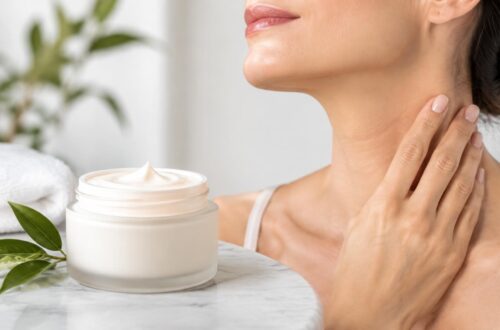
The India peptide firming creams market is emerging as one of the most dynamic segments within the country’s skincare industry. Driven by rising beauty awareness, premium skincare adoption, and growing demand for advanced anti-aging solutions, peptide-based firming creams are gaining strong traction among Indian consumers. As skincare preferences evolve from basic moisturization to targeted treatment products, peptide formulations are increasingly being recognized for their ability to support skin elasticity, hydration, and youthful appearance.
In recent years, Indian consumers have become more ingredient-conscious, seeking products that offer visible benefits backed by science. This trend has helped peptide firming creams move from a niche category into mainstream skincare discussions. The market is also benefiting from wider product availability through e-commerce platforms, specialty beauty retailers, dermatology clinics, and pharmacy chains.
Understanding the Growing Appeal of Peptide Firming Creams in India
Peptide firming creams are designed to address concerns such as loss of firmness, fine lines, wrinkles, and reduced skin elasticity. Peptides are short chains of amino acids that play an important role in supporting the skin’s structural proteins, including collagen and elastin. As consumers in India become more educated about active ingredients, peptide-infused products are increasingly perceived as effective, modern, and premium skincare solutions.
The appeal of these creams is especially strong among urban consumers who are exposed to global beauty trends and are willing to invest in products that promise anti-aging and skin-repair benefits. In addition, changing lifestyles, pollution exposure, stress, and prolonged screen time have pushed many consumers to adopt more specialized skincare routines.
Why consumers are choosing peptide firming creams
- Targeted anti-aging benefits that address firmness and elasticity.
- Ingredient-driven purchasing behavior with more shoppers researching formulations.
- Growing awareness of preventive skincare among younger age groups.
- Rising disposable incomes that support premium beauty spending.
- Stronger digital influence through beauty influencers, dermatologists, and skincare communities.
Market Trends Shaping the India Peptide Firming Creams Segment
Several notable trends are influencing the development of the peptide firming creams market in India. One of the biggest is the shift toward science-backed beauty products. Consumers no longer rely solely on brand reputation; they are examining labels, ingredient lists, and clinical claims before making a purchase. This has created a favorable environment for products featuring peptides, ceramides, hyaluronic acid, retinol alternatives, and botanical actives.
Another key trend is the blending of premium skincare with accessibility. While many peptide creams were once positioned as luxury products, brands are now introducing offerings across multiple price points. This is helping the category expand beyond affluent urban users and reach a broader middle-class audience interested in effective skincare.
The demand for multifunctional formulations is also rising. Indian consumers often prefer products that provide several benefits in one jar, such as firming, hydration, brightening, barrier support, and anti-pollution protection. As a result, many peptide creams are being launched with complementary ingredients that enhance their appeal.
Important trends to watch
- Hybrid formulations combining peptides with vitamins, niacinamide, peptides, and antioxidants.
- Clean and dermatologically tested positioning to build trust among cautious buyers.
- Greater focus on preventive aging among consumers in their late 20s and 30s.
- Demand for night repair creams and intensive treatment products.
- Expansion of men’s skincare creating new opportunities for peptide-based products.
Key Growth Drivers Behind Market Expansion
The India peptide firming creams market is expected to grow steadily due to a mix of social, economic, and industry-specific drivers. One of the strongest growth enablers is the rapid expansion of organized beauty retail and online shopping. Consumers across Tier 1, Tier 2, and increasingly Tier 3 cities are now able to access premium and specialized skincare products with ease.
Digital commerce has made comparison shopping simpler, allowing users to read product reviews, dermatology recommendations, and ingredient analyses before purchasing. This transparency supports categories like peptide firming creams, which often require some level of ingredient awareness to appreciate their value proposition.
Another major driver is the rising emphasis on appearance, self-care, and wellness. Skincare is no longer viewed solely as cosmetic indulgence; it is increasingly linked to self-confidence, personal care, and healthy living. This shift is broadening the customer base for anti-aging and skin-firming products.
Furthermore, increased product innovation by global and domestic brands is stimulating competition and consumer interest. Companies are investing in improved textures, clinically inspired formulations, elegant packaging, and stronger marketing messages focused on visible results.
Main drivers accelerating the market
- Urbanization and lifestyle changes increasing skincare concern awareness.
- Higher disposable income supporting demand for premium skincare.
- E-commerce and direct-to-consumer channels improving product reach.
- Marketing around active ingredients making peptides easier to understand.
- Influence of global beauty trends entering the Indian market faster than before.
Consumer Segmentation and Purchase Behavior
The buyer base for peptide firming creams in India is becoming more diverse. While women in the 30 to 50 age group remain a core target audience, younger consumers are increasingly purchasing such products as part of their preventive skincare routines. At the same time, men’s grooming and skincare categories are evolving, creating room for peptide-based solutions aimed at male consumers seeking anti-aging and skin-repair benefits.
Urban working professionals represent a particularly attractive segment because they are more likely to face factors such as stress, pollution, irregular sleep, and long work hours, all of which contribute to early signs of aging. This group also tends to be more engaged with digital beauty content and ingredient education.
Consumers in India are also showing varied preferences depending on their budgets and skincare goals. Some prefer premium imported products, while others are open to Indian brands offering effective peptide creams at competitive prices. Product texture, fragrance, brand trust, dermatologist endorsement, and visible results all play significant roles in influencing purchase decisions.
Common buying factors
- Ingredient credibility and active concentration perception.
- Price-to-performance value in a competitive skincare market.
- Brand trust and reviews from existing users.
- Suitability for Indian skin types and climate conditions.
- Claims around firmness, hydration, and radiance.
Challenges Facing the India Peptide Firming Creams Market
Despite its positive outlook, the market also faces certain challenges. One of the main barriers is limited consumer understanding of peptides compared with more familiar ingredients like vitamin C, retinol, or hyaluronic acid. For many shoppers, peptide terminology may still sound technical or unclear, which can affect conversion rates unless brands invest in education.
Price sensitivity remains another concern. Peptide firming creams are often positioned at a premium due to their advanced formulations, and this may limit adoption among cost-conscious consumers. In a market where discounts and value packs strongly influence buying patterns, brands must carefully balance efficacy claims with affordability.
Competition is also intensifying. The anti-aging skincare category includes a wide range of alternatives, from retinol creams and collagen products to herbal formulations and multifunctional moisturizers. To stand out, peptide cream brands must differentiate through transparency, product performance, and strong communication.
Additionally, climate diversity across India poses formulation challenges. Consumers may seek lighter creams in humid regions and richer formulations in drier climates, encouraging brands to localize product development.
Competitive Landscape and Brand Opportunities
The competitive environment for peptide firming creams in India includes international skincare companies, dermatologist-led labels, cosmeceutical brands, and fast-growing domestic beauty players. This diversity is creating an active market where innovation, affordability, and brand trust can all become competitive advantages.
Domestic brands in particular have an opportunity to win greater market share by offering India-focused formulations tailored to local skin concerns, climate conditions, and price expectations. Products that combine peptides with ingredients familiar to Indian consumers, such as saffron extracts, aloe vera, niacinamide, or turmeric derivatives, may also gain stronger appeal if positioned carefully.
Brands that communicate clearly about product usage, expected results, and ingredient function are likely to build stronger long-term loyalty.