Hair thinning can feel frustrating, expensive, and overwhelming, especially when the most talked-about treatments do not work for everyone. That is one reason so many people are searching for affordable alternatives to traditional regrowth products. A growing number of shoppers are now looking beyond standard minoxidil formulas and trying lower-cost hair serums that promise healthier-looking, fuller hair without the same level of commitment, irritation, or complexity.
One product gaining attention is a $20 minoxidil alternative hair growth serum. Interest in these budget-friendly formulas is rising because they appeal to consumers who want to support scalp health, reduce visible shedding, and encourage stronger strands using ingredients other than drug-based treatments. While these products are not direct medical substitutes, they can still play a meaningful role in a broader hair care routine.
In this article, we take a closer look at why a minoxidil alternative serum is generating so much buzz, how these serums typically work, what ingredients matter most, and whether a low-cost option can be worth adding to your routine.
Why People Are Looking for a Minoxidil Alternative
Minoxidil remains one of the most well-known topical treatments for hair loss, but it is not always the perfect fit for every person. Some users experience scalp dryness, irritation, or difficulty sticking to a long-term routine. Others simply prefer to start with something gentler, less clinical, or more affordable.
That has opened the door for alternative serums designed to improve the environment of the scalp and support healthier hair over time. Instead of functioning like a medication, these formulas often rely on botanical extracts, peptides, caffeine, oils, and nourishing vitamins to strengthen hair at the root and reduce breakage.
- Lower price point: Many serums cost far less than premium hair growth systems.
- Gentler formulas: Alternative products may be better suited for sensitive scalps.
- Ease of use: Lightweight serums can fit easily into morning or evening routines.
- Cosmetic benefits: Some formulas improve shine, softness, and scalp comfort while targeting thinning.
For many users, the appeal is not just regrowth. It is also about finding a practical hair wellness product that feels easy to use every day.
What a $20 Hair Growth Serum Usually Promises
An affordable hair growth serum typically does not claim to medically reverse hair loss in the same way an FDA-approved ingredient might. Instead, it is usually positioned as a scalp-supporting and strand-strengthening treatment. That distinction matters.
Most products in this category promise some combination of the following:
- Reduced visible shedding
- Improved scalp hydration
- Healthier-looking roots
- Thicker-feeling hair over time
- Less breakage from dryness or damage
- A better foundation for fuller-looking styles
These claims are often tied to consistency. Hair products rarely produce overnight results, and users generally need to apply them over several weeks or months before making a fair evaluation.
Key Ingredients Commonly Found in Minoxidil Alternative Serums
While every formula is different, the best alternative hair serums often include a mix of ingredients chosen to improve scalp circulation, nourish follicles, and protect the hair you already have.
Caffeine
Caffeine is a popular addition to scalp products because it is thought to help energize the scalp and support the appearance of stronger roots. It is also lightweight, making it a good fit for leave-in formulas.
Peptides
Peptides are commonly used in beauty and hair products to support the structure of skin and hair. In scalp serums, they are often included to help create a healthier environment for hair growth and resilience.
Biotin
Biotin continues to be one of the most recognized hair care ingredients. While topical biotin is not a miracle cure, it is frequently included in formulas aimed at strengthening weak, brittle strands.
Rosemary Extract or Rosemary Oil
Rosemary has become one of the biggest ingredients in the natural hair growth conversation. Many consumers seek it out as an alternative to more traditional treatments because it is associated with scalp stimulation and improved hair vitality.
Niacinamide
Niacinamide supports skin barrier health, and because the scalp is an extension of the skin, it can be helpful in formulas meant to calm and rebalance the scalp.
Plant Oils and Botanical Extracts
Ingredients like castor oil, ginseng, pumpkin seed extract, aloe vera, and green tea often appear in these serums. Their main benefit is usually conditioning, soothing, or antioxidant support rather than dramatic regrowth on their own.
What Makes a Budget Hair Serum Stand Out
A low price alone does not make a product effective. In fact, many shoppers are skeptical of anything positioned as a hair growth serum for just $20. However, there are a few signs that a budget option may still be worth trying.
- Well-balanced ingredient list: A serum should include more than fragrance and filler ingredients.
- Non-greasy texture: If a formula is too heavy, users are less likely to apply it consistently.
- Scalp-friendly formulation: Products should feel soothing rather than irritating.
- Positive user feedback: Reviews often highlight whether a serum helps with shedding, softness, or fullness.
- Realistic marketing: Trustworthy products focus on support and improvement, not instant miracle results.
In the crowded hair care market, simplicity can be a strength. A serum does not need to be expensive to be useful if it helps maintain scalp balance and reduces breakage.
What Results Can You Realistically Expect?
Managing expectations is important with any hair product, especially one marketed as an alternative to minoxidil. A serum in this category may help your hair look healthier, feel stronger, and shed less due to breakage, but results vary based on the cause of thinning.
If hair loss is linked to stress, heat damage, tight hairstyles, dryness, or seasonal shedding, a supportive serum may provide visible improvement over time. If thinning is caused by hormonal changes, genetics, or a medical condition, a cosmetic serum may be less impactful on its own.
That does not mean it is not useful. Many people benefit from using these products as part of a broader routine focused on scalp care and hair preservation.
You may notice:
- Hair that feels softer and less brittle
- A scalp that feels less dry or irritated
- Reduced fallout during brushing or washing
- Improved shine and smoother texture
- Hair that appears fuller when styled
Visible new growth, when it happens, usually takes longer and tends to be subtle at first.
How to Use a Hair Growth Serum for Best Results
Application technique matters more than many people realize. Even a promising serum can underperform if it is used inconsistently or layered incorrectly with other products.
Best practices include:
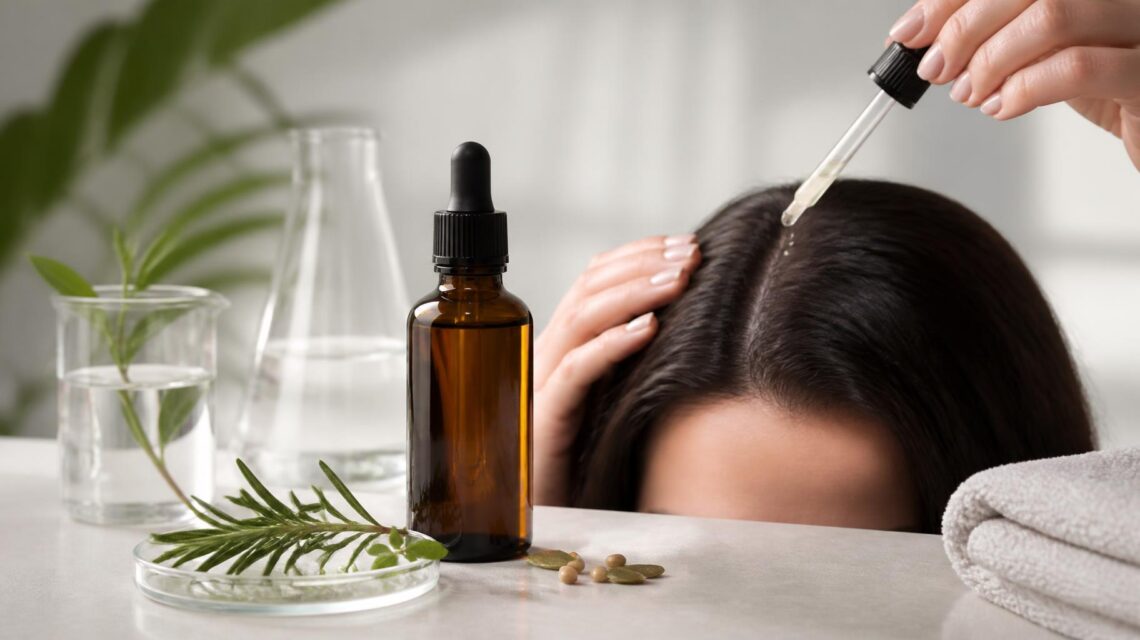
- Apply directly to a clean or relatively clean scalp
- Focus on thinning areas, temples, crown, or part line
- Massage gently for one to two minutes to distribute the formula
- Use consistently as directed, often daily or several times a week
- Avoid overloading the scalp with heavy oils at the same time
Patience is essential. Hair grows slowly, and most users need at least eight to twelve weeks of regular use before they can judge whether a product is helping.
Who Should Consider a Minoxidil Alternative Serum?
Not everyone wants to begin with a medicated hair treatment, and not every person dealing with thinning needs the same approach. A minoxidil alternative serum may be a good option for people who:
- Are just starting to notice mild thinning
- Want a lower-cost product to test first
- Prefer plant-based or cosmetic hair care formulas
- Have sensitive skin and want a gentler option
- Need support for scalp dryness and hair breakage
- Want to supplement an existing healthy hair routine
For people with significant or sudden hair loss, consulting a dermatologist is still the best step. Hair shedding can sometimes point to an underlying issue