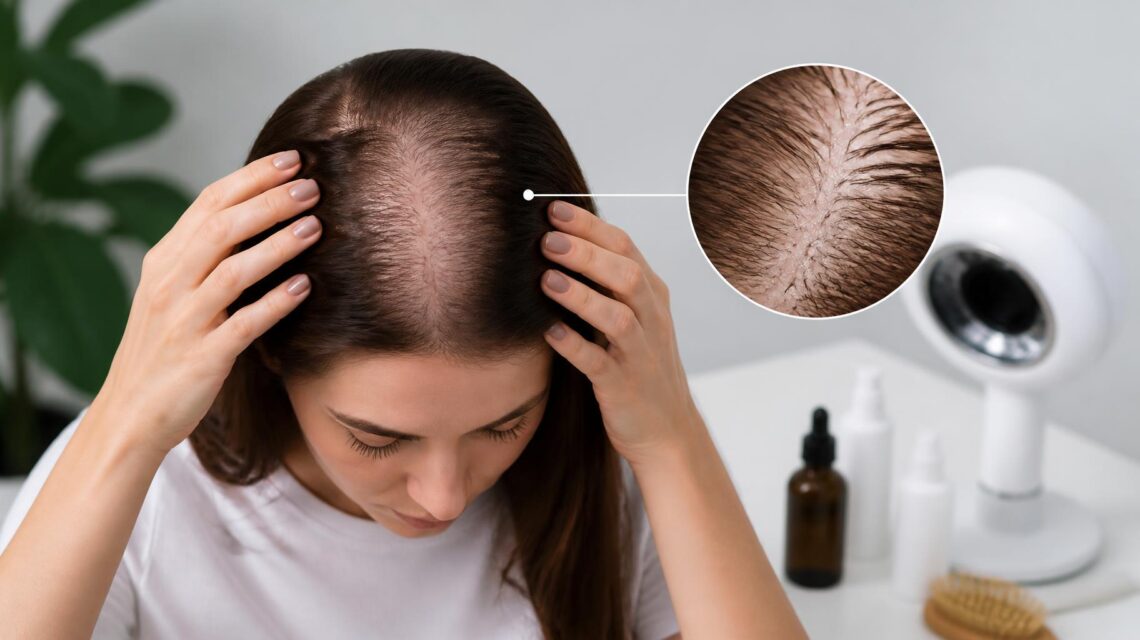
Noticing more hair in your brush, shower drain, or on your pillow can feel unsettling. Hair thinning is incredibly common, yet the causes are often misunderstood. While many people assume thinning hair is simply part of aging, your roots can actually reveal a much bigger story about your overall health, lifestyle, and hair care habits.
Hair does not thin overnight. In most cases, it changes gradually, giving subtle clues before the problem becomes obvious. Understanding what your scalp and roots are telling you can help you take smarter steps toward healthier, stronger-looking hair.
Understanding Hair Thinning at the Root
Every strand of hair begins in a follicle beneath the scalp. The root is where your hair receives nutrients, oxygen, and hormonal signals that affect how it grows. When something interferes with this process, the hair growth cycle can become disrupted, leading to shedding, slower regrowth, or finer strands over time.
Hair growth happens in three main stages:
- Anagen: The active growth phase, which can last several years.
- Catagen: A short transition phase when growth slows.
- Telogen: The resting phase, after which the hair sheds and a new one begins to grow.
When your body is under stress, lacking nutrients, or affected by hormonal shifts, more hairs can be pushed into the shedding phase too soon. This is why the condition of your roots often provides important insight into what is happening internally.
Common Reasons Hair Starts Thinning
Hair thinning can have many triggers, and often more than one factor is involved at the same time. Identifying the cause is key to finding the right solution.
Hormonal Changes
Hormones play a major role in regulating the hair growth cycle. Fluctuations related to pregnancy, postpartum recovery, menopause, thyroid imbalance, or conditions such as polycystic ovary syndrome can all contribute to noticeable thinning.
Androgen-related hair thinning is one of the most common long-term causes. In this case, follicles gradually shrink, producing finer, weaker hairs with each cycle until growth becomes sparse.
Nutritional Deficiencies
Your hair roots depend on a steady supply of nutrients to function well. If your body is low in certain vitamins or minerals, your hair may be one of the first places to show it.
Nutrients commonly linked to thinning hair include:
- Iron
- Vitamin D
- Zinc
- Biotin
- Protein
- B vitamins
Crash dieting, restrictive eating patterns, or poor overall nutrition can weaken the hair growth process and lead to increased shedding.
Stress and Emotional Strain
Physical or emotional stress can trigger a type of shedding called telogen effluvium. This often happens a few months after a major life event such as illness, surgery, grief, extreme anxiety, or sudden weight loss. Hair may come out more heavily than usual, but the good news is that this form of thinning is often temporary once the body recovers.
Scalp Health Issues
A healthy scalp supports healthy roots. When the scalp becomes inflamed, overly oily, clogged, or irritated, normal hair growth can suffer. Conditions such as dandruff, seborrheic dermatitis, psoriasis, and buildup from hair products can interfere with follicle function.
If your scalp feels itchy, sore, flaky, or unusually sensitive, it may be contributing to your thinning hair.
Damage from Styling and Hair Practices
Some hair care habits put too much tension or stress on the roots. Tight ponytails, braids, extensions, excessive heat styling, harsh bleaching, and frequent chemical treatments can all weaken the hair over time.
This kind of damage may lead to traction alopecia, where constant pulling causes the hairline or specific areas of the scalp to thin. In early stages, this can improve if the stress on the follicles is removed.
What Your Roots May Be Telling You
Your roots and scalp can offer useful clues about the type of thinning you are experiencing. Paying attention to patterns can make it easier to recognize whether the issue appears temporary, inherited, or related to your lifestyle.
Widening Part or Reduced Volume
If your part line gradually looks wider or your ponytail feels thinner, it may point to pattern hair loss or diffuse thinning. This is especially common in women and often develops slowly over time.
Excess Hair Shedding
If you notice large amounts of hair falling out during washing or brushing, stress-related shedding or nutritional imbalance may be involved. This type of thinning usually affects the whole scalp rather than one small area.
Receding Hairline or Broken Areas
Thinning around the temples or edges can suggest traction from hairstyles, hormonal changes, or inflammatory scalp conditions. If the roots are constantly strained, the follicles can become less productive.
Itchy, Flaky, or Tender Scalp
When thinning is paired with irritation, your scalp may be inflamed. Inflammation can disrupt the environment around the follicle, making it harder for strong strands to grow consistently.
How to Support Healthier Hair Growth
Although not every cause of hair thinning can be reversed quickly, there are practical ways to support your scalp and roots. Consistency matters more than quick fixes.
Focus on Scalp Care
A clean, balanced scalp creates a better environment for growth. Wash often enough to remove oil, sweat, and product buildup, but avoid overly harsh shampoos that strip the scalp.
Helpful scalp care habits include:
- Using a gentle shampoo suited to your scalp type
- Massaging the scalp to encourage circulation
- Avoiding heavy buildup from styling products
- Treating dandruff or irritation early
Improve Your Nutrition
Healthy hair growth starts from within. A balanced diet rich in protein, healthy fats, leafy greens, beans, eggs, nuts, seeds, and colorful vegetables can provide key building blocks for stronger strands.
If thinning is persistent, it may be worth discussing blood tests with a healthcare professional to check for low iron, thyroid issues, or vitamin deficiencies.
Reduce Tension and Heat
Looser hairstyles can make a big difference if your roots are under strain. Give your hair regular breaks from tight styles, high heat, and aggressive brushing.
Consider these root-friendly changes:
- Choose soft hair ties instead of tight elastics
- Limit flat irons and curling tools
- Lower the heat setting when styling
- Avoid sleeping in tight hairstyles
- Space out chemical treatments where possible
Manage Stress Levels
Because stress can affect the hair cycle, looking after mental and physical wellbeing can indirectly support regrowth. Simple habits like better sleep, regular exercise, mindfulness, and recovery time after illness can all help the body return to balance.
When to Seek Professional Advice
Some hair thinning improves with time and gentler care, but persistent or sudden changes should not be ignored. If you are unsure what is causing your hair to thin, a dermatologist or qualified healthcare provider can help assess the pattern, scalp condition, and possible internal factors.
You should consider professional advice if:
- The shedding feels sudden or severe
- You notice bald patches or visible scalp
- Your scalp is painful, inflamed, or very itchy
- Your hairline is rapidly changing
- You have symptoms such as fatigue, weight changes, or irregular periods alongside hair loss
Early evaluation can be especially important because some forms of hair loss respond better when treated sooner rather than later.
Myths About Hair Thinning
There is no shortage of misinformation around thinning hair, and many popular beliefs can delay proper care.
Myth: Washing Your Hair Causes Hair Loss
Washing does not cause hair loss. Shampooing simply loosens hairs that were already in the shedding phase. In fact, keeping the scalp clean is important for follicle health.
Myth: Cutting Hair Makes It Grow Back Thicker
Haircuts can make ends look fuller and healthier, but they do not change what is happening at the root. Growth begins in the follicle, not at the ends.