

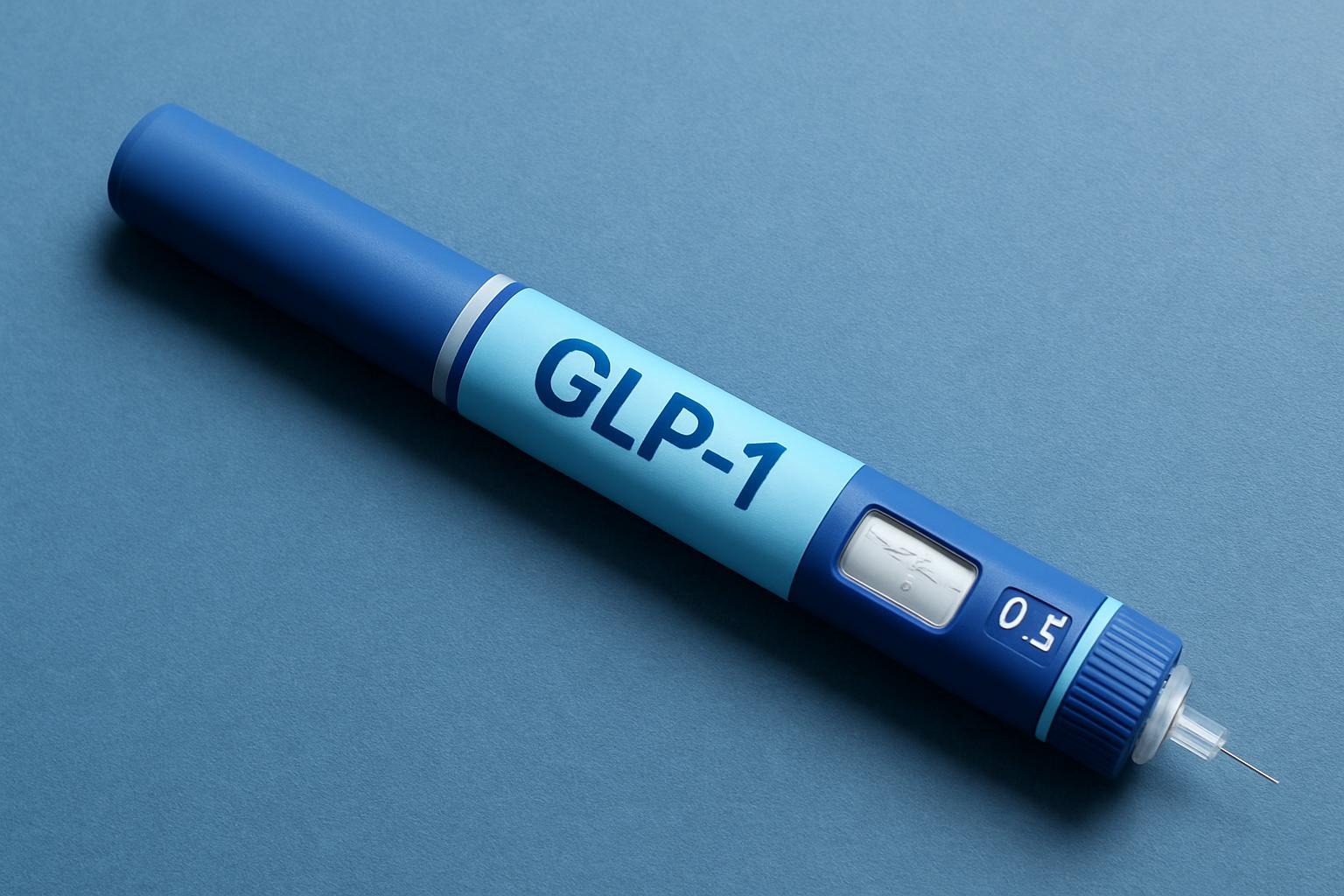
Understanding the Expanding Role of GLP-1 Agonists in Type 1 Diabetes
Glucagon-like peptide-1 receptor agonists, commonly known as GLP-1 agonists, have transformed the management of type 2 diabetes over the past decade. Originally developed to improve glycemic control, these medications have demonstrated significant cardiovascular and renal benefits in people with type 2 diabetes. Now, emerging research is exploring whether these same protective effects extend to individuals living with type 1 diabetes (T1D).
While insulin remains the cornerstone of therapy for type 1 diabetes, there is growing interest in adjunctive treatments that can improve outcomes beyond glucose control. In particular, cardiovascular disease and kidney complications remain leading causes of morbidity and mortality in this population. Understanding the potential of GLP-1 receptor agonists in this space is an exciting and evolving area of clinical research.
Why Cardiovascular and Kidney Outcomes Matter in Type 1 Diabetes
People with type 1 diabetes face a significantly increased risk of:
- Cardiovascular disease (CVD), including heart attack and stroke
- Chronic kidney disease (CKD) and diabetic nephropathy
- Heart failure
- Progressive vascular damage from long-term hyperglycemia
Even with optimal insulin therapy, many patients struggle to consistently achieve glycemic targets. In addition, factors such as weight gain, glucose variability, and inflammation contribute to long-term complications.
Historically, cardiovascular outcome trials have focused on therapies for type 2 diabetes. As a result, there has been limited data on whether newer agents like GLP-1 receptor agonists offer similar protective effects in type 1 diabetes. This gap in research has prompted investigators to evaluate their role more closely.
Mechanism of Action: How GLP-1 Agonists Work
GLP-1 receptor agonists mimic the natural incretin hormone GLP-1. Their mechanisms include:
- Enhancing glucose-dependent insulin secretion
- Suppressing inappropriate glucagon release
- Slowing gastric emptying
- Promoting satiety and weight loss
Beyond glycemic control, these agents have demonstrated additional benefits that may directly impact cardiovascular and kidney health:
- Reduction in systemic inflammation
- Improved endothelial function
- Lower blood pressure
- Weight reduction
- Decreased albuminuria
It is these pleiotropic effects that have driven interest in extending their use to people with type 1 diabetes.
Cardiovascular Outcomes: What the Evidence Suggests
In type 2 diabetes, several large cardiovascular outcome trials have shown that GLP-1 receptor agonists reduce:
- Major adverse cardiovascular events (MACE)
- Nonfatal myocardial infarction
- Nonfatal stroke
- Cardiovascular mortality
The key question is whether similar benefits can be observed in type 1 diabetes.
Emerging data indicates that GLP-1 agonists may improve cardiovascular risk markers in individuals with type 1 diabetes. These include reductions in:
- Body weight
- Systolic blood pressure
- Atherogenic lipid profiles
- Inflammatory biomarkers
Although large-scale cardiovascular outcome trials specifically in type 1 diabetes are still limited, early findings suggest that adjunctive GLP-1 therapy may help mitigate cardiovascular risk factors that traditional insulin therapy alone does not fully address.
Weight Loss and Cardiovascular Protection
Weight management plays a crucial role in reducing cardiovascular risk. Many individuals with type 1 diabetes experience weight gain due to intensive insulin therapy. GLP-1 receptor agonists have consistently demonstrated meaningful weight reduction, which may translate into:
- Improved insulin sensitivity
- Lower blood pressure
- Reduced cardiac workload
- Enhanced metabolic health
These effects may contribute indirectly but significantly to cardiovascular protection.
Renal Outcomes: Potential Kidney Protection
Diabetic kidney disease remains one of the most serious long-term complications of both type 1 and type 2 diabetes. In type 2 diabetes, GLP-1 receptor agonists have shown:
- Reduced progression of albuminuria
- Slower decline in estimated glomerular filtration rate (eGFR)
- Lower risk of composite renal outcomes
In type 1 diabetes, early investigations suggest possible renoprotective benefits, particularly in reducing albuminuria. The mechanisms behind kidney protection may include:
- Improved glycemic stability
- Reduced glomerular hyperfiltration
- Anti-inflammatory effects
- Lower blood pressure
While the renal benefits appear promising, more targeted studies are needed to confirm whether these medications meaningfully alter the long-term trajectory of kidney disease in type 1 diabetes.
Safety Considerations in Type 1 Diabetes
Despite the potential benefits, caution is required when using GLP-1 receptor agonists in individuals with type 1 diabetes.
Key safety considerations include:
- Risk of hypoglycemia when combined with insulin
- Potential for diabetic ketoacidosis (DKA) if insulin doses are reduced excessively
- Gastrointestinal side effects such as nausea and vomiting
Because GLP-1 agonists are not a substitute for insulin in type 1 diabetes, careful dose adjustment and close monitoring are critical. Education for both patients and clinicians is essential to minimize risks.
The Risk of Diabetic Ketoacidosis
One of the major concerns in adjunct therapies for type 1 diabetes is the potential for DKA, especially if insulin doses are reduced too aggressively. Patients using GLP-1 receptor agonists must:
- Maintain adequate basal insulin levels
- Monitor blood glucose and ketones regularly
- Understand early signs of DKA
With appropriate safeguards, the risk may be manageable, but it underscores the need for structured clinical oversight.
Clinical Implications and Future Directions
The exploration of GLP-1 receptor agonists in type 1 diabetes represents an important shift toward comprehensive risk reduction.
Rather than focusing solely on glucose metrics such as HbA1c, clinicians are increasingly prioritizing:
- Cardiovascular risk reduction
- Kidney protection
- Weight optimization
- Overall metabolic health
If ongoing research confirms cardiovascular and renal benefits in type 1 diabetes, GLP-1 agonists could become valuable adjunctive therapies for selected patients, particularly those who:
- Have overweight or obesity
- Exhibit cardiovascular risk factors
- Show early signs of kidney disease
- Struggle with glucose variability despite intensive insulin therapy
Large, randomized controlled trials specifically powered to evaluate hard cardiovascular and renal endpoints in type 1 diabetes remain a critical next step.
A Shift Toward Personalized Diabetes Care
The evolving research underscores a broader trend in diabetes management: personalized, multi-factorial care. Type 1 diabetes is no longer treated as a condition defined solely by insulin deficiency. Instead, it is recognized as a complex metabolic and cardiovascular disorder requiring comprehensive management.
GLP-1 receptor agonists may represent part of this broader strategy by addressing:
- Metabolic dysregulation
- Inflammatory pathways
- Cardio-renal risk
- Weight-related complications
As evidence grows, clinical guidelines may expand to incorporate these therapies more formally in carefully selected individuals with type 1 diabetes.
Conclusion
The investigation of GLP-1 agonists for cardiovascular and kidney outcomes in type 1 diabetes marks an important development in diabetes research. While insulin remains essential, adjunctive therapies that offer additional cardio-renal protection could significantly improve long-term outcomes.
Early data suggest potential benefits in weight reduction, cardiovascular risk markers, and kidney function indicators. However, safety considerations such as hypoglycemia and diabetic ketoacidosis must be carefully managed.
As research continues, GLP-1 receptor agonists may help reshape the treatment paradigm for type 1 diabetes, shifting the focus beyond glucose control to comprehensive cardiovascular and renal protection. For clinicians and patients alike, this represents a promising and potentially transformative step forward in optimizing long-term health outcomes.