What Is a GHK-Cu/KPV Blend?
A GHK-Cu/KPV blend combines two peptide compounds that are often discussed in skincare and cosmetic wellness: copper tripeptide-1, commonly known as GHK-Cu, and KPV, a short peptide derived from alpha-melanocyte-stimulating hormone. Together, they are marketed for their potential to support the appearance of healthier-looking skin, including skin that appears smoother, calmer, and more resilient.
Interest in peptide skincare has grown because peptides are involved in many biological processes, including communication between cells, tissue repair, and the production of structural proteins. However, a product containing GHK-Cu and KPV should not be viewed as a guaranteed treatment for wrinkles, acne, redness, scarring, or other medical skin conditions. The quality of evidence varies considerably, and the results of laboratory research do not always translate into predictable outcomes for people.
It is also important to distinguish between a professionally formulated topical cosmetic product and injectable or research-use peptide products. These forms may have different ingredients, concentrations, absorption profiles, risks, and regulatory considerations.
How GHK-Cu May Relate to Skin Appearance
GHK-Cu is a naturally occurring complex made from the copper ion and the tripeptide glycyl-L-histidyl-L-lysine. It has been studied in connection with wound healing, skin remodeling, and extracellular matrix support. The extracellular matrix is the framework surrounding skin cells, containing substances such as collagen, elastin, and hyaluronic acid.
As skin ages, collagen production may decline while environmental stressors, ultraviolet exposure, and repeated facial movement contribute to visible lines and reduced firmness. GHK-Cu is often included in cosmetic formulations because early research suggests it may help support processes associated with collagen and tissue maintenance.
From a skincare perspective, a GHK-Cu product may be promoted to help improve the look of:
- Fine lines and uneven texture
- Dull or tired-looking skin
- Reduced firmness and elasticity
- The appearance of minor skin damage
- Dryness associated with a weakened skin barrier
These potential benefits should be interpreted cautiously. Cosmetic results can depend on the formula, delivery system, concentration, storage conditions, frequency of use, and the individual’s skin type. A peptide serum cannot replace daily sun protection, a gentle cleanser, moisturiser, or clinically proven treatments when those are appropriate.
What Is KPV and Why Is It Used in Skincare Discussions?
KPV is a three-amino-acid fragment associated with alpha-melanocyte-stimulating hormone. It has attracted scientific interest because laboratory and preclinical research has examined its potential relationship with inflammatory pathways. For this reason, KPV is sometimes discussed in connection with skin that looks irritated, stressed, or prone to visible redness.
Although these findings are interesting, research involving KPV remains limited compared with the evidence available for established skincare ingredients such as sunscreen, retinoids, niacinamide, and certain forms of vitamin C. Much of the discussion around KPV comes from laboratory studies, animal research, early investigations, or anecdotal reports rather than large, high-quality human clinical trials.
In a GHK-Cu/KPV blend, KPV is generally positioned as a complementary peptide that may support a calmer-looking complexion, while GHK-Cu is associated with skin structure and repair processes. This combination is appealing because it targets several concerns at once: visible irritation, uneven texture, loss of firmness, and the overall appearance of skin quality.
Could a GHK-Cu/KPV Blend Support Healthier-Looking Skin?
Potentially, but the answer depends on what is meant by healthier-looking skin. A topical peptide blend may help some people achieve a more hydrated, smoother, or refreshed appearance, particularly when used consistently as part of a complete skincare routine. However, there is not enough robust clinical evidence to conclude that every GHK-Cu/KPV product will produce reliable or significant changes.
Several factors may influence whether a person notices a visible benefit:
- Product formulation: Peptides need to be delivered in a stable, skin-compatible formula.
- Consistency: Cosmetic ingredients generally require regular use over time rather than occasional application.
- Skin condition: Dry, irritated, oily, or sensitive skin may respond differently.
- Routine compatibility: The blend may perform differently depending on the other products used alongside it.
- Sun exposure: Ultraviolet radiation can undermine efforts to improve the appearance of premature ageing.
- Individual biology: Genetics, age, lifestyle, hormones, and existing skin conditions all affect results.
It is best to consider a GHK-Cu/KPV blend a supportive cosmetic option rather than a stand-alone solution. If the goal is smoother and more even-looking skin, the basics remain essential: broad-spectrum sunscreen, adequate moisturisation, gentle cleansing, sufficient sleep, and avoidance of smoking.
Topical Products Versus Injectable Peptides
One of the most important considerations is how the blend is intended to be used. Topical products, such as creams or serums, are applied to the skin and are generally formulated for cosmetic use. Injectable peptides are different. They may involve sterile-compounding concerns, uncertain dosing, potential systemic effects, and a greater risk of adverse reactions if obtained from unregulated sources.
Products labelled for research use are not automatically suitable for human use. Online sellers may make strong claims about skin rejuvenation, inflammation, or healing without providing reliable clinical evidence. There may also be concerns about contamination, incorrect concentrations, inadequate storage, and mislabelling.
Anyone considering an injectable peptide product should speak with a qualified healthcare professional. A clinician can discuss whether the product is appropriate, explain potential risks, and recommend evidence-based alternatives. Injecting a non-approved or poorly characterised substance can lead to infection, allergic reactions, tissue injury, or other complications.
How to Use a Topical GHK-Cu/KPV Product Safely
If a blend is being considered as part of a topical skincare routine, introduce it carefully. Begin by reviewing the full ingredient list rather than focusing only on the headline peptides. Preservatives, fragrances, solvents, and other active ingredients may affect how the product feels and whether it suits sensitive skin.
Practical usage tips
- Perform a patch test on a small area before applying the product widely.
- Follow the manufacturer’s directions and avoid using more than recommended.
- Apply to clean, dry skin unless the product instructions state otherwise.
- Use moisturiser to support the skin barrier, particularly if dryness occurs.
- Wear broad-spectrum SPF 30 or higher during the day.
- Stop use if persistent burning, swelling, rash, or severe irritation develops.
- Store the product according to its instructions, especially if it requires protection from heat or light.
Some people prefer to avoid layering copper peptide products with several strong actives at the same time. While ingredient compatibility depends on the specific formula, using multiple potentially irritating products can make it difficult to identify the cause of a reaction. A simple routine may be easier to tolerate and evaluate.
Possible Side Effects and Precautions
Topical peptide products are often tolerated well, but irritation is still possible. Reactions may include dryness, stinging, itching, redness, or small bumps. People with eczema, rosacea, a damaged skin barrier, or a history of contact dermatitis may need to be especially cautious.
There is less certainty surrounding the long-term safety of KPV-containing products because human evidence is limited. Pregnant or breastfeeding individuals, people taking medication for inflammatory or immune-related conditions, and those with an active skin disorder should seek professional advice before trying a novel peptide product.
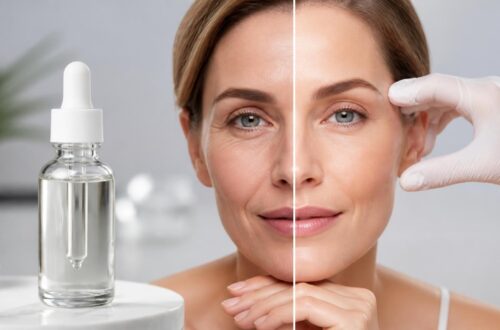
Do not apply a cosmetic peptide blend to broken, infected, or freshly treated skin unless a healthcare professional has specifically recommended it. It is also wise to avoid making decisions based solely on before-and-after photographs, as lighting, hydration, facial expression, and editing can create misleading impressions.
Where Does a GHK-Cu/KPV Blend Fit in a Skincare Routine?
A balanced routine usually provides more dependable support for healthier-looking skin than any single trendy ingredient. In the morning, a person might use a gentle cleanser, a peptide product if tolerated, moisturiser, and sunscreen. In the evening, cleansing and moisturising remain important, while a dermatologist may recommend a retinoid or another evidence-based active for specific concerns.
Patience is also essential. Skin renewal takes time, and visible improvements may be subtle. If a product causes ongoing irritation or produces no benefit after a reasonable trial, it may not be the right choice. A dermatologist can assess concerns such as persistent redness, pigmentation, acne, or unexplained changes in texture and recommend treatments supported by stronger evidence.
The Bottom Line
A GHK-Cu/KPV blend is an emerging peptide-based skincare concept that may help support the appearance of smoother, calmer, and more resilient skin. GHK-Cu is associated with skin structure and repair research, while KPV is studied for its potential relationship with inflammatory pathways. However, evidence for the combination, especially in humans, remains limited.
For the safest approach, choose a reputable topical formulation, patch test before regular use, follow the product instructions, and maintain the fundamentals of skincare, particularly daily sun protection. Be cautious with injectable or research-use products, and seek advice from a qualified healthcare professional before using them. Used realistically, a GHK-Cu/KPV blend may be a complementary addition to a thoughtful routine, but it should not be treated as a guaranteed anti-ageing or medical treatment.