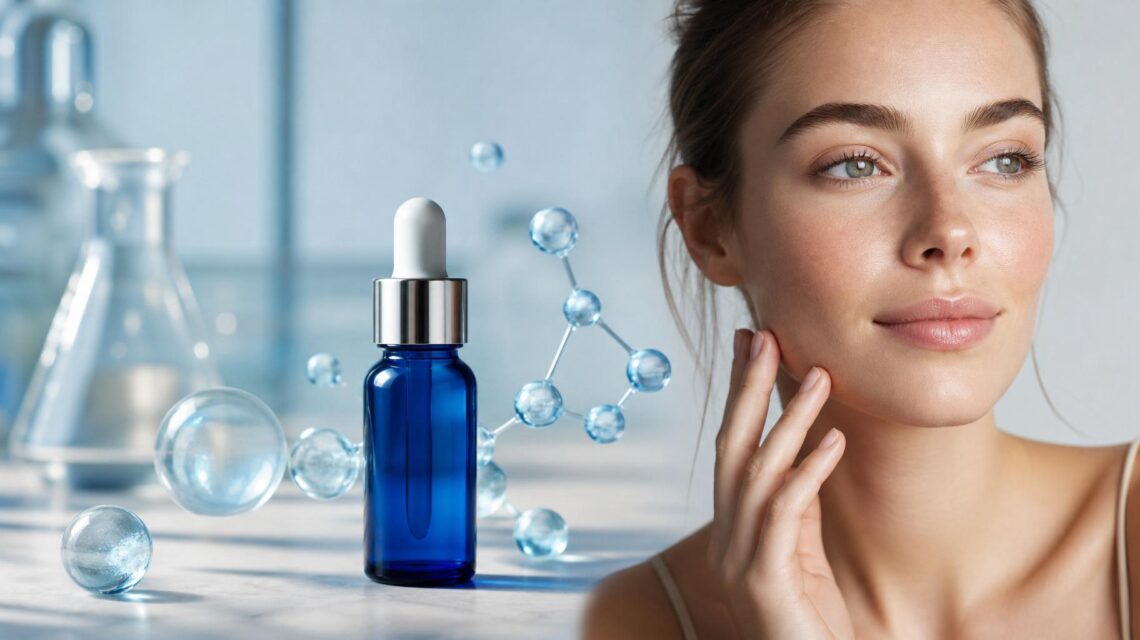
GHK-Cu copper peptide has quickly become one of the most talked-about ingredients in modern skincare. Found in serums, creams, and anti-aging treatments, this blue-tinted peptide has gained viral popularity for its reputation to support firmer, smoother, and healthier-looking skin. But with so much hype surrounding it, many people are asking the same question: is GHK-Cu actually worth adding to your skincare routine?
The short answer is that GHK-Cu shows real promise, especially for people focused on signs of aging, skin repair, and overall skin quality. While it is not a miracle ingredient, it has a strong reputation in both cosmetic skincare and scientific research for helping support skin renewal. Understanding what it is, how it works, and who may benefit most can help you decide whether it deserves a place on your shelf.
What Is GHK-Cu Copper Peptide?
GHK-Cu stands for glycyl-L-histidyl-L-lysine copper. It is a naturally occurring copper peptide found in the human body. In skincare, it is valued because it combines a small peptide with copper ions, creating a compound that can communicate with skin cells and help support the skin’s natural repair functions.
As we age, natural levels of this peptide decline. That has led skincare brands and researchers to explore whether applying it topically can help restore some of the skin-supporting benefits associated with younger skin. Because of this, GHK-Cu is often included in products marketed for:
- Fine lines and wrinkles
- Loss of firmness
- Dull or uneven skin texture
- Post-breakout marks
- Barrier support and skin recovery
It is especially popular among people who want anti-aging benefits without immediately turning to stronger actives that can irritate sensitive skin.
Why Copper Peptides Have Gone Viral
Skincare trends often explode because they promise visible improvement with less irritation than traditional ingredients. That is largely why copper peptides have become so popular online. Many users describe them as a gentler way to target aging concerns while also making skin look healthier overall.
Unlike exfoliating acids or prescription retinoids, copper peptides are often seen as more supportive than aggressive. Instead of forcing rapid turnover, they are believed to help the skin function better on its own. This makes them attractive to people who want a more balanced, skin-friendly approach to aging well.
Social media has also played a major role. Product before-and-after photos, influencer routines, and ingredient-focused discussions have all helped make GHK-Cu a standout ingredient. Still, virality does not always equal effectiveness, which is why it is important to look at the actual benefits.
Potential Benefits of GHK-Cu Copper Peptide
1. Supports Skin Repair
One of the biggest reasons people use GHK-Cu is its connection to skin healing and regeneration. Research has suggested that copper peptides may help support the body’s natural repair processes. In skincare, this can translate into skin that appears calmer, stronger, and more resilient over time.
This is one reason GHK-Cu is often recommended after skin stress, such as dryness, irritation, or environmental damage. While it is not a treatment for medical skin conditions, it may help promote a healthier-looking complexion.
2. May Improve the Appearance of Fine Lines and Wrinkles
GHK-Cu is frequently associated with anti-aging because it may encourage processes linked to collagen and elastin support. These are key components that help skin stay bouncy, smooth, and firm. As collagen naturally declines with age, the skin can begin to sag and wrinkle.
By supporting skin renewal, copper peptides may help soften the appearance of:
- Fine lines
- Crow’s feet
- Crepey texture
- Early loss of elasticity
Results are usually gradual rather than dramatic, which is important to remember. GHK-Cu is more about steady improvement than overnight transformation.
3. Helps Strengthen the Skin Barrier
A healthy skin barrier is essential for maintaining hydration and protecting against irritants. When the barrier becomes weakened, skin may feel dry, reactive, or easily inflamed. Copper peptides are often used in formulations aimed at helping the skin feel stronger and more balanced.
People with compromised or stressed skin sometimes prefer ingredients like GHK-Cu because they are designed to support function rather than strip or exfoliate. This can make the skin look smoother and less tired over time.
4. May Improve Skin Texture and Tone
Another reason GHK-Cu has developed such a loyal following is its reputation for improving overall skin quality. Users often report that their skin appears more even, refined, and radiant with continued use.
Although it is not usually considered a direct pigmentation treatment, healthier skin turnover and improved repair may help lessen the look of post-inflammatory marks and rough texture. This makes it appealing for people seeking a more polished, energized complexion.
5. Works Well in a Preventative Routine
Not every skincare ingredient needs to act like a peel or prescription treatment. Copper peptides are often valued because they fit into a preventative skincare routine. Rather than targeting one issue in an intense way, they support the long-term appearance of healthy skin.
This makes them especially relevant for adults who want to maintain skin quality and address early signs of aging before they become more noticeable.
Is There Scientific Support Behind the Hype?
GHK-Cu is not just a trendy cosmetic buzzword. It has been studied for its role in wound healing, tissue remodeling, and skin-related regeneration. Some research suggests it may influence pathways involved in repair and may stimulate components that contribute to youthful-looking skin.
That said, it is important to keep expectations realistic. Much of the excitement around copper peptides comes from promising laboratory and early clinical findings, along with strong anecdotal support in skincare communities. However, not every over-the-counter product is created equal, and results depend heavily on formulation, concentration, and consistency of use.
In other words, there is enough evidence to justify interest, but not enough to treat it like magic. GHK-Cu appears promising, useful, and worth considering, especially in well-formulated products from reputable brands.
Who Should Try GHK-Cu?
GHK-Cu may be a good option for a wide range of skincare users, especially those looking for supportive anti-aging benefits. It may be particularly useful for:
- People noticing early signs of aging
- Those wanting a gentler alternative to stronger actives
- Anyone focused on skin barrier health
- People with dull, tired-looking skin
- Users interested in long-term skin maintenance
It can also be a smart choice for people who cannot tolerate highly active routines filled with exfoliants and retinoids every night. Copper peptides may offer a more measured approach.
How to Use Copper Peptides in a Skincare Routine
Most GHK-Cu products come in serum form, though you can also find moisturizers and targeted treatments. They are commonly applied after cleansing and before heavier creams.
For best results:
- Apply to clean, dry skin
- Use once or twice daily, depending on the product
- Follow with a moisturizer to seal in hydration
- Wear sunscreen during the day to protect results
Consistency matters more than intensity. Since copper peptides work gradually, regular use over several weeks or months is usually needed before you see meaningful improvement.
What Should You Not Mix With Copper Peptides?
One of the most common questions about GHK-Cu is how it fits with other skincare ingredients. Some users prefer not to layer copper peptides in the same routine as strong direct acids or pure vitamin C, largely out of caution regarding stability and possible reduced effectiveness.
While skincare opinions vary, a simpler approach is often best if you are trying copper peptides for the first time. You might use them in a separate routine from highly active products, such as:
- Exfoliating acids like glycolic acid or lactic acid
- Strong low-pH vitamin C formulas
- Intensive resurfacing treatments
This does not mean they cannot exist in the same overall skincare regimen. It often just means alternating them between morning and evening or on different days.
Are There Any Downsides?
For
Related Reading
- GHK-Cu Explained: What Copper Peptides Actually Do to Skin
- GHK-Cu and Skin Health: The Copper Peptide Revolution
- Copper Peptides Ruined My Skin? Common Mistakes and How to Recover
Sources
- Pickart L, Margolina A. Regenerative and Protective Actions of the GHK-Cu Peptide in the Light of the New Gene Data. International Journal of Molecular Sciences. 2018;19(7):1987. Link