

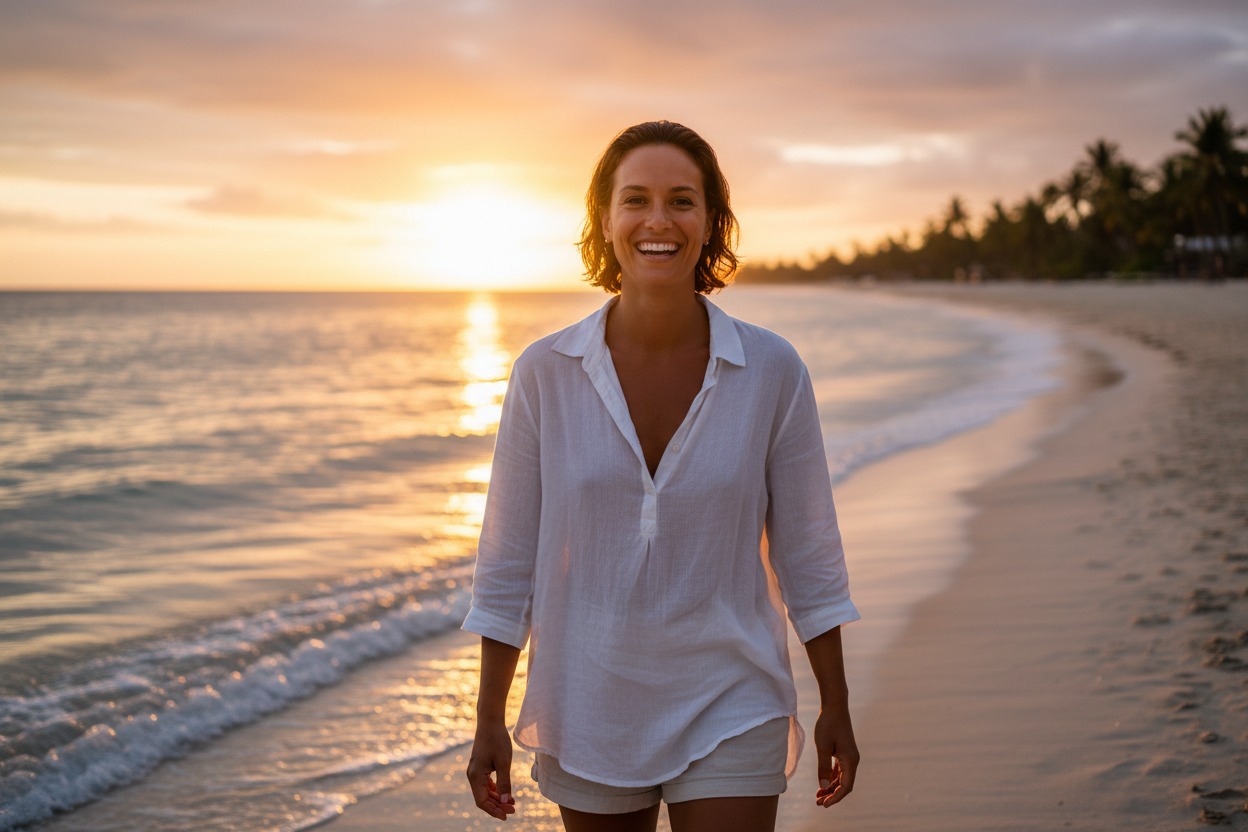
Rising Popularity of Tanning on the Gold Coast Raises Alarms Among Health Experts
Sun-soaked beaches, year-round warm weather, and a coastal lifestyle make Queensland’s Gold Coast one of Australia’s most vibrant destinations. However, behind the allure of bronzed skin and endless summer lays a growing health concern that experts warn could have long-lasting consequences. The latest trend toward achieving the perfect tan—whether through prolonged sun exposure, tanning oils, or solarium use—is beginning to raise serious concerns within the medical community.
Dermatologists and public health specialists are now sounding the alarm over what they describe as a “dangerous obsession with tanning.” Their message is simple: while a golden glow might be associated with health and vitality, the pursuit of it could be doing more harm than good.
The Cultural Allure of the Golden Glow
For decades, bronzed skin has been tied to Australian beach culture—a symbol of fitness, outdoor living, and beauty. Social media has only amplified this image, with influencers frequently posting sun-drenched photos on white-sand beaches, inadvertently fueling an aesthetic that encourages excessive UV exposure.
Yet, this beauty ideal carries a serious health risk. Experts note that while moderate sun exposure supports vitamin D production, too much ultraviolet (UV) radiation directly damages the DNA in skin cells. Over time, this damage can trigger changes that lead to skin cancer.
Why the Gold Coast’s Environment Increases the Risk
The Gold Coast region receives some of the highest levels of UV radiation in Australia. The weather, combined with outdoor leisure lifestyles and tourism, means that many residents and visitors are exposed for extended periods to the sun—often without adequate protection.
According to the Cancer Council Queensland, the state has one of the highest rates of melanoma in the world. On the Gold Coast, local dermatologists are seeing a disturbing rise in both melanoma and non-melanoma skin cancers—particularly among younger adults who have spent their teenage and early adult years chasing that darker complexion.
Skin Cancer by the Numbers
- Two in three Australians will be diagnosed with skin cancer before the age of 70.
- Queensland consistently records some of the nation’s highest incidence rates of melanoma.
- Sunburn on as little as one or two occasions each year can significantly increase a person’s lifetime risk of skin cancer.
- Regular tanning—natural or artificial—leads to cumulative UV damage that may not show for years.
While these numbers are unsettling, they highlight why experts are pushing for education and prevention. Despite decades of public health campaigns, the misconception that a tan equates to health or beauty remains deeply entrenched.
The Myth of the “Safe Tan”
Many individuals still believe that a “base tan” protects against sunburn or that tanning slowly reduces skin cancer risks—these are myths. Dermatologists emphasize that any darkening of the skin is actually a sign of cellular stress and UV injury.
A tan, they explain, is the skin’s defense mechanism—melanin production increases to help absorb and dissipate UV radiation. However, this natural response is far from foolproof. In reality, there is no such thing as a safe tan.
Solariums and Self-Tanning Products
Although commercial tanning beds (solariums) have been banned across Australia since 2015, some illegal or private setups still circulate in communities or on social media. These devices emit concentrated UV radiation levels up to six times stronger than midday sun exposure—making them exceptionally hazardous.
Self-tanning lotions or sprays, on the other hand, are considered a safer alternative because they only color the outer layer of the skin without damaging DNA. However, experts warn that even those who use fake tans should still maintain strict sun protection habits, as these products **do not provide UV protection** unless explicitly stated.
Mounting Evidence and Public Health Concerns
Dr. Karen Mitchell, a Gold Coast dermatologist, says she’s treating more patients under 30 with suspicious moles and early-stage melanomas than ever before. “We’re seeing people who believe that looking tanned means looking healthy—but often, they’ve been unknowingly accumulating significant sun damage,” she explains.
Recent studies indicate that repeated sun exposure—especially during childhood and adolescence—has a compounding effect. By the time skin changes or pigment spots become visible, the cellular damage may have been occurring quietly for years.
The Gold Coast’s reputation as a tourism and outdoor living hub makes educational efforts especially important. Many visitors are unaware of how quickly the sun can burn compared to other parts of the world. Public health experts argue that tanning is essentially a **form of skin damage normalized through culture and marketing**.
Modern Campaigns and Prevention Initiatives
Efforts are underway to shift social attitudes. Health authorities are reinforcing campaigns like “Slip, Slop, Slap, Seek, Slide”—a message urging Australians to:
- Slip on protective clothing.
- Slop on SPF 50+ sunscreen.
- Slap on a wide-brimmed hat.
- Seek shade whenever possible.
- Slide on sunglasses to protect the eyes.
While these messages have been part of Australian sun safety education for decades, experts are now focusing on making them resonate with digital-age audiences. Social media platforms, particularly those popular with teens and young adults, are being leveraged to promote safe skin habits and challenge the idea that pale skin is unattractive.
Schools and Community Outreach
Gold Coast schools are introducing updated health modules to discuss tanning myths and the long-term impact of unprotected sun exposure. Local councils also partner with beaches and sports clubs to ensure easy access to shade areas and sunscreen stations, especially during high UV seasons.
Community dermatology clinics host free skin-check days, encouraging early detection. Medical professionals stress that **regular skin checks can save lives**, given that melanoma is highly treatable when caught early.
Economic and Emotional Impact of Skin Cancer
Beyond physical health, skin cancer carries an emotional and financial toll. Treatments for melanoma can involve surgery, immunotherapy, and prolonged monitoring—procedures that are not only expensive but also life-altering. Survivors often describe the ongoing anxiety of recurrence and heightened vigilance required for skin exams.
Additionally, workplaces and insurers face increased healthcare costs due to absenteeism and long-term treatment. Public health agencies point out that skin cancer remains **one of the most preventable forms of cancer**, yet accounts for substantial portions of Australia’s healthcare expenditure each year.
What Residents and Tourists Can Do
Whether living on the Gold Coast or visiting for a beach holiday, there are simple, evidence-based steps to lower risk:
- Check the daily UV index and plan outdoor activities accordingly.
- Apply a broad-spectrum SPF 50+ sunscreen at least 20 minutes before going outside—and reapply every two hours.
- Avoid sun exposure during peak hours (10am to 3pm).
- Wear comfortable, breathable protective clothing, including long sleeves and a wide-brim hat.
- Use self-tanning products if a golden tone is desired—without exposing skin to harmful rays.
- Perform regular self-examinations of your skin, noting any new or changing moles, freckles, or spots.
- Schedule professional skin checks with a dermatologist at least once a year.
Reframing Beauty Standards
Experts emphasize that shifting how people perceive beauty is critical to reducing tanning-related risks. Just as campaigns in recent years have broadened definitions of body positivity and wellbeing, the goal is to celebrate all skin tones as healthy and beautiful.
Social influencers and content creators who promote natural skin and SPF advocacy are helping to redefine what “healthy skin” means. The trend is slowly shifting from appearance to self-care, focusing on **confidence, prevention, and longevity** rather than color.
Conclusion: Health Over Aesthetics
The rise in tanning trends on the Gold Coast reflects a deeper cultural fascination with image and identity—but it doesn’t have to come at the cost of health. Dermatologists and public health experts agree: the most beautiful skin is **healthy, protected skin**.
By combining awareness, education, and action, residents and tourists alike can reduce their cancer risk while still enjoying the outdoors that make the Gold Coast so iconic. The bronzed look may fade, but the damage caused by ultraviolet exposure can last a lifetime. Choosing protection today ensures not only safer skin but also a brighter, healthier tomorrow.