The skincare world moves fast, but every so often a breakthrough ingredient shifts the conversation in a lasting way. For years, peptides, hyaluronic acid, ceramides, and growth-factor-inspired formulas have dominated premium skincare. Now, a new category is generating serious attention in clinics, labs, and luxury beauty launches alike: exosomes.
Often described as one of the most exciting frontiers in regenerative beauty, exosomes are being positioned as a next-generation ingredient with the potential to support skin renewal, calm visible irritation, and improve the overall appearance of aging or stressed skin. As beauty consumers become more educated and ingredient-focused, interest in exosome skincare is quickly rising.
But what exactly are exosomes, why are they being compared to peptides, and are they truly the next hero ingredient in advanced skincare? Here is what you need to know.
What Are Exosomes in Skincare?
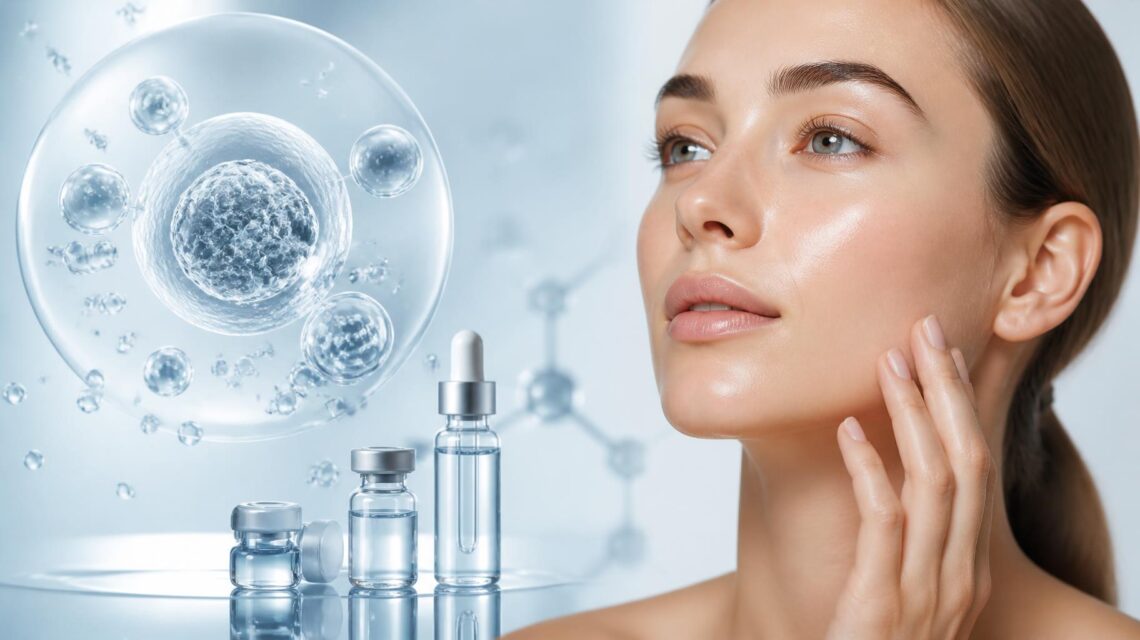
Exosomes are tiny extracellular vesicles naturally released by cells. Their role in biology is to help cells communicate by transporting important molecules such as proteins, lipids, and signaling compounds. In skincare and aesthetic medicine, this communication ability is what makes exosomes so intriguing.
Rather than acting like a simple moisturizing or exfoliating ingredient, exosomes are valued for their potential to support the skin’s own repair and renewal processes. In professional settings, they are often discussed in connection with post-treatment recovery and skin rejuvenation.
In simpler terms, exosomes can be understood as messengers. They help deliver signals that may encourage healthier-looking skin behavior. That is a major reason they are being discussed as a step beyond more familiar active ingredients.
Why Exosomes Are Different From Traditional Skincare Ingredients
Most classic skincare ingredients work in relatively straightforward ways:
- Humectants like hyaluronic acid attract water to the skin.
- Exfoliating acids remove dead skin cells from the surface.
- Peptides support the skin by signaling processes related to firmness and smoothness.
- Antioxidants help defend against environmental stress.
Exosomes are different because they are not just one isolated compound. They are tiny delivery systems containing multiple bioactive components. That complexity is one reason they are attracting interest as a more advanced approach to skin support.
Why Exosomes Are Being Called Beauty’s Next Hero Ingredient
The term hero ingredient is usually reserved for actives that reshape routines and consumer demand. Retinol, vitamin C, niacinamide, and peptides all earned that status by delivering targeted benefits and widespread appeal. Exosomes are now entering that conversation for several key reasons.
1. They Align With the Rise of Regenerative Beauty
Modern beauty is moving beyond surface-level skincare. Consumers increasingly want formulas that do more than temporarily hydrate or smooth. They are looking for ingredients associated with long-term skin quality, resilience, and recovery. Exosomes fit perfectly into this trend because they are linked to the concept of regenerative support.
Rather than only masking visible concerns, exosome-focused skincare aims to help skin appear stronger, calmer, and more balanced over time.
2. They Build on the Popularity of Peptides
Peptides have become one of the beauty industry’s favorite ingredients because they are associated with communication inside the skin. They are often promoted for helping improve the look of fine lines, elasticity, and texture.
Exosomes go a step further in the public imagination because they are also tied to cellular communication, but in a broader and more sophisticated way. This is why they are often described as moving beyond peptides. While peptides are still highly valuable, exosomes offer a more complex signaling platform that feels especially innovative.
3. They Are Linked to Professional Aesthetic Treatments
Exosomes are gaining traction not only in retail skincare but also in the medical aesthetics space. They are frequently mentioned in relation to procedures such as microneedling, lasers, and other in-office treatments where skin recovery and visible rejuvenation are top priorities.
This association with high-performance, clinic-led beauty adds to their prestige. As consumers become more inspired by dermatology and aesthetic medicine, ingredients used in professional environments often gain strong mainstream appeal.
Potential Benefits of Exosomes for Skin
Although exosome skincare is still an emerging category, the excitement around it comes from its possible role in supporting several visible skin goals. Depending on the product and formulation, exosomes may be marketed for benefits such as:
- Improving the look of skin texture
- Supporting a firmer, smoother appearance
- Reducing the appearance of redness and post-treatment stress
- Enhancing radiance and overall skin vitality
- Helping skin look more resilient and refreshed
One of the strongest areas of interest is their potential use in calming and supporting skin after cosmetic procedures. This has made exosomes particularly appealing to both practitioners and consumers seeking more advanced recovery-focused skincare.
Exosomes and Skin Barrier Support
Another reason exosomes are drawing notice is their possible impact on skin barrier wellness. A healthy skin barrier is central to hydration, comfort, and protection from external stressors. When the barrier is compromised, skin can look dull, irritated, or prematurely aged.
Because exosomes are associated with communication and repair support, they are being explored as ingredients that may help skin look less reactive and better able to maintain balance.
Exosomes vs Peptides: What Is the Difference?
Since exosomes are being framed as a development beyond peptides, it helps to compare the two.
Peptides
Peptides are short chains of amino acids that can act as signaling molecules in the skin. They are widely used in anti-aging skincare because they may help improve the appearance of wrinkles, laxity, and dehydration. Peptides are established, versatile, and found in many serums and creams.
Exosomes
Exosomes are microscopic vesicles that can carry a variety of signaling materials. Instead of delivering one singular function, they may offer a broader communication-based approach. This makes them especially compelling in premium and science-driven skincare.
The key difference is that peptides are typically one class of active ingredient, while exosomes are more like a biological delivery system containing multiple relevant components. That distinction helps explain why so many in beauty view exosomes as an exciting new category rather than just another trend.
Why Luxury Beauty Brands Are Embracing Exosomes
Whenever a new ingredient combines science, exclusivity, and visible-results potential, luxury beauty brands pay attention. Exosomes check all three boxes.
They have a high-tech image, they are still relatively new to the consumer market, and they fit neatly into the premium skincare narrative of innovation-backed performance. Beauty shoppers are increasingly willing to invest in products that feel clinically inspired and future-facing, especially in categories tied to aging well and skin optimization.
Exosomes also appeal to a consumer who has already tried standard anti-aging staples and is ready for something more advanced. In that sense, they are well-positioned as an aspirational next step in skincare routines.
Are Exosomes the Future of Post-Procedure Skincare?
One of the strongest opportunities for exosomes may be in post-procedure skincare. After treatments like microneedling or laser resurfacing, skin often needs supportive care that promotes comfort and a healthy-looking recovery period. Exosomes are increasingly mentioned as a promising option in this space.
This does not mean they replace medical advice or procedure-specific aftercare, but it does highlight where much of the industry excitement is currently centered. If post-procedure skincare becomes a bigger focus in mainstream beauty, exosomes could become one of its most important categories.
What Makes Post-Treatment Use So Appealing?
- They are associated with skin communication and recovery support.
- They align with the clinical skincare trend.
- They appeal to consumers seeking visible improvement after advanced treatments.
- They fit into the broader movement toward regenerative aesthetics.
What Consumers Should Know Before Buying Exosome Skincare
As with any emerging beauty ingredient, not all products will be equal. The term exosomes may generate attention, but formulation quality, source, stability, supporting ingredients, and brand credibility all matter.
Consumers interested in trying exosome skincare should consider the following:
- Check brand transparency about sourcing and technology.
- Look at the full ingredient list, not just the headline active.