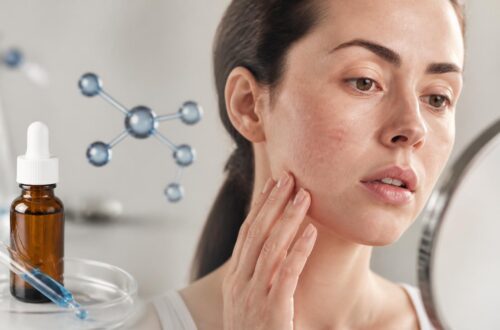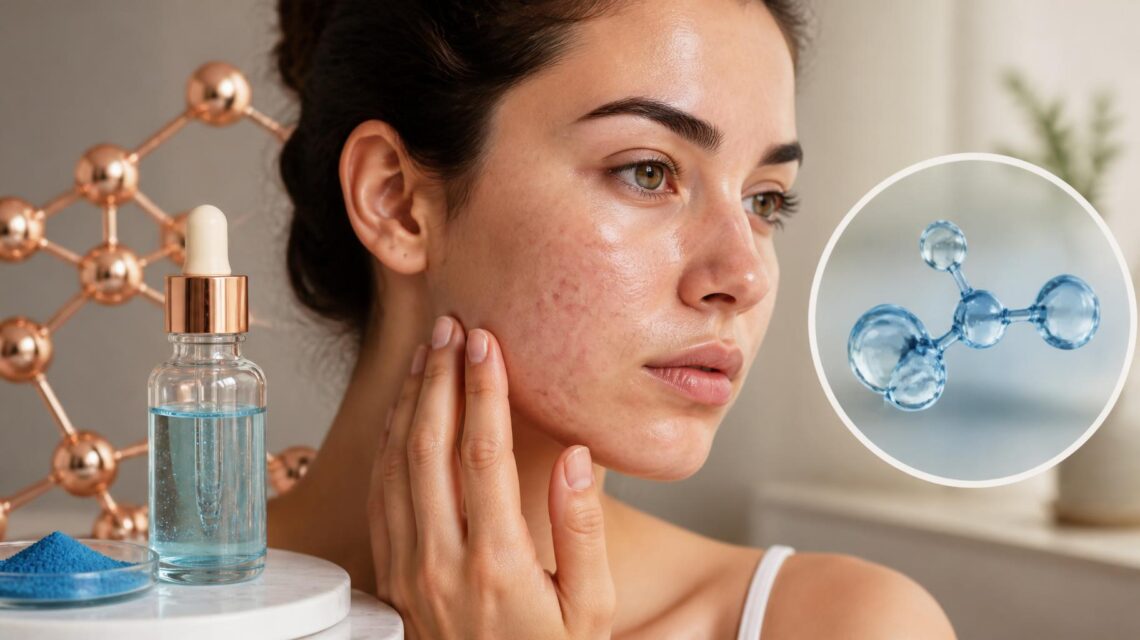
Copper peptides have become a popular ingredient in anti-ageing skincare, thanks to their reputation for supporting collagen, improving skin texture and helping the complexion look firmer. However, some people notice redness, bumps, dryness or breakouts after introducing them. Online, this reaction is often called copper uglies.
The phrase sounds alarming, but copper uglies is not a recognised medical diagnosis. It is an informal skincare term used to describe a temporary or persistent period of skin worsening that some users associate with copper peptide products. Understanding the possible causes can help you decide whether your skin is adjusting, reacting to irritation or simply not tolerating the formula.
What Are Copper Uglies?
Copper uglies generally refers to an undesirable change in the skin after starting a copper peptide serum, cream or treatment. The reaction may occur within a few days, although some people notice changes after several weeks of use.
Commonly reported symptoms include:
- Small red or flesh-coloured bumps
- Increased dryness or flaking
- Redness, warmth or stinging
- New blemishes or clogged pores
- Uneven texture
- Itching or tightness
- A dull or rough-looking complexion
Some skincare users describe this as an adjustment period, while others believe it is a form of purging. In reality, copper peptides do not behave exactly like exfoliating acids or retinoids, which are the ingredients most commonly linked with genuine skin purging. If your skin becomes worse, the cause may be irritation, an allergic reaction, another ingredient in the product or the way the product has been combined with the rest of your routine.
What Are Copper Peptides?
Copper peptides are small chains of amino acids bound to copper ions. One of the best-known forms used in skincare is GHK-Cu, also called copper tripeptide-1. These ingredients are often included in products designed to support the appearance of ageing, damaged or environmentally stressed skin.
Research into copper peptides has suggested potential benefits for skin repair, collagen production, elasticity and wound healing. However, the strength of evidence varies depending on the specific ingredient, concentration and product formulation. Results from laboratory studies or professional treatments do not always translate directly to an over-the-counter serum.
Copper peptides are usually marketed as gentle alternatives to stronger anti-ageing ingredients. Even so, gentle does not mean risk-free. Any active skincare ingredient can cause irritation, especially when used too frequently or applied alongside several other actives.
Why Can Copper Peptides Make Skin Look Worse?
1. Irritation from the formula
The copper peptide itself may not be the only factor responsible for a reaction. Serums can also contain preservatives, fragrance, essential oils, solvents, botanical extracts or exfoliating ingredients. These supporting ingredients may trigger redness, dryness or bumps, particularly in sensitive skin.
A product may also be highly concentrated or formulated at a pH that feels uncomfortable. Applying it to damp skin can sometimes increase penetration and make stinging more noticeable. If your face feels hot, sore or persistently tight after application, irritation is more likely than a normal adjustment period.
2. Too many active ingredients at once
Many people begin a new copper peptide product while already using retinol, vitamin C, exfoliating acids or acne treatments. Layering multiple actives can weaken the skin barrier and make even a well-tolerated product feel harsh.
Signs of a stressed skin barrier include flaking, burning, increased sensitivity, redness and sudden reactions to products that previously caused no problems. This can create the impression that copper peptides are causing all the damage when the real issue is an overly complicated routine.
3. A reaction to another ingredient
Breakouts or itching may be caused by ingredients such as rich emollients, silicones, oils, fragrance or preservatives rather than copper peptides. If a product contains several new ingredients, it can be difficult to identify the trigger without simplifying your routine.
Contact dermatitis is another possibility. This can cause redness, itching, swelling or a rash in areas where the product has been applied. A delayed reaction may appear hours or even days after use.
4. Overuse
Using more product does not necessarily produce faster results. Applying a copper peptide serum several times a day, using a high-strength formula immediately or combining it with numerous treatments may increase the chance of irritation.
Skin often responds better to a gradual introduction. A small amount used a few times per week may be more appropriate than applying a generous layer every day from the beginning.
5. Confusion between purging and breakouts
A true purge occurs when an ingredient speeds up the shedding of skin cells and brings existing blockages to the surface more quickly. This is most associated with retinoids and exfoliating acids. Copper peptides are not primarily exfoliants, so a sudden acne flare should not automatically be labelled as purging.
If spots appear in areas where you do not normally break out, if they continue to worsen or if they last for more than several weeks, the product may be contributing to congestion or irritation. Persistent acne is a reason to stop and reassess rather than continuing in the hope that the skin will eventually adjust.
How Long Do Copper Uglies Last?
There is no fixed timeline because copper uglies can describe several different reactions. Mild dryness caused by overuse may improve within a few days after reducing application. A damaged skin barrier may take several weeks to recover. Allergic or acne-related reactions may continue until the triggering product is removed.
A brief period of mild adjustment is different from ongoing inflammation. Skin should not become increasingly painful, swollen or irritated. If symptoms continue to get worse, it is safer to stop using the product rather than wait for an expected transformation.
How to Use Copper Peptides Safely
Introducing copper peptides slowly can reduce the risk of unwanted reactions. Consider the following approach:
- Perform a patch test on a small area of the jawline or inner arm before applying the product to your entire face.
- Start with two applications per week and increase gradually if your skin remains comfortable.
- Use a small amount on clean, dry skin unless the product instructions state otherwise.
- Keep the rest of your routine simple while testing the new product.
- Apply a moisturiser to support the skin barrier.
- Wear broad-spectrum sunscreen every morning.
- Introduce only one new skincare product at a time.
If your skin is already irritated, pause copper peptides and focus on a gentle cleanser, fragrance-free moisturiser and daily sunscreen. Avoid scrubs, strong acids and other potentially irritating treatments until the skin feels comfortable again.
Can You Use Copper Peptides with Other Ingredients?
Ingredient compatibility can depend on the specific product and the advice provided by the manufacturer. Many skincare experts recommend keeping copper peptides separate from strong direct acids, pure vitamin C formulas and potent retinoids when first starting. This does not mean these ingredients can never be included in the same routine, but using them together may increase the possibility of irritation or reduce the stability of certain formulas.
A simple schedule may be easier to tolerate. For example, copper peptides could be used on alternate evenings, while a retinoid or exfoliating acid is used on different nights. Always follow the product instructions and introduce changes gradually.
When Should You Stop Using Copper Peptides?
Stop using the product if you experience intense burning, significant swelling, hives, blistering, severe itching or rapidly spreading redness. Seek medical advice promptly if you have facial swelling, breathing difficulty or signs of a serious allergic reaction.
You should also consider discontinuing copper peptides if mild but persistent irritation does not improve after simplifying your routine. A skincare ingredient is not essential, and no anti-ageing benefit is worth prolonged discomfort or inflammation.
A dermatologist can help determine whether the problem is acne, contact dermatitis, rosacea, folliculitis or a damaged skin barrier. Professional advice is particularly important if you have eczema, highly reactive skin or a history of allergies.
Are Copper Peptides Worth Trying?
Copper peptides may offer useful skin-supporting benefits for some people, but they are not a guaranteed solution for wrinkles, scars or uneven texture. Results depend on the formulation, consistent use, sun protection and the overall health of the skin barrier.
The best approach is to treat copper peptides as an optional active rather than a miracle ingredient. Start slowly, avoid introducing several new products at once and pay attention to how your skin feels. Mild, temporary dryness may be manageable, but ongoing redness, painful bumps or worsening breakouts should not be ignored.
The Bottom Line on Copper Uglies
Copper uglies is a popular term for skin that appears worse after starting copper peptide skincare. It may involve dryness, redness, bumps, breakouts or sensitivity. However, copper peptides are not known to cause a classic purge in the same way as retinoids or exfoliating acids. The reaction is more likely to involve irritation, overuse, a weakened skin barrier, ingredient sensitivity or an unsuitable formula.
Introduce copper peptides carefully, keep your routine uncomplicated and stop if your skin becomes persistently uncomfortable. With a cautious approach, you can determine whether the ingredient supports your skin or whether it is better left out of your routine.