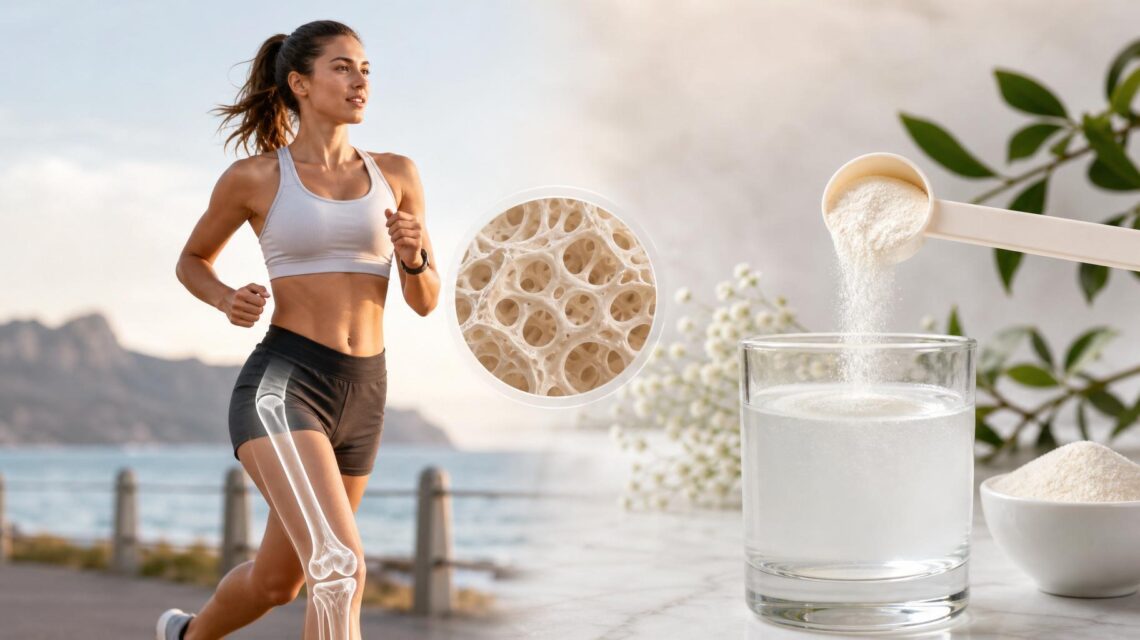
Female runners put extraordinary demands on their bodies. Every stride places repeated stress on the legs, joints, and skeleton, making bone health a major priority for both performance and long-term wellness. Recent interest in collagen peptides has grown as more athletes and health professionals explore nutritional ways to support stronger bones, healthier connective tissue, and improved recovery.
For women who run regularly, maintaining bone strength is especially important. Training volume, calorie restriction, hormonal fluctuations, and inadequate nutrient intake can all negatively affect bone density over time. That is why the topic of collagen peptides and bone support is gaining so much attention in the running community.
Why Bone Health Matters for Female Runners
Running is a weight-bearing activity, which can be beneficial for the skeleton. In many cases, regular impact exercise helps stimulate bone remodeling and maintain strength. However, when training loads become excessive or recovery is inadequate, the same repetitive impact may increase the risk of stress injuries.
Female runners may face unique challenges that make bone health even more important. Low energy availability, irregular menstrual cycles, and nutrient deficiencies can all contribute to weaker bones. This is often discussed in relation to the Female Athlete Triad or the broader concept of Relative Energy Deficiency in Sport, also known as RED-S.
When the body does not receive enough fuel to support both exercise and essential biological functions, it may begin to compromise bone formation. Over time, this may raise the likelihood of:
- Stress fractures
- Reduced bone mineral density
- Slower recovery from training
- Increased injury risk
- Long-term skeletal weakness
Because of these concerns, female runners are increasingly looking beyond calcium alone and considering a more complete nutritional approach that includes protein, vitamin D, collagen-building nutrients, and supportive recovery habits.
What Are Collagen Peptides?
Collagen is the most abundant protein in the human body. It is a key structural component of bones, tendons, ligaments, cartilage, skin, and connective tissues. In bones, collagen forms the flexible framework that helps support mineralization and overall strength.
Collagen peptides are small, easily digested pieces of collagen protein that are commonly used in powder or supplement form. Because they are hydrolyzed, they dissolve well and are convenient to add to drinks, smoothies, or recovery meals.
Unlike complete proteins such as whey, eggs, or soy, collagen peptides are not typically taken as a primary muscle-building protein source. Instead, they are valued for providing specific amino acids, including:
- Glycine
- Proline
- Hydroxyproline
These amino acids play an important role in the structure of connective tissues, including those involved in bone support.
How Collagen Peptides May Support Bone Health
Bone is not made of minerals alone. While calcium and phosphorus often receive the most attention, the underlying protein matrix is just as important. Much of that matrix is made from collagen. Without a strong collagen framework, bones would not have the same resilience or capacity to handle repeated impact.
For runners, this distinction matters. Healthy bones need both density and flexibility. Collagen contributes to the internal structure that helps bones absorb force without breaking down under repetitive loading.
Emerging research suggests collagen peptide supplementation may help support bone metabolism and structural integrity, particularly when combined with exercise and an overall balanced diet. In female runners, this could be especially relevant because of the constant skeletal demand created by training.
Potential Benefits of Collagen Peptides for Runners
- Supports the collagen matrix in bones, which may contribute to skeletal resilience
- Provides targeted amino acids involved in connective tissue structure
- May complement weight-bearing exercise, which is already beneficial for bone maintenance
- Could support recovery in athletes exposed to repetitive impact stress
- May also benefit tendons and ligaments, which are essential for running performance
Although collagen peptides are not a magic solution, they may be a useful addition to a broader bone-support strategy for women who run frequently.
The Connection Between Collagen, Training, and Recovery
Distance running and high-volume training do not just affect bones. They also stress the entire connective tissue network. Tendons, ligaments, fascia, and joints all need proper nutritional support to adapt to training loads.
This is one reason collagen has become popular among endurance athletes. A runner with healthy connective tissue is better positioned to maintain consistency, recover well, and reduce interruptions caused by overuse injuries.
Some experts suggest that collagen peptides may be particularly useful when paired with exercise because physical loading stimulates tissue remodeling. In simple terms, nutrition provides raw materials, while training gives the body a reason to use them. This concept is especially important for runners trying to stay strong through seasons of repetitive impact.
For female runners, the goal is not only to run more miles, but to build a body that can tolerate those miles over time. That is where collagen peptides may fit into an injury-prevention and recovery-focused plan.
Other Nutrients Female Runners Need for Strong Bones
While collagen peptides are promising, they work best as part of a larger nutritional foundation. Bone health depends on many nutrients and lifestyle factors working together.
Key Bone-Supporting Nutrients
- Calcium for bone mineralization
- Vitamin D to help absorb and use calcium effectively
- Protein for tissue repair and skeletal support
- Magnesium for bone structure and muscle function
- Phosphorus as a major mineral component of bone
- Vitamin K for healthy bone metabolism
- Vitamin C because it supports collagen synthesis
A female runner who supplements with collagen peptides but neglects overall nutrition may not see the full benefit. Adequate calories, balanced macronutrients, and consistent micronutrient intake remain essential.
How Female Runners Can Use Collagen Peptides
Collagen peptides are typically sold as unflavored or lightly flavored powders. They can be mixed into coffee, water, smoothies, yogurt, or post-run recovery drinks. Many athletes prefer using them daily as part of a long-term wellness routine rather than expecting immediate results.
Some research on connective tissue has examined intakes in the range of around 10 to 20 grams per day, often combined with vitamin C to support collagen formation. However, needs can vary depending on total diet, training intensity, and personal health status.
Practical ways to include collagen peptides in a runner’s routine include:
- Adding them to a morning smoothie with fruit rich in vitamin C
- Mixing them into oatmeal or yogurt after a workout
- Using them in a recovery shake on heavy training days
- Taking them consistently as part of a bone-support plan
Female runners should also remember that supplements are most effective when paired with adequate recovery, resistance training, and sufficient calorie intake.
Can Collagen Peptides Prevent Stress Fractures?
This is one of the biggest questions runners ask. The honest answer is that collagen peptides alone cannot guarantee stress fracture prevention. Stress fractures are complex injuries influenced by training load, biomechanics, menstrual health, recovery patterns, footwear, sleep, and overall diet.
However, because collagen is part of bone structure and connective tissue function, it may play a supportive role in reducing vulnerability when used as part of a complete strategy. Think of collagen peptides as one piece of the puzzle rather than the entire solution.
The most effective stress fracture prevention plan usually includes:
- Gradual training progression
- Adequate calorie intake
- Proper protein and micronutrient support
- Hormonal health monitoring
- Strength training
- Rest and recovery days
- Early attention to aches and overuse symptoms
Who May Benefit Most?
Collagen peptides may be especially appealing for:
- Female distance runners with high weekly mileage
- Masters runners