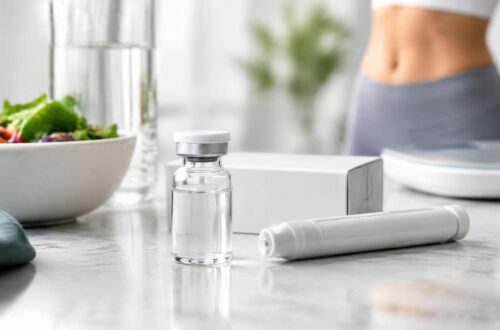
Interest in recovery-focused peptides has grown rapidly, and BP 157 peptide is often mentioned in online discussions about exercise recovery, tissue support, and general wellness. However, it is important to clarify that BP-157 is not a well-established, approved human medicine. In many cases, people may actually be referring to BPC-157, an experimental peptide that has been studied primarily in laboratory and animal research.
This distinction matters. Although early research has generated interest, there is currently limited high-quality evidence showing that BPC-157 or products marketed as BP-157 are safe and effective for everyday use in humans. Anyone considering a peptide product should understand the potential benefits, limitations, legal considerations, and safety concerns before making a decision.
What Is BP 157 Peptide?
BP-157 is not a widely recognized pharmaceutical compound with a clearly established clinical profile. The name is sometimes used interchangeably with BPC-157, a synthetic peptide derived from a protective protein found in gastric juice. BPC-157 has attracted attention because laboratory studies have explored its possible role in tissue repair, blood vessel formation, and inflammatory processes.
Researchers have investigated BPC-157 in animal models involving injuries to muscles, tendons, ligaments, nerves, and the digestive system. These studies have produced interesting findings, but animal research does not automatically translate into proven benefits for people. The human body can respond differently, and controlled clinical trials are necessary to determine whether a substance is safe, effective, and appropriate for medical use.
Products sold online as BP-157 or BPC-157 may also vary significantly in quality. Because many are marketed for research purposes rather than approved medical treatment, their purity, concentration, storage conditions, and manufacturing standards may be difficult to verify.
Why Are People Interested in BP 157?
The appeal of BP-157 peptide is largely connected to the idea of supporting the body’s natural recovery processes. Athletes, active adults, and people dealing with persistent aches may come across claims suggesting that experimental peptides can help with healing or reduce downtime. These claims are often based on preclinical research, anecdotal reports, or promotional material rather than large, well-designed human studies.
Interest commonly centers on several possible areas:
- Recovery after exercise or physical strain
- Support for tendons, ligaments, and other connective tissues
- Management of inflammation-related discomfort
- Digestive tract and stomach lining research
- General interest in regenerative medicine
These areas are being explored scientifically, but they should not be presented as confirmed outcomes. At this stage, there is not enough reliable evidence to recommend BP-157 or BPC-157 as a routine recovery supplement.
Potential Benefits Being Investigated
Muscle and Connective Tissue Recovery
Some animal studies involving BPC-157 have examined changes in injured muscles, tendons, and ligaments. Researchers have proposed that the peptide may influence processes involved in blood flow, collagen organization, and tissue repair. This has led to considerable interest among individuals who experience sports-related strains or repetitive-use injuries.
Still, a promising laboratory result is only an early step. It does not establish the correct human dose, how the compound should be administered, how long it should be used, or whether the potential benefits outweigh the risks. Proper diagnosis is also essential because pain can result from many different conditions that require specific treatment.
Inflammation and Discomfort
Another area of interest is the possible relationship between BPC-157 and inflammatory signaling. Inflammation is a complex biological response involved in injury, infection, autoimmune disease, and many chronic conditions. Modifying inflammation without understanding its cause could potentially mask symptoms or interfere with normal healing.
For everyday recovery, proven strategies such as appropriate rest, gradual activity, physical therapy, adequate nutrition, and professional evaluation remain more dependable than experimental peptides.
Digestive Health Research
BPC-157 was originally connected to research involving the gastrointestinal system. Preclinical studies have investigated its possible effects on the stomach lining and intestinal tissues. This research is one reason the compound continues to receive attention in regenerative medicine discussions.
However, it should not be used as a substitute for diagnosis or treatment of ulcers, reflux, inflammatory bowel disease, gastrointestinal bleeding, or unexplained abdominal pain. Digestive symptoms can sometimes indicate a serious condition, and delaying medical care may create additional risks.
What Does the Human Evidence Show?
The biggest limitation surrounding BP-157 and BPC-157 is the lack of robust human evidence. There are not enough large, randomized, peer-reviewed clinical trials to confirm that these peptides reliably improve recovery or produce meaningful health benefits in everyday users.
Online testimonials may describe impressive results, but personal experiences are not a substitute for controlled research. People may recover naturally, change their training habits, use other treatments, or experience placebo effects at the same time. Without carefully designed studies, it is difficult to know whether a peptide caused the improvement.
Researchers also need to establish important safety information, including possible effects on the cardiovascular system, immune system, liver, kidneys, hormones, and abnormal cell growth. Long-term risks remain uncertain, particularly when products are obtained from unregulated sources.
Safety and Quality Concerns
Peptides purchased online may carry risks that go beyond the compound itself. Products labeled for research use may not be manufactured under the same controls required for approved medicines. Potential concerns include:
- Incorrect dosage or concentration
- Contamination with bacteria, endotoxins, or other substances
- Mislabeling or substitution with a different compound
- Improper storage and reduced stability
- Unsafe injection practices
- Unknown interactions with prescription medicines
Injectable products introduce additional dangers, including skin infections, abscesses, tissue damage, and blood-borne illness from contaminated or reused equipment. Even when a product appears professionally packaged, appearance alone does not prove its identity, sterility, or purity.
People with cancer, liver or kidney disease, cardiovascular conditions, autoimmune disorders, or hormone-sensitive conditions should be especially cautious about unapproved peptide products. Pregnant or breastfeeding individuals should avoid experimental substances unless specifically advised by a qualified healthcare professional.
BP 157 Peptide and Everyday Recovery
For most people, everyday recovery is best supported by consistent, evidence-based habits. These strategies may seem less dramatic than an experimental peptide, but they have a stronger safety record and can be adapted to individual needs.
- Prioritize sleep: Most adults benefit from a regular sleep schedule and sufficient nighttime rest.
- Eat enough protein: Protein-rich foods provide amino acids needed for muscle maintenance and repair.
- Stay hydrated: Fluid needs increase with heat, exercise, and prolonged physical activity.
- Progress gradually: Increasing training volume or intensity too quickly can raise the risk of injury.
- Use active recovery: Gentle movement may support mobility without adding excessive strain.
- Seek professional assessment: Persistent pain, swelling, weakness, or reduced function deserves medical attention.
Physical therapists, sports medicine clinicians, and registered dietitians can help create a recovery plan based on the person’s injury history, training demands, health conditions, and goals.
Legal and Regulatory Considerations
The regulatory status of BPC-157 and products marketed as BP-157 can differ by country and may change over time. A compound being available for purchase online does not mean it has been approved for human use. In some sporting environments, experimental peptides may also raise anti-doping concerns.
Athletes should check the rules of their governing organization before using any peptide product. They should also understand that products labeled as supplements may contain undeclared ingredients. When competitive eligibility or professional licensing is involved, the safest approach is to discuss all substances with a qualified sports medicine professional and review current anti-doping guidance.
Questions to Ask Before Considering an Experimental Peptide
Anyone researching BP-157 peptide should consider the following questions:
- Is the product approved for human use in my country?
- Are there high-quality human clinical trials supporting its use?
- Can the manufacturer verify identity, sterility, and purity?
- Could it interact with my medicines or medical conditions?
- Am I using it to avoid getting an appropriate diagnosis?
- What evidence-based alternatives are available?
Discussing these questions with a healthcare professional can help separate legitimate medical information from marketing claims. A clinician can also investigate the underlying cause of slow recovery or recurring pain rather than simply focusing on symptom relief.
Final Thoughts on BP 157 Peptide
BP-157 peptide, often confused with BPC-157, is an experimental compound that has generated interest because of early laboratory research into tissue repair, inflammation, and digestive health. These findings are scientifically interesting, but they do not prove that the peptide provides safe or effective benefits for everyday recovery in humans.
Until stronger clinical evidence becomes available, consumers should approach online claims with caution and avoid treating unapproved peptides as established therapies. Sleep, nutrition, sensible training, rehabilitation, and professional medical guidance remain the most reliable foundations for recovery. If you are considering BP-157 or BPC-157, speak with a qualified healthcare provider first and make sure you understand the potential risks, unknowns, and regulatory issues.