If you are searching for a non-invasive way to support fuller, healthier-looking hair, a product marketed as a ‘Botox in a Bottle’ hair growth serum is bound to catch your attention. With hair thinning concerns on the rise, consumers are increasingly looking for topical solutions that fit easily into a daily routine without the cost or commitment of in-office treatments. This review explores what makes this type of hair serum appealing, how it may work, what ingredients matter most, and whether it deserves a place in your haircare lineup.
Hair growth serums have become one of the most talked-about categories in beauty because they promise visible results with minimal effort. But not every formula lives up to the hype. A strong serum should do more than simply coat the hair. It should target the scalp environment, support the hair follicle, reduce breakage, and improve the appearance of density over time. That is exactly why this ‘Botox in a Bottle’ concept has generated so much interest.
What Does ‘Botox in a Bottle’ Mean for Hair?
Despite the name, a hair growth serum described as ‘Botox in a Bottle’ does not contain injectable Botox. Instead, the phrase is used as a beauty shortcut to suggest a smoothing, revitalizing, and age-defying effect. In the context of haircare, it usually refers to a formula designed to:
- Improve the look of thinning hair
- Support scalp health
- Strengthen weak strands
- Reduce visible signs of hair stress and breakage
- Create a fuller, healthier appearance over time
The nickname is clever because it positions the serum as a quick and convenient beauty fix. However, like all topical hair products, results depend on the ingredients, consistency of use, and the underlying cause of hair thinning.
Why Hair Growth Serums Are So Popular Right Now
Hair wellness has become a major beauty focus. Many people are dealing with stress-related shedding, postpartum hair changes, seasonal thinning, hormonal shifts, heat damage, and overstyling. This has led to increased demand for products that help restore confidence without requiring dramatic treatments.
A well-formulated serum is especially attractive because it can be added to an existing routine. There is no need for an appointment, little downtime, and in most cases, no major learning curve. For busy users, that convenience matters.
Consumers are also getting smarter about scalp care. The scalp is now seen as an extension of skincare, and that has changed the way people shop for growth products. Rather than focusing on cosmetic shine alone, buyers want formulas that nourish the foundation of healthy hair.
Key Features to Look for in a Hair Growth Serum
When reviewing a serum in this category, a few performance factors stand out. A quality product should be lightweight enough for regular use but concentrated enough to deliver results with continued application.
1. Scalp-Friendly Formula
The best hair serums are designed with the scalp in mind. If a formula is too greasy, heavily fragranced, or irritating, it may discourage consistent use. A comfortable, fast-absorbing serum has a better chance of becoming part of a daily routine.
2. Strengthening Ingredients
Hair growth is not just about stimulating follicles. It is also about protecting what you already have. Many users notice better results when a serum helps reduce breakage, making hair appear denser as fewer strands are lost to weakness.
3. Hydration and Barrier Support
A dry, inflamed, or imbalanced scalp can interfere with healthy-looking hair. Serums that help calm and hydrate the scalp may create a more supportive environment for stronger growth.
4. Consistency Over Instant Results
Any trustworthy review should mention that hair growth takes time. Products that promise overnight transformation should be approached carefully. Most topical serums require several weeks or months of consistent use before noticeable changes appear.
Ingredients That Often Make a Difference
Although individual formulas vary, the most effective hair growth serums often rely on a combination of botanical extracts, peptides, proteins, and scalp-conditioning ingredients. Here are some common categories worth paying attention to:
- Peptides: Often used to support stronger-looking hair and help improve the appearance of density.
- Biotin: A popular addition in strengthening formulas, especially for brittle or weak strands.
- Caffeine: Frequently included in scalp products aimed at energizing the hair root area.
- Plant extracts: Ingredients such as rosemary, ginseng, or saw palmetto may be used in hair wellness formulas.
- Niacinamide: Can help support scalp balance and improve skin barrier function.
- Hyaluronic acid or humectants: Useful for maintaining scalp hydration.
- Proteins and amino acids: Help reinforce the look and feel of damaged hair.
If the serum you are considering includes a thoughtful blend of these ingredients, that is generally a positive sign. However, ingredient quality and formulation matter just as much as the ingredient list itself.
How This Type of Serum May Benefit Different Hair Types
One reason products in this category appeal to such a broad audience is that they can often be used across multiple hair types and textures. Whether your hair is straight, wavy, curly, or coily, thinning and breakage can affect anyone.
For Fine Hair
Fine hair benefits most from lightweight formulas that do not flatten the roots. A non-greasy serum can help improve the appearance of fullness without making hair feel coated.
For Curly and Textured Hair
Curly and textured hair is often more prone to dryness and breakage. A serum that supports the scalp while helping strands stay conditioned can be especially beneficial.
For Chemically Treated Hair
Bleaching, coloring, relaxing, and frequent heat styling can all compromise hair integrity. A strengthening serum may help reduce visible stress while promoting a healthier scalp environment.
What to Expect From Real-World Use
A realistic review should set practical expectations. A hair growth serum like this is not a miracle cure, and it is not a replacement for medical advice if you are experiencing sudden or severe hair loss. That said, users may notice a few positive changes with ongoing use.
- Hair may feel stronger and less prone to snap
- The scalp may feel more balanced and hydrated
- Shedding may appear reduced over time
- Hair may look fuller due to improved strand condition
- New growth may become more noticeable with regular application
Visible improvement often happens gradually. Early wins may be more about reduced breakage and healthier texture than dramatic regrowth. Over time, these smaller changes can add up to a more substantial difference in how the hair looks and feels.
How to Use a Hair Growth Serum for Best Results
Even the best formula can underperform if it is not used correctly. To get the most out of a serum in this category, consistency is essential.
Application Tips
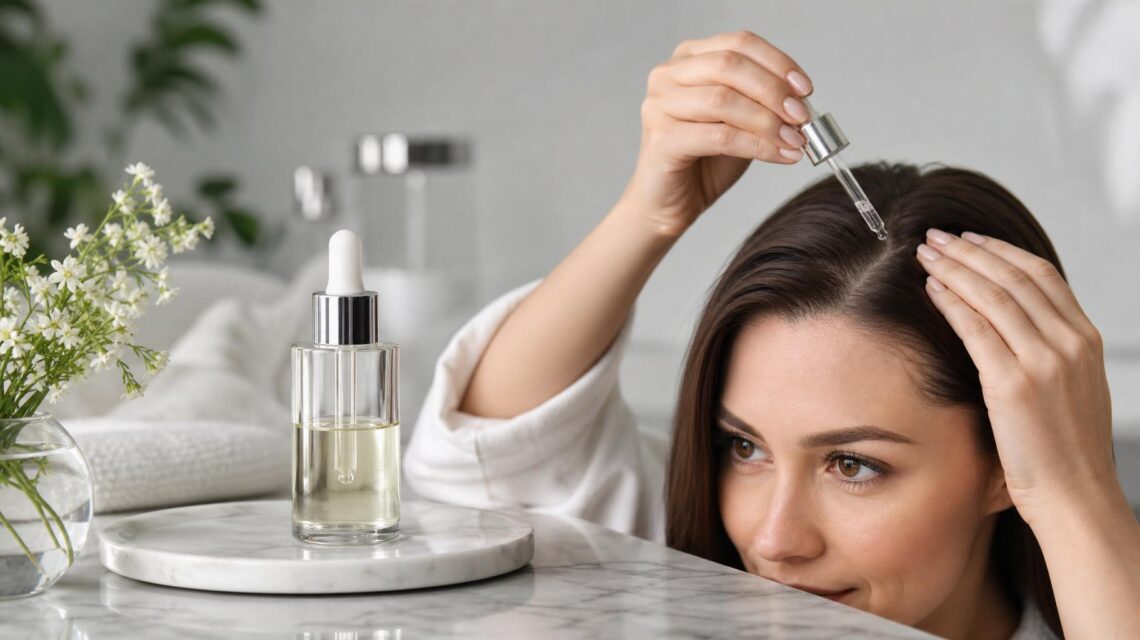
- Apply directly to a clean scalp where thinning or weakness is most noticeable
- Massage gently to encourage even distribution
- Use as directed, whether daily or several times per week
- Avoid overapplying, especially if your scalp gets oily easily
- Pair it with a gentle shampoo and a scalp-friendly routine
Taking progress photos every few weeks can also help. Since changes happen slowly, photos often reveal improvement more clearly than day-to-day observation.
Potential Drawbacks to Consider
No product is perfect, and a balanced review should include possible downsides. Depending on the formula, some users may find that certain serums are too expensive for long-term use, too lightly concentrated, or slow to show visible benefits. Others may not respond well to fragranced formulas or specific botanical ingredients.
It is also important to understand that hair loss has many causes. If thinning is related to hormones, nutritional deficiencies, medication, or medical conditions, a cosmetic serum may offer only limited support on its own. In those cases, professional guidance is the