In the fast-moving world of skincare innovation, few categories generate as much excitement as ingredients that promise to support the skin at a deeper level. For years, peptides have dominated conversations around repair, firmness, and healthy aging. Now, a new contender is drawing serious attention from beauty brands, researchers, and skincare enthusiasts alike: exosomes.
Exosomes are being positioned as one of the most advanced frontiers in modern beauty. While still emerging in mainstream skincare, they are already being discussed as a next-generation ingredient with the potential to transform how we think about rejuvenation, recovery, and skin communication. As beauty moves toward more science-led formulations, exosomes are stepping into the spotlight as a powerful topic worth understanding.
What Are Exosomes in Skincare?
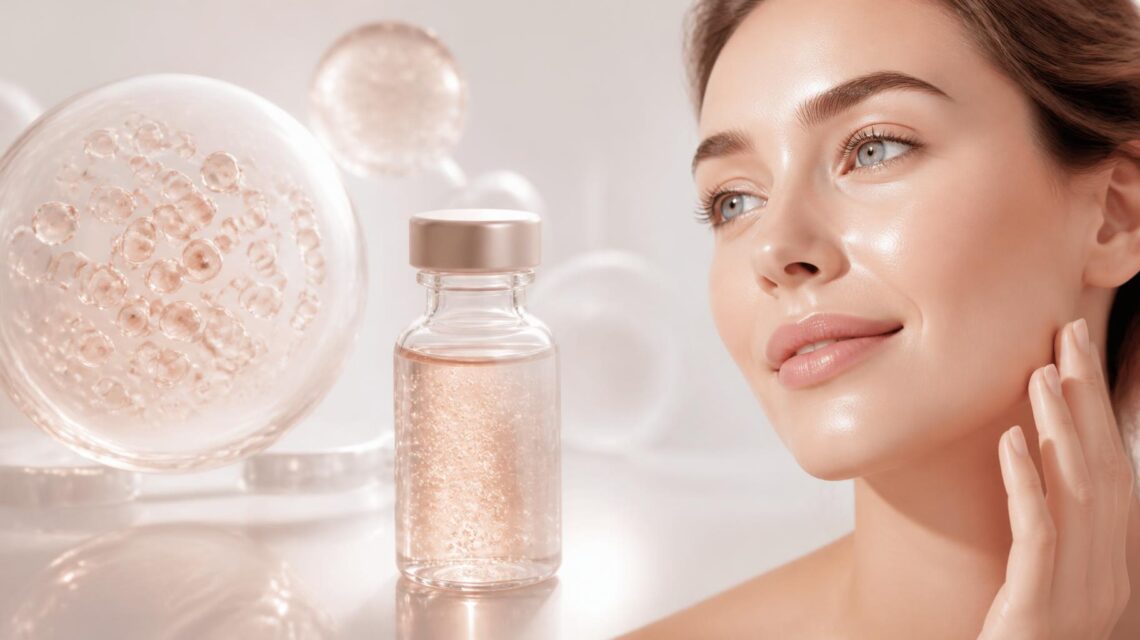
Exosomes are tiny extracellular vesicles naturally released by cells. Their main role is communication. They carry signaling molecules such as proteins, lipids, and genetic material between cells, helping regulate different biological processes. In simple terms, they act like microscopic messengers that tell cells how to respond, repair, and function.
In the skincare space, this communication function is what makes exosomes so intriguing. Instead of simply sitting on the surface of the skin or delivering a temporary cosmetic effect, exosomes are being explored for their ability to support the skin’s natural regenerative behaviors.
That is a major reason why exosomes are being described as going beyond peptides. While peptides are known for signaling skin to carry out certain tasks, exosomes may offer a broader and more sophisticated signaling system.
Why the Beauty Industry Is Paying Attention
The modern beauty consumer wants more than quick fixes. There is rising interest in skincare that is:
- Backed by science
- Focused on skin health rather than just surface appearance
- Supportive of repair and resilience
- Compatible with aesthetic treatments
Exosomes fit neatly into this new vision of beauty. As demand grows for high-performance products that work in harmony with the skin, exosomes are becoming a standout ingredient category in luxury skincare, clinical skincare, and post-procedure recovery products.
Exosomes vs. Peptides: What Is the Difference?
Peptides have long been valued because they are short chains of amino acids that help signal the skin to produce collagen, improve elasticity, or strengthen the skin barrier. They remain effective and relevant. However, exosomes are generating buzz because their role is potentially more complex and more comprehensive.
Where peptides often deliver a single or targeted message, exosomes can carry a package of bioactive information. This may include multiple signals that influence inflammation, regeneration, and cellular behavior at once.
That does not necessarily mean exosomes replace peptides entirely. Instead, they may represent the next evolution in ingredient technology.
Key Differences Between Exosomes and Peptides
- Peptides are individual molecules designed to signal specific skin responses.
- Exosomes are vesicles that transport multiple signaling compounds between cells.
- Peptides are already well established in mass-market skincare.
- Exosomes are newer, more advanced, and often associated with professional or high-end formulations.
- Peptides typically focus on concerns like firmness and fine lines.
- Exosomes are being explored for broader support involving healing, recovery, and skin renewal.
For skincare brands, this distinction matters because it opens the door to products that feel more cutting-edge and more aligned with regenerative aesthetics.
How Exosomes May Benefit the Skin
Although exosome skincare is still evolving, interest around the ingredient is driven by its possible applications in improving overall skin quality. The theory behind exosome-based skincare is not just about adding moisture or creating a smoothing effect. It is about influencing how the skin communicates and repairs itself.
Some of the most talked-about potential benefits include:
- Support for skin regeneration
- Improved appearance of fine lines and wrinkles
- Reduction in visible redness and irritation
- Enhanced recovery after cosmetic procedures
- Better skin texture and tone
- Support for the skin barrier
These benefits make exosomes especially appealing in a beauty landscape increasingly centered on inflammation control, minimal downtime, and long-term skin health.
A Growing Role in Post-Procedure Skincare
One area where exosomes are receiving significant attention is post-treatment care. After procedures such as microneedling, laser treatments, chemical peels, or radiofrequency treatments, the skin enters a repair phase. During this time, ingredients that calm and support recovery are highly valued.
Exosomes are being highlighted as a promising addition to this category because of their connection to cell signaling and tissue support. This has made them particularly attractive to medspas, dermatology clinics, and aesthetic practitioners looking for skincare that complements in-office treatments.
In this setting, exosomes are not just marketed as another anti-aging ingredient. They are increasingly viewed as part of a broader regenerative beauty movement.
The Rise of Regenerative Beauty
The phrase regenerative beauty reflects a larger shift in how skincare is being formulated and marketed. Consumers are moving away from harsh, aggressive approaches and toward products designed to work with the body rather than against it.
Exosomes fit this trend perfectly because they are rooted in biological communication. Instead of forcing visible change through exfoliation or covering flaws with temporary effects, regenerative skincare aims to support the skin’s own repair systems.
This shift is especially relevant today because many consumers are seeking:
- Skin longevity over short-term correction
- Barrier-friendly formulas over stripping treatments
- Clinical results without excessive irritation
- Science-first skincare with credible innovation
As a result, exosomes have become one of the most talked-about ingredients in the premium skincare conversation.
Are Exosomes Safe and Effective?
As with any emerging skincare technology, exosomes come with excitement as well as questions. Safety, sourcing, formulation quality, and regulatory oversight are all important considerations. Not all exosome products are created equal, and much depends on how the ingredient is obtained, stabilized, and delivered in a formula.
Consumers should understand that exosome skincare is still a developing area. While early interest is strong and the science is compelling, claims can sometimes move faster than evidence in the beauty industry. That makes it essential to look for brands that prioritize transparency, clinical support, and credible scientific development.
What to Look for in an Exosome Skincare Product
- Transparent ingredient sourcing
- Clear explanation of how the exosomes are used
- Clinical testing or supporting data
- Reputable brand or practitioner backing
- Formulas designed for specific concerns, such as post-procedure care or anti-aging support
Skincare shoppers should also be wary of vague marketing language. Because exosomes are a trend-driven topic, some brands may use the term loosely without offering much substance behind the claim.
Why Exosomes Are a Strong SEO-Worthy Beauty Topic
From a content and search perspective, exosomes are exactly the kind of beauty topic gaining momentum online. Consumers are actively searching for information about advanced skincare ingredients, treatment recovery, and alternatives to traditional anti-aging products. This makes exosomes a high-interest keyword area for beauty blogs, skincare brands, and aesthetic clinics.
Search interest is especially likely to grow around terms such as:
- What are exosomes in skincare
- Exosomes vs peptides
- Benefits of exosomes for skin
- Exosome facial benefits
- Best exosome skincare products
- Exosomes after microneedling
For beauty brands and publishers, writing about exosomes now offers the chance to stay ahead of a growing trend while educating readers on a sophisticated topic.
Will Exosomes Replace Traditional Skincare Ingredients?
It is unlikely that exosomes will make classic ingredients obsolete. Skincare does not usually