Why Serum Foundations Are Having a Major Beauty Moment
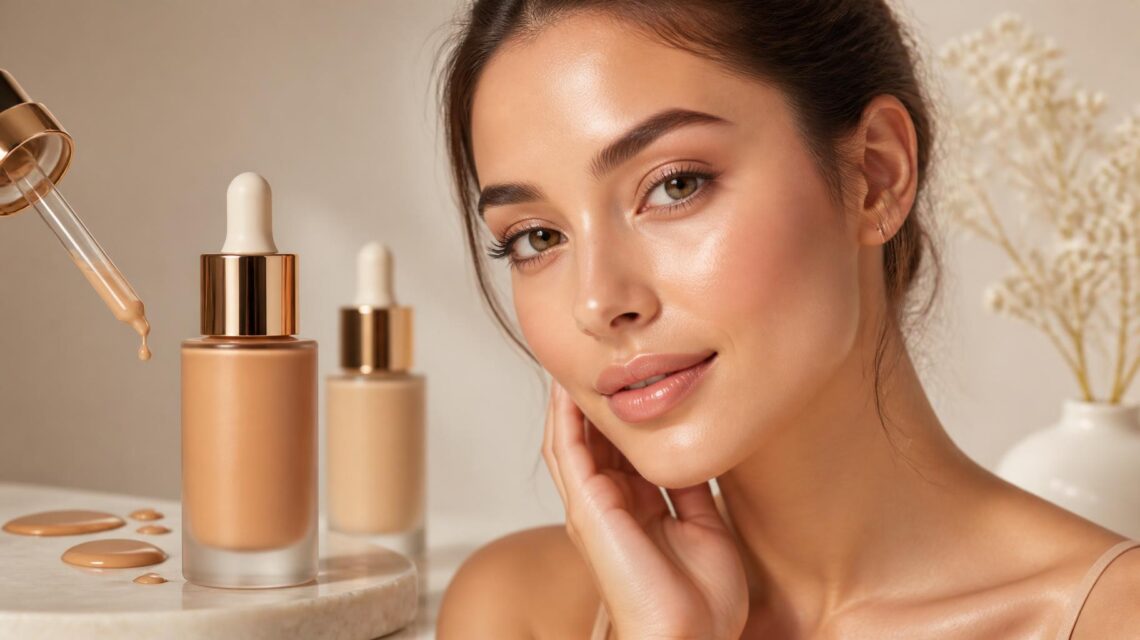
Serum foundations have quickly become a staple in modern makeup routines, and it is easy to see why. They bridge the gap between skincare and cosmetics, delivering the kind of light, breathable coverage people want while also supporting a healthier-looking complexion. If traditional foundations can sometimes feel heavy, cakey, or drying, serum foundations offer a more refined alternative with a skin-first approach.
What makes these formulas stand out is their ability to combine hydration, radiance, and flexible coverage in one product. Designed to glide on smoothly and melt into the skin, serum foundations often include nourishing ingredients such as hyaluronic acid, squalane, peptides, niacinamide, and botanical oils. The result is makeup that not only looks beautiful on application but can also help the skin feel more comfortable throughout the day.
For anyone searching for silky, hydrating coverage that enhances rather than masks, serum foundation is one of the best categories to explore. Whether your goal is dewy minimalism, even-toned glow, or buildable natural coverage, these innovative formulas can deliver a polished look without sacrificing skin comfort.
What Is a Serum Foundation?
A serum foundation is exactly what it sounds like: a hybrid complexion product that merges the lightweight feel of a facial serum with the pigment and tone-evening ability of foundation. Unlike many fuller-coverage formulas that sit on top of the skin, serum foundations are typically more fluid in texture. This gives them a more seamless finish and allows them to move with the skin rather than settling heavily into fine lines or dry patches.
Most serum foundations are built to provide light to medium coverage, though some can be layered for a more perfected effect. Their main appeal lies in creating skin that looks fresh, luminous, and well-moisturized. Instead of covering every feature completely, these products tend to soften redness, blur unevenness, and leave the natural character of the skin visible.
Common Features of Serum Foundations
- Lightweight, fluid consistency
- Hydrating ingredients that support the skin barrier
- Natural, radiant, or satin finish
- Comfortable wear for dry, mature, or dehydrated skin types
- Buildable coverage that avoids a mask-like look
Benefits of Choosing a Serum Foundation
The rise of serum foundations reflects a broader shift in beauty preferences. More consumers want makeup that multitasks and enhances skin instead of overwhelming it. That is where serum foundations excel.
1. Hydration That Lasts
One of the biggest reasons people choose serum foundations is moisture. Traditional matte formulas can cling to rough texture and emphasize flakes, especially during colder months or long days in air-conditioned spaces. Serum foundations are usually made to combat that issue with emollients and water-binding ingredients that keep skin looking supple.
2. A More Natural Finish
If your ideal base is the kind that makes people say your skin looks amazing rather than asking what foundation you are wearing, a serum foundation is likely a strong match. These formulas are known for their skin-like finish, which can range from fresh and dewy to softly luminous.
3. Comfortable Daily Wear
Because they are usually thin and flexible, serum foundations feel more breathable than many classic liquid foundations. That makes them perfect for daily wear, especially if you prefer makeup that does not feel noticeable after a few hours.
4. Skincare-Infused Performance
Many serum foundations incorporate ingredients often found in premium skincare. Depending on the formula, these may help plump the skin, support hydration, smooth texture, or improve overall radiance. While they are not a substitute for a dedicated skincare routine, they can add an extra layer of complexion support.
How to Find the Best Serum Foundation for Your Skin Type
Not every serum foundation performs the same way, so choosing the right formula matters. The best option for you depends on your skin type, finish preference, and desired level of coverage.
For Dry Skin
Look for formulas rich in hyaluronic acid, glycerin, squalane, or nourishing oils. These ingredients help lock in moisture and prevent the foundation from catching on dry areas. A dewy or radiant finish is often especially flattering on dry skin.
For Oily or Combination Skin
Even if your skin leans oily, serum foundation can still work beautifully. Search for oil-free or balanced formulas that offer hydration without excess shine. A natural or satin finish may provide the ideal middle ground, giving you glow without looking greasy.
For Mature Skin
Serum foundations are often an excellent choice for mature skin because they tend to sit more smoothly and avoid emphasizing fine lines. Lightweight, luminous formulas can make the complexion appear fresher and more refined while still offering enough coverage to even out tone.
For Sensitive Skin
If your skin is reactive, prioritize fragrance-free options and shorter ingredient lists where possible. Products with calming ingredients and dermatologist-tested claims may offer greater peace of mind.
What to Look for in a High-Quality Serum Foundation
With so many options on the market, it is helpful to know which details separate a truly impressive serum foundation from an average one.
- Blendability: A good serum foundation should spread easily and melt into the skin without streaking.
- Buildability: The best formulas allow you to add coverage gradually without becoming patchy.
- Hydration: Long-lasting moisture is one of the defining traits of a serum-based formula.
- Shade range: A versatile, inclusive shade selection is essential for finding a natural match.
- Wear time: While serum foundations are often lighter than traditional formulas, they should still hold up well through the day.
- Finish: Choose between radiant, satin, or natural depending on your desired effect.
Application Tips for a Silky, Flawless Finish
Even the best serum foundation performs better with the right application technique. Because these products are more fluid than standard bases, a little strategy goes a long way.
Prep the Skin Properly
Start with well-moisturized skin. Serum foundations look best when the complexion is smooth and hydrated, so apply your regular skincare first and allow it to absorb. If you use sunscreen during the day, make sure it layers well under makeup.
Use a Light Hand
Serum foundations are designed to look natural, so begin with a small amount. You can always build coverage where needed, but starting too heavy may take away from the airy effect these formulas are known for.
Pick the Right Tool
Different tools create slightly different results:
- Fingers: Ideal for quick application and a skin-like finish
- Damp sponge: Best for sheer, diffused coverage
- Foundation brush: Great for building coverage while maintaining polish
Target Coverage Strategically
Instead of applying a thick layer all over, concentrate product where you need evening out most, such as around the nose, chin, or center of the face. This keeps the overall result fresh and believable.
Set Only Where Necessary
If you love a glowing finish, do not over-powder. A light dusting in areas prone to creasing or shine is often enough. This lets the natural radiance of the serum foundation remain visible.
How Serum Foundations Compare to Traditional Foundations
Traditional foundations still have their place, especially for those who want full coverage or a very matte finish. However, serum foundations offer a noticeably different experience. They are generally more skincare-oriented, more lightweight, and more flattering on skin that needs hydration or flexibility.
Where a classic long-wear foundation may prioritize opacity and oil control, a serum foundation tends to prioritize comfort, luminosity, and skin texture. For everyday makeup wearers, that balance can feel more modern and practical.
Serum Foundation vs Traditional Foundation
- Texture: Serum foundations are usually thinner and more fluid
- Coverage: Traditional formulas often offer fuller coverage
- Finish: Serum options typically lean radiant or natural
- Skin feel: Serum foundations are often more breathable
- Best for: Those who want hydration and a skin-like appearance
Who Should Try a Serum Foundation?
Serum foundations are especially well-suited to anyone who values a fresh,