A healthy scalp is the foundation of healthy-looking hair, yet it is often overlooked until problems like thinning, itchiness, excess oil, or buildup become impossible to ignore. If your roots feel greasy by midday, your scalp feels irritated, or your hair seems less full than it used to, adding a scalp serum to your routine can make a noticeable difference. The best scalp serums are designed to target the skin on your head with the same care that facial serums give your complexion, helping rebalance oil, calm inflammation, support hair growth, and create a better environment for stronger strands.
Scalp serums have quickly become one of the most talked-about categories in hair care because they offer concentrated ingredients in lightweight formulas that can be used without weighing hair down. Whether your main concern is thinning hair, flakes, sensitivity, or excess sebum, there is likely a formula created specifically for your needs. The key is knowing what ingredients to look for and how to choose one that fits your scalp type.
Why Scalp Health Matters More Than You Think
Your scalp is an extension of your skin, and just like the skin on your face, it can become dry, irritated, congested, or unbalanced. When the scalp is not functioning properly, hair often reflects it. Strands may appear limp, fragile, greasy, or sparse. In many cases, hair concerns begin at the root, which is why scalp-focused treatments are becoming essential rather than optional.
An unhealthy scalp can contribute to:
- Thinning hair caused by weakened follicles or poor scalp circulation
- Itching and irritation linked to dryness, product buildup, or inflammation
- Excess oil due to overactive sebaceous glands or an imbalanced microbiome
- Flaking caused by dryness or dandruff-related conditions
- Dull, flat hair that struggles to grow and maintain volume
Using a targeted serum can help restore balance while supporting a cleaner, calmer, and more resilient scalp environment.
What Is a Scalp Serum?
A scalp serum is a leave-in treatment formulated to be applied directly to the scalp, usually in sections. Unlike traditional hair oils or masks, serums are often lighter and more ingredient-driven. They are designed to absorb quickly and deliver actives exactly where they are needed most.
Many scalp serums focus on one or more of the following goals:
- Reducing hair shedding and supporting fuller-looking hair
- Soothing itchiness and sensitivity
- Controlling oil production
- Gently exfoliating buildup and dead skin
- Hydrating a dry scalp without making hair greasy
Because they are versatile and easy to use, scalp serums fit well into most routines, whether applied daily, overnight, or after wash day.
Best Ingredients to Look For in Scalp Serums
The most effective scalp serums usually contain a combination of soothing, balancing, and strengthening ingredients. Choosing the right formula starts with understanding which ingredients are best suited to your concerns.
For Thinning Hair
If you want to support hair density and reduce visible shedding, look for formulas with ingredients known to nourish follicles and encourage healthier growth cycles.
- Peptides to help support stronger-looking hair at the root
- Caffeine to energize the scalp and support circulation
- Biotin to strengthen the hair environment
- Niacinamide to help improve barrier function and scalp health
- Plant extracts such as rosemary or ginseng for scalp stimulation
For Itchy or Sensitive Scalps
A calming serum should reduce discomfort without introducing harsh ingredients that can trigger more irritation.
- Aloe vera for cooling hydration
- Centella asiatica to soothe and calm inflammation
- Panthenol for moisture retention and softness
- Oat extract to help relieve dryness and irritation
- Allantoin for gentle skin-conditioning support
For Oily Scalps
If your hair gets greasy quickly, seek out lightweight balancing ingredients that regulate rather than strip.
- Salicylic acid to exfoliate excess oil and unclog follicles
- Tea tree for purifying benefits
- Witch hazel to refine and reduce scalp oiliness
- Zinc PCA to help control sebum levels
- Charcoal or clay derivatives for detoxifying support
How to Choose the Best Scalp Serum for Your Hair Type
Not every scalp serum works for every person, so selecting the right one depends on your symptoms, hair texture, and styling habits. A serum that works beautifully on fine, oily hair may feel too light for a dry, flaky scalp. Similarly, a richer soothing formula may not be ideal if you struggle with greasy roots.
When shopping for a scalp serum, consider the following:
- Your primary scalp concern: thinning, itchiness, oil, flakes, or sensitivity
- Formula texture: lightweight liquid, gel-serum, or milky treatment
- Application frequency: daily use, wash-day use, or overnight treatment
- Fragrance level: sensitive scalps often do better with fragrance-free or low-fragrance formulas
- Hair density: finer hair usually prefers fast-absorbing serums that do not flatten volume
If you have a combination scalp, such as oily roots with itchy patches, you may benefit from alternating treatments or using a balancing serum with soothing ingredients.
What the Best Scalp Serums Typically Do
While products vary by brand and formulation, the best scalp serums tend to deliver a few core benefits consistently. A quality serum should feel comfortable on the scalp, absorb well, and improve overall scalp condition with regular use.
Top-performing scalp serums often help:
- Minimize visible shedding and support thicker-looking roots over time
- Reduce itchiness caused by dryness or minor irritation
- Balance oil production so hair stays fresher longer
- Lift buildup that can make the scalp feel heavy or congested
- Create a healthier scalp barrier to support long-term hair wellness
The best results generally come with consistency. Scalp care works like skin care: regular use is usually more effective than occasional treatment.
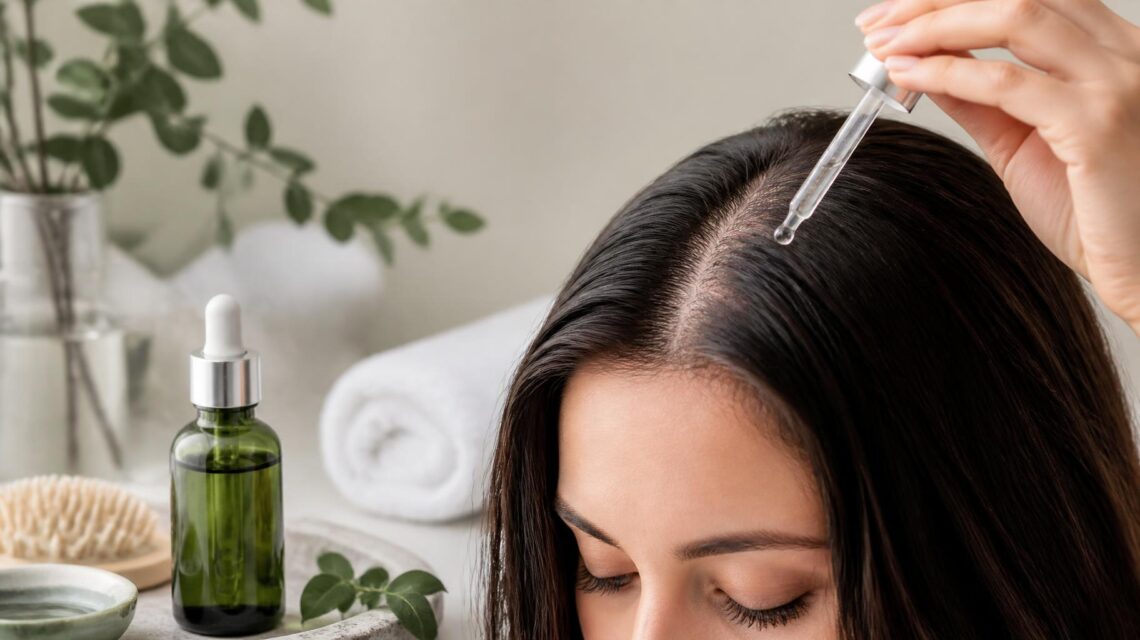
How to Apply a Scalp Serum Correctly
Even the best formula can underperform if it is not applied properly. Scalp serums are meant to target the skin beneath the hair, so taking a few extra moments to apply them carefully can improve results.
- Start with a clean or relatively fresh scalp, depending on the product instructions.
- Part your hair into sections to expose the scalp.
- Apply the serum directly along each part line.
- Use fingertips to gently massage it in for one to two minutes.
- Do not rinse unless the label specifically says to do so.
Gentle massage can be especially helpful because it encourages better distribution and may help stimulate circulation. Be careful not to scratch the scalp with your nails, particularly if it is already irritated.
When You Can Expect Results
Scalp serums can provide fast relief for comfort-related issues like dryness or itchiness, but concerns such as thinning hair usually require patience. Some people notice a calmer, fresher-fe