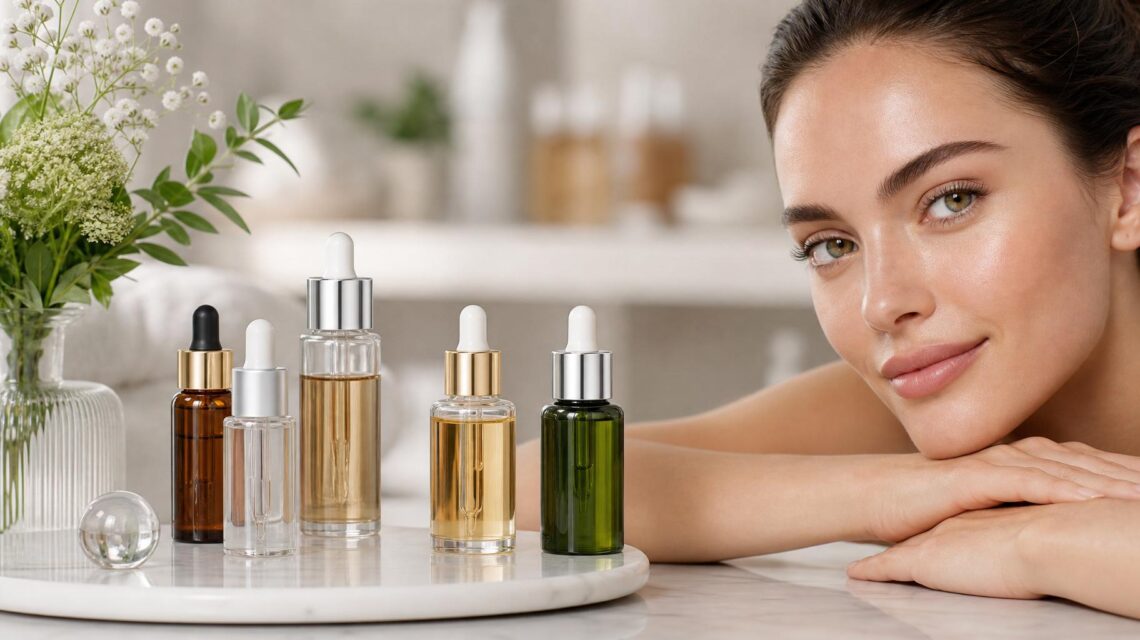
Finding the right face serum can make a noticeable difference in how your skin looks and feels. In 2026, the serum category continues to grow, with formulas designed to target nearly every concern, from dehydration and dullness to fine lines, dark spots, and breakout-prone skin. With so many options available, choosing the best one comes down to understanding your skin type, identifying your goals, and knowing which ingredients are worth your attention.
Face serums are typically lightweight, concentrated treatments made to deliver active ingredients deeper into the skin than a standard moisturizer. They are often used after cleansing and before moisturizing, making them an essential part of a results-driven skincare routine. The best serums do more than feel luxurious, they combine effective ingredients, elegant textures, and consistent performance.
What Makes a Great Face Serum in 2026?
The best face serums today are backed by smart formulation rather than hype alone. A standout serum should absorb well, layer easily with other skincare products, and focus on ingredients that have proven benefits. In 2026, skincare shoppers are also paying closer attention to fragrance levels, barrier-friendly formulas, and whether a product works for sensitive skin.
When evaluating a serum, a few factors matter most:
- Ingredient quality: Look for actives such as vitamin C, hyaluronic acid, niacinamide, peptides, ceramides, retinol alternatives, and exfoliating acids when appropriate.
- Skin compatibility: The best formula should suit your skin type without causing irritation or congestion.
- Texture and finish: A serum should feel comfortable under sunscreen and makeup, not sticky or heavy.
- Packaging: Air-tight or opaque bottles help protect sensitive ingredients from light and air exposure.
- Consistency of results: The real test is whether it improves the skin over time.
Top Types of Face Serums Worth Considering
Not every serum is meant to do the same job. Some are designed to hydrate instantly, while others target discoloration or support firmer-looking skin over time. Below are the main categories that continue to dominate skincare routines in 2026.
Hydrating Serums
Hydrating serums remain among the most versatile skincare products because nearly every skin type benefits from added moisture. These formulas often feature hyaluronic acid, glycerin, polyglutamic acid, squalane, or panthenol to help the skin hold onto water and feel plumper.
They are especially useful if your skin feels tight after cleansing, looks dull, or struggles with seasonal dryness. A strong hydrating serum can also support the skin barrier and make other products apply more smoothly.
Brightening Serums
Brightening serums are ideal for people dealing with uneven skin tone, post-acne marks, or loss of radiance. Vitamin C remains one of the leading ingredients in this category, often paired with ferulic acid, niacinamide, or licorice root extract for extra support.
These formulas are often used in the morning under sunscreen, helping the skin look more luminous while also defending against visible environmental stress.
Anti-Aging and Firming Serums
For those concerned about fine lines, elasticity, and skin texture, anti-aging serums continue to be top performers. Peptides, growth factor-inspired technologies, retinoid alternatives, and antioxidant blends are widely used in these products.
While no serum can replace in-office treatments, the right formula can help improve the appearance of smoother, firmer, more refined skin with regular use.
Calming and Barrier-Repair Serums
Sensitive skin is getting more attention than ever, and barrier-focused serums are becoming a skincare staple. These serums often include ceramides, centella asiatica, beta-glucan, allantoin, oat extract, and fatty acids to reduce redness and support the skin’s natural defenses.
If your skin is reactive, over-exfoliated, or prone to irritation, this category may be more beneficial than highly aggressive active treatments.
Clarifying Serums
People with oily or acne-prone skin often benefit from balancing serums made with niacinamide, salicylic acid, zinc, or gentle exfoliating acids. These formulas can help reduce the look of excess oil, improve pore appearance, and support clearer-looking skin.
The best clarifying serums in 2026 avoid stripping the skin. Instead, they focus on maintaining balance while targeting blemish-related concerns.
Best Face Serums 2026: What Top-Tested Picks Have in Common
Across expert-tested and editor-approved skincare picks, the best face serums of 2026 tend to share several common traits. They are effective without being overly harsh, they work well in layered routines, and they address specific concerns with targeted ingredients rather than promising to do everything at once.
Some of the most praised formulas usually fall into these high-performing categories:
- Best for dry skin: Serums rich in hyaluronic acid, squalane, and ceramides.
- Best for brightening: Vitamin C and niacinamide blends that improve tone and radiance.
- Best for aging concerns: Peptide-focused or retinoid-supporting formulas that smooth and firm.
- Best for sensitive skin: Fragrance-free barrier serums with soothing ingredients.
- Best for acne-prone skin: Lightweight, non-comedogenic formulas with oil-balancing actives.
The growing trend is clear: consumers want multifunctional serums that feel gentle but deliver visible improvements over time.
How to Choose the Right Serum for Your Skin Type
Buying the best face serum starts with an honest look at your skin’s needs. Trend-driven ingredients can be useful, but they are most effective when matched correctly to your routine.
For Dry Skin
If your skin feels flaky, rough, or easily dehydrated, prioritize moisture-binding and barrier-strengthening ingredients. Choose a serum with hyaluronic acid, ceramides, glycerin, and nourishing emollients. Avoid overusing exfoliating acids if your skin already feels compromised.
For Oily Skin
Oily skin benefits from lightweight serums that hydrate without clogging pores. Niacinamide is a smart option because it helps with visible oiliness and uneven tone. Salicylic acid can also be helpful if breakouts are part of the picture.
For Combination Skin
Combination skin often needs balance. A hydrating serum with niacinamide can be a reliable all-around choice, offering moisture to drier areas without overwhelming oil-prone zones.
For Sensitive Skin
Choose simple, fragrance-free formulas with calming ingredients and avoid layering too many strong actives at once. Patch testing a new serum is especially important if your skin reacts easily.
For Mature Skin
Mature skin often benefits from peptide serums, antioxidant formulas, and ingredients that support smoother texture and improved elasticity. Look for products designed to work consistently over time instead of promising instant dramatic results.
How to Apply Face Serum for Best Results
Even the best serum may underperform if it is not used properly. Application matters, especially when working with potent ingredients.
- Start with a gentle cleanser on clean skin.
- Apply serum to slightly damp skin when appropriate, especially hydrating formulas.
- Use only the recommended amount, usually a few drops is enough.
- Follow with moisturizer to help seal in hydration.
- Use sunscreen every morning, particularly when using brightening or exfoliating serums.
Layering order is usually from thinnest to thickest texture. If you use more than one serum, avoid overcomplicating your routine. Too many active ingredients can lead to irritation rather than better results.
Ingredients to Look For in 2026
Skincare innovation continues to evolve, but several ingredients remain at the center of the best face serum formulas this year.
- Hyaluronic acid: Helps attract water to the skin for a fuller, smoother appearance.
- Niacinamide: Supports tone, texture, oil balance, and barrier function.
- Vitamin C: Brightens skin and helps protect against visible environmental damage.
- Peptides: Help improve the look of firmness and fine lines.
- Ceramides: Strengthen the