

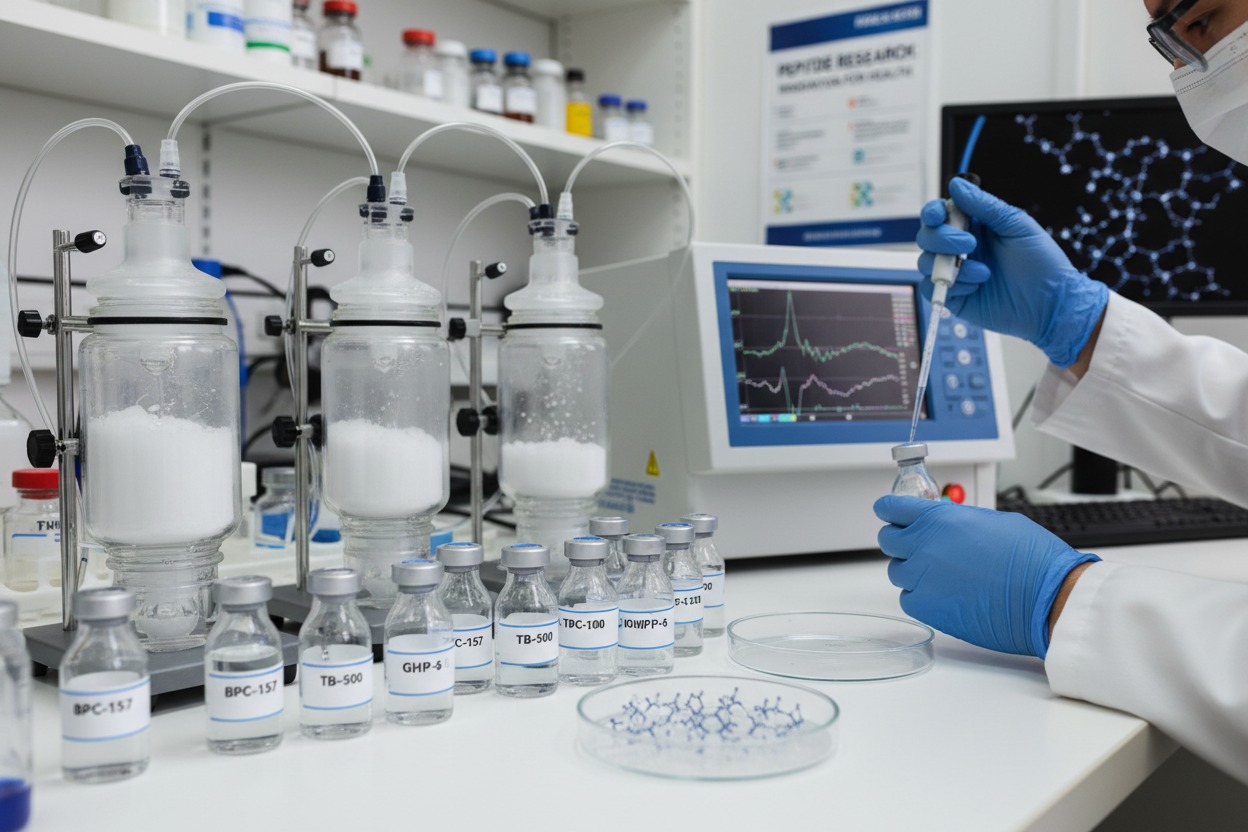
What Are Peptides and Why Are They So Popular?
Peptides have rapidly gained attention in the health, fitness, skincare, and medical communities. From anti-aging creams to muscle-building supplements, these compounds are being marketed as powerful tools for improving overall wellness. But the big question remains: Are peptides safe?
To understand their safety, it is essential to first understand what peptides are. Peptides are short chains of amino acids, which are the building blocks of proteins. While proteins consist of long amino acid chains, peptides are smaller and more easily absorbed by the body. Because of their size and structure, peptides can signal specific biological processes, making them highly useful in medical and cosmetic treatments.
Peptides occur naturally in the body and play critical roles in:
- Hormone production
- Tissue repair and healing
- Immune system function
- Muscle growth
- Skin elasticity and hydration
Synthetic peptides are designed to mimic these natural compounds, allowing for targeted therapeutic benefits. However, like any supplement or treatment, their safety depends on how they are used.
Common Uses of Peptides
Peptides are used across several industries, from prescription medicine to over-the-counter skincare products.
1. Muscle Growth and Athletic Performance
Certain peptides stimulate the production of growth hormone. These are often used by athletes and bodybuilders to support:
- Increased muscle mass
- Improved recovery time
- Fat loss
- Enhanced endurance
Growth hormone-releasing peptides (GHRPs) and growth hormone secretagogues are among the most talked-about in fitness communities. However, some are banned in professional sports due to performance-enhancing effects.
2. Anti-Aging and Skincare
Peptides are widely incorporated into serums and creams to promote collagen production. Collagen is essential for maintaining skin firmness and elasticity. As we age, natural collagen levels decline, leading to wrinkles and sagging skin.
Topical peptide products claim to:
- Reduce fine lines and wrinkles
- Improve skin texture
- Boost hydration
- Enhance skin barrier function
Because these peptides are applied externally, they generally carry fewer systemic risks compared to injectable forms.
3. Medical Treatments
In clinical settings, peptide-based therapies are used for various conditions, including:
- Diabetes management (such as GLP-1 receptor agonists)
- Hormone deficiencies
- Autoimmune disorders
- Certain cancers
Many FDA-approved medications are peptide-based, underscoring their therapeutic potential when properly regulated.
Benefits of Peptides
When used appropriately under professional guidance, peptides can provide several evidence-based benefits.
Targeted Action
One of the biggest advantages of peptides is their specificity. Because they act as signaling molecules, they can target particular cells or processes, minimizing widespread systemic effects.
Improved Healing and Recovery
Some peptides have been shown to accelerate tissue repair and reduce inflammation. This makes them attractive for injury recovery and post-surgical healing.
Metabolic Support
Certain peptide medications help regulate appetite, insulin production, and blood sugar levels. This has led to increased use in weight management and diabetes care.
Skin Health Enhancement
Collagen-stimulating peptides can visibly improve skin firmness and hydration over time. Compared to more aggressive cosmetic treatments, peptide skincare products are relatively gentle.
Are Peptides Safe?
The safety of peptides depends largely on three factors:
- The type of peptide used
- How it is administered
- Whether it is medically supervised
FDA-Approved Peptides
Peptide medications that have been approved by regulatory authorities undergo rigorous testing for safety and efficacy. When prescribed and monitored by healthcare professionals, these treatments are generally considered safe.
Examples include certain diabetes medications and hormone therapies.
Unregulated or Research Peptides
Problems often arise with peptides sold online as ‘research chemicals’ or performance enhancers. These products may:
- Lack purity or quality control
- Contain incorrect dosages
- Include harmful contaminants
- Be mislabeled
Because they are not regulated, safety data may be limited or nonexistent. Self-administering injectable peptides purchased from unverified sources significantly increases health risks.
Topical Peptides
Skincare peptides are generally considered low risk. Most side effects are limited to mild skin irritation or allergic reactions. However, product quality still matters, and users should choose reputable brands.
Potential Risks and Side Effects
Even medically supervised peptide use can carry side effects. The risks vary depending on the specific compound.
Common side effects may include:
- Injection site reactions such as redness or swelling
- Headaches
- Nausea
- Fluid retention
- Joint pain
In the case of growth hormone-stimulating peptides, excessive use can potentially lead to:
- Hormonal imbalances
- Increased insulin resistance
- Abnormal tissue growth
Long-term safety data for many newer peptides is still limited. This uncertainty is one reason medical supervision is strongly recommended.
Who Should Avoid Peptides?
Certain individuals should exercise caution or avoid peptide therapies unless specifically directed by a healthcare provider:
- Pregnant or breastfeeding women
- Individuals with cancer or a history of cancer
- People with uncontrolled diabetes
- Those with endocrine disorders
Because peptides can influence hormone levels and cellular growth, they may not be appropriate for everyone.
How to Use Peptides Safely
If you are considering peptide therapy, safety should be your top priority.
Consult a Qualified Healthcare Provider
Never begin injectable peptide treatments without medical supervision. A doctor can evaluate whether you are a suitable candidate, recommend proper dosing, and monitor for side effects.
Choose Reputable Sources
Only obtain peptide medications from licensed pharmacies. Avoid websites selling unverified research peptides or products that make unrealistic claims.
Follow Prescribed Dosages
More is not better. Exceeding recommended doses increases the likelihood of adverse effects and long-term complications.
Monitor Your Health
Regular blood work and health assessments are essential for individuals using systemic peptide therapies. Monitoring helps detect hormonal imbalances or unexpected reactions early.
The Bottom Line: Are Peptides Worth the Risk?
Peptides are not inherently dangerous. In fact, many are essential to normal human biology and are used safely in modern medicine. When prescribed by a healthcare professional and sourced from regulated manufacturers, peptides can provide meaningful health benefits.
However, the growing popularity of unregulated peptide products has introduced significant safety concerns. Self-experimentation, particularly with injectable forms purchased online, poses real risks.
If you are exploring peptides for muscle growth, anti-aging, weight loss, or medical treatment, informed decision-making is crucial. Focus on evidence-based therapies, avoid unverified products, and always seek medical guidance.
In short:
- Medical-grade peptides can be safe and effective.
- Unregulated peptides carry higher risk.
- Professional supervision greatly improves safety.
As research continues, peptides are likely to play an expanding role in healthcare and wellness. Understanding both their benefits and potential risks allows you to make smart, safe choices for your long-term health.