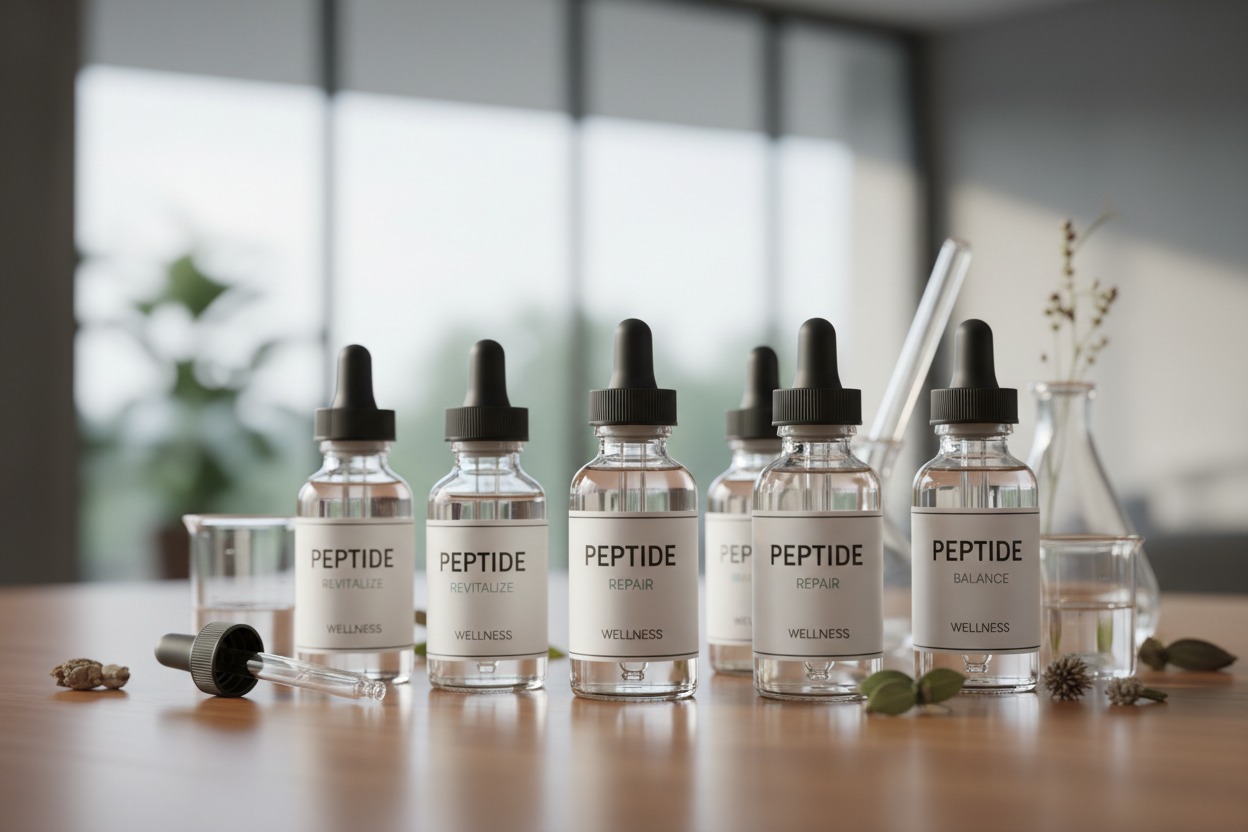
The Rise of Peptide Culture in the Anti-Aging Movement
The anti-aging conversation has evolved dramatically over the past decade, but in recent months one topic has surged to the forefront of social media feeds: peptide wellness. From TikTok explainers to Instagram longevity influencers and biohacker podcasts, peptides have become the centerpiece of a rapidly expanding wellness trend that promises improved skin, better recovery, enhanced metabolism, and even longer lifespan.
What was once considered a niche clinical therapy is now a mainstream online phenomenon. As conversations about longevity, performance optimization, and preventive healthcare grow louder, peptides are increasingly positioned as the next frontier in personalized wellness.
But what exactly are peptides, and why are they dominating the anti-aging conversation?
What Are Peptides and Why Are They Trending?
Peptides are short chains of amino acids, the building blocks of proteins. In the body, they act as signaling molecules, instructing cells how to function. Some peptides regulate hormones, others stimulate collagen production, improve tissue repair, or influence metabolism.
The renewed interest in peptides stems from a broader cultural shift toward proactive health management. Rather than waiting to treat disease, consumers are now investing in therapies that promise to optimize how they look and feel long before traditional symptoms of aging appear.
The Social Media Effect
Platforms like TikTok, Instagram, and YouTube have accelerated peptide awareness by:
- Showcasing before-and-after transformations
- Featuring influencer testimonials about fat loss and recovery
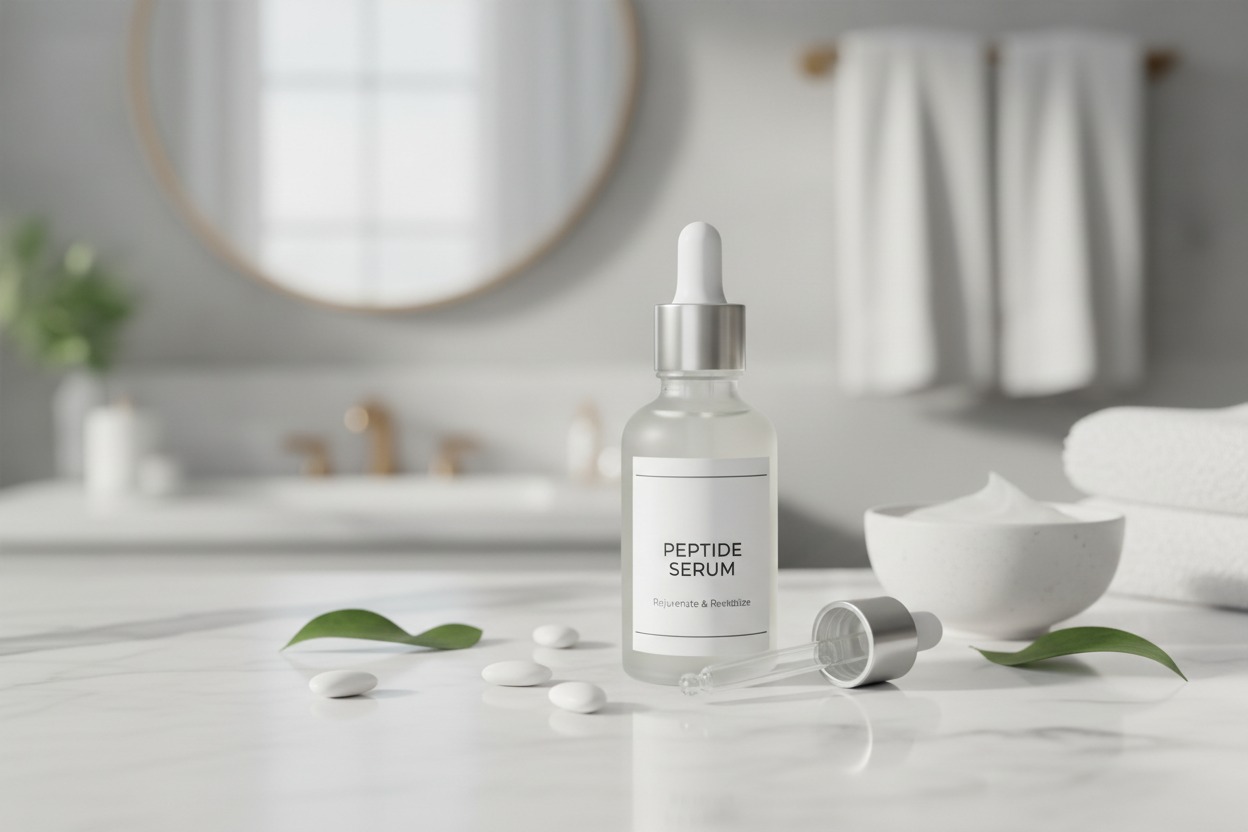
- Highlighting anti-aging skincare routines that include peptide serums
- Promoting longevity-focused lifestyles
The bite-sized, visually driven nature of short-form content makes peptides an ideal subject. Complex science is simplified into engaging clips that promise youthful skin, improved energy levels, and performance enhancement.
The result is a surge in curiosity, consumer demand, and online debate.
Why Peptides Align With Modern Wellness Culture
The peptide boom is not happening in isolation. It reflects broader trends reshaping the wellness industry:
1. Longevity as a Lifestyle Goal
Aging is no longer viewed as inevitable decline. Influencers and health experts now promote healthspan as much as lifespan, encouraging followers to maintain vitality and mobility well into later decades of life.
Peptides are marketed as tools that may support:
- Collagen production for youthful skin
- Muscle preservation during aging
- Fat metabolism regulation
- Recovery and reduced inflammation
This positioning makes peptides highly attractive to health-conscious consumers who view aging as something to proactively manage.
2. The Personalization Movement
Modern wellness increasingly emphasizes customization. From DNA-based diet plans to wearable health devices, people want solutions tailored to their biology.
Some peptide protocols are prescribed in specialized medical clinics where healthcare providers assess hormone levels, metabolic markers, and individual goals before recommending specific compounds. This personalized angle fuels their appeal and reinforces the idea of targeted intervention rather than generic supplementation.
3. The Biohacking Influence
Biohackers, entrepreneurs, and longevity enthusiasts have played a significant role in popularizing peptides. These communities frequently experiment with cutting-edge therapies and share data-driven approaches online.
By blending scientific terminology with anecdotal success stories, biohacking influencers have helped position peptides as innovative tools for high performers seeking a competitive advantage.
Peptides in Skincare: A Gateway Into the Trend
One of the most accessible entry points into peptide culture is skincare. Unlike injectable or clinical peptide therapies, topical peptide creams and serums are widely available and heavily marketed.
In skincare, peptides are commonly promoted for their potential to:
- Stimulate collagen production
- Improve skin elasticity
- Reduce the appearance of fine lines
- Strengthen the skin barrier
Beauty brands frequently highlight peptides in product labels, capitalizing on their scientific credibility. As a result, consumers who first encounter peptides through anti-aging skincare may later explore broader peptide-based wellness treatments.
This crossover between beauty and medical aesthetics has significantly amplified awareness.
The Controversy and Conversation Around Safety
While enthusiasm around peptides continues to grow, the trend also generates questions about regulation, safety, and long-term effects.
Many peptides require medical supervision and are not approved for general over-the-counter use in all jurisdictions. Social media, however, often blurs these distinctions, sharing anecdotal advice alongside scientific commentary.
Important considerations include:
- The quality and sourcing of peptide products
- Appropriate dosing and clinical oversight
- The difference between cosmetic and therapeutic use
- Potential side effects or interactions
Healthcare professionals emphasize the importance of evidence-based guidance rather than self-experimentation. As peptides move from fringe wellness circles into mainstream attention, regulatory discussions are likely to intensify.
The Role of Influencers and Marketing
Influencer culture has significantly shaped consumer perception. In many cases, peptides are presented through highly polished narratives that emphasize dramatic results without fully discussing nuance.
Wellness personalities often frame peptides as:
- Revolutionary breakthroughs in anti-aging science
- Solutions for stubborn weight management issues
- Enhancers for physical performance and recovery
- Tools to optimize hormone balance
This aspirational messaging resonates strongly with audiences seeking control over their health outcomes. However, it also underscores the need for critical evaluation and transparency in advertising.
As the trend grows, brands that prioritize credible medical partnerships and clear communication may gain greater long-term trust.
Search Trends and Consumer Demand
Search data reflects the surge in interest. Queries related to peptides, longevity treatments, anti-aging injections, and collagen-boosting therapies have steadily increased.
Clinics specializing in preventive medicine and hormone optimization report rising inquiries about peptide protocols. Meanwhile, e-commerce platforms show significant demand for peptide-infused skincare and supplements.
Key consumer motivations driving this growth include:
- A desire to look younger for longer
- Increased health awareness post-pandemic
- Greater disposable income directed toward wellness
- Influence from social media testimonials
The intersection of vanity, vitality, and viral marketing has created ideal conditions for a peptide wellness boom.
Is This a Passing Trend or the Future of Preventive Health?
Every health craze experiences cycles of hype and normalization. The crucial question is whether peptides represent a short-lived social media obsession or a lasting shift in preventive healthcare.
Several factors suggest durability:
- Growing investment in longevity research
- Expansion of specialized wellness clinics
- Increasing consumer familiarity with biological optimization concepts
- Ongoing innovation in peptide development
As clinical research evolves, some peptide therapies may become more integrated into mainstream medicine. Others may fade as regulatory scrutiny increases.
What is clear, however, is that consumer appetite for proactive aging solutions is unlikely to diminish.
What Consumers Should Keep in Mind
For individuals intrigued by peptide wellness, informed decision-making is essential.
Consider the following steps before pursuing any peptide-based therapy:
- Consult a licensed medical professional
- Verify the source and quality of products
- Understand realistic expectations and potential risks
- Distinguish between cosmetic and therapeutic applications
Social media can provide awareness, but medical guidance should shape action.
The Bigger Picture: Rewriting the Narrative of Aging
The peptide boom represents more than a scientific trend. It symbolizes a cultural shift in how aging is perceived. Rather than accepting visible and physical changes as unavoidable, many people now see aging as something modifiable through targeted intervention.
This mindset aligns with advances in genomics, precision medicine, and regenerative science. Peptides have become a visible, marketable expression of that broader transformation.
Social media may have accelerated the conversation, but the underlying desire for vitality, longevity, and improved quality of life is universal and enduring.
Final Thoughts
The dominance of peptide wellness in social media’s anti-aging dialogue reflects both optimism and complexity. Enthusiasts celebrate potential benefits, critics call for cautious evaluation, and medical experts advocate balance between innovation and evidence.
As information continues to circulate and research progresses, peptides will likely remain a central talking point in modern wellness culture. Whether embraced as groundbreaking therapies or approached with measured skepticism, they have undeniably reshaped how anti-aging is discussed online and beyond.
In the evolving landscape of longevity and preventive care, peptides are no longer a fringe concept. They are now firmly embedded in the mainstream wellness narrative, signaling a new chapter in the pursuit of healthier aging.