Peptide Gray Market: GLP-1s, Botox From China Via Social Media
In recent years, the global health and beauty markets have witnessed a seismic shift. What was once the exclusive domain of licensed pharmaceutical suppliers and authorized medical distributors has now crept into the shadowy corners of online marketplaces and direct-to-consumer social media channels. The emergence of what experts are calling the ‘peptide gray market’—a loosely regulated pipeline for products like GLP-1 weight-loss drugs, botulinum toxin (Botox), and other peptides—has raised alarm among regulators, medical professionals, and consumers alike.
This underground industry thrives on accessibility and speed, with thousands of users on platforms such as Instagram, Telegram, Reddit, and TikTok hunting for cheaper alternatives to name-brand treatments. The growing demand for products like Ozempic, Wegovy, and Botox has fueled an ecosystem where peptides and injectables flow from overseas suppliers—particularly from China—directly to consumers without medical oversight.
Understanding the Gray Market: Not Quite Legal, Not Entirely Illegal
The term ‘gray market’ refers to cases where goods are manufactured legally but distributed or sold through unauthorized channels. In the case of peptides and injectables, the products themselves may be legitimate in origin—produced by licensed labs or chemical manufacturers—but once they reach end users through social media deals or private sellers, they step beyond the boundaries of regulated pharmaceutical trade.
- Legitimacy vs. Legality: Many of these products are manufactured for research or medical export but diverted for personal use, creating a gray zone where consumers often believe they are buying legitimate treatment-grade substances.
- Unverified Sources: Without traceable supply chains, even authentic products can be compromised through improper storage, contamination, or dilution.
- International Gaps in Regulation: Varying standards between countries like the U.S., China, and those in the EU further complicate enforcement, leaving consumers vulnerable to fake or substandard formulations.
The Allure of Cheap GLP-1 Alternatives
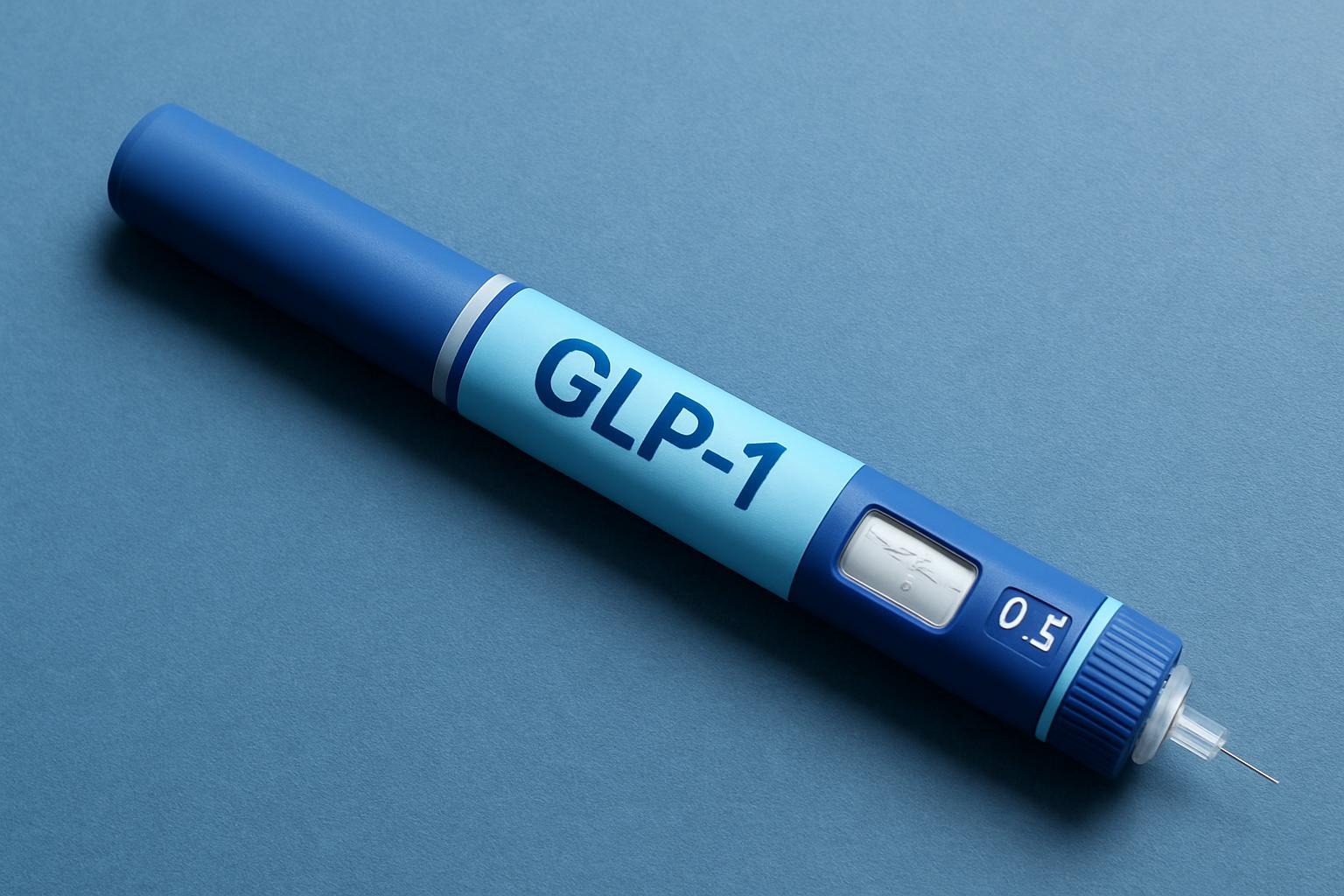
GLP-1 receptor agonists such as Ozempic and Wegovy have rapidly become synonymous with effective weight management. However, they are expensive and often difficult to obtain, particularly as global demand outpaces supply. A single prescription can cost hundreds or even thousands of dollars per month. These factors have driven many consumers to seek “research peptides” or “compounded alternatives” that mimic GLP-1 effects at a fraction of the price.
Social media has made access easier than ever. Sellers post before-and-after photos, testimonials, and even instructions for self-administering injections. The messaging often blurs the line between wellness and medical therapy, preying on people who may not fully understand the risks involved.
Among the most common trends observed include:
- ‘Research Use Only’ peptides marketed with disclaimers, yet sold directly to consumers for personal use.
- DIY injection kits that promise fast results without requiring medical prescriptions.
- Overseas sellers shipping unapproved formulations via discreet packaging to circumvent customs scrutiny.
The Role of China in the Supply Chain
China has become a pivotal player in the global peptide market, producing raw materials and finished formulations at a massive scale. Many of these facilities operate legitimately, serving the pharmaceutical, cosmetic, and biotechnology sectors. However, the same supply channels also feed the gray market when intermediaries source peptides in bulk for resale through unregulated online marketplaces.
According to analysts, Chinese suppliers often sell peptides labeled as ‘for laboratory research’, which legally allows them to bypass certain export controls. Once they are received abroad, resellers simply repackage them for cosmetic or wellness use. Social media influencers and independent websites then promote these products using health and beauty narratives that sidestep regulatory oversight by avoiding explicit medical claims.
The Rise of Botox and Aesthetic Injectables on Social Media
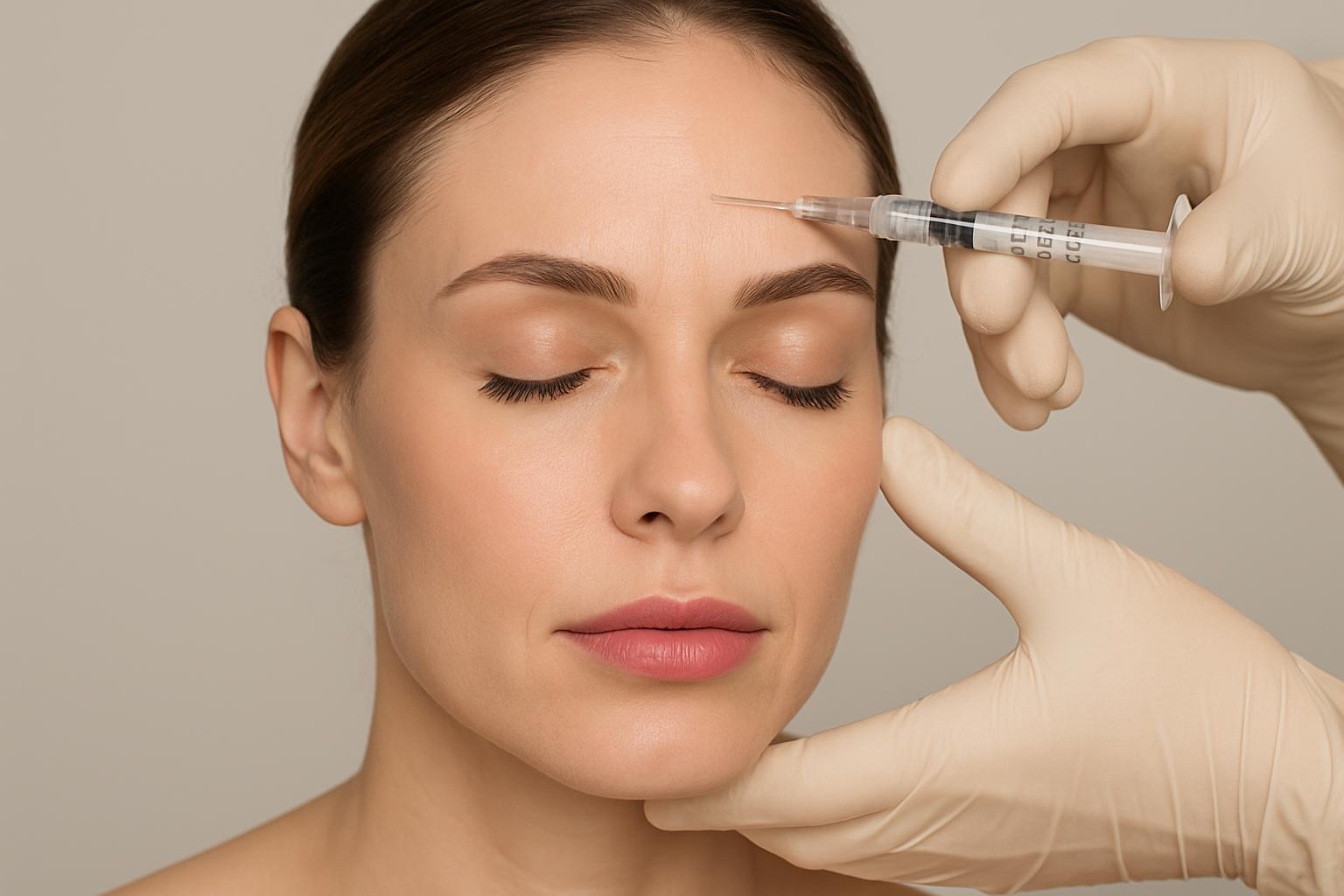
The cosmetic side of the peptide gray market is booming. Alongside GLP-1s, social media is rife with sellers offering injectable botulinum toxins, dermal fillers, and peptide-based serums sourced from Chinese or Eastern European manufacturers. Buyers, enticed by low prices and instant results, often overlook the key fact: these injections are medical procedures requiring professional handling.
Medical experts warn that using counterfeit or improperly stored Botox can result in serious health consequences. Botulinum toxin, if mishandled, can spread beyond the injection site and cause muscle paralysis or other systemic symptoms. Nonetheless, consumers—especially younger demographics influenced by online beauty culture—continue to take the risk, seduced by the promise of affordability and convenience.
Regulatory Challenges and Enforcement Gaps
Governments and agencies such as the U.S. Food and Drug Administration (FDA) and the European Medicines Agency (EMA) are struggling to keep pace with this rapidly evolving phenomenon. Since many gray market transactions occur across international lines and through encrypted communication channels, tracing and shutting down illegal sellers is a monumental challenge.
- Limited Oversight on Imports: Small online purchases often slip through customs as ‘personal parcels’ rather than commercial shipments.
- Social Media Promotion: Unlike traditional e-commerce websites, social media platforms provide rapid, decentralized content sharing, making enforcement virtually impossible in real time.
- Compounding Loopholes: In some instances, domestic compounding pharmacies produce and dispense peptide-based therapies without proper FDA approval, complicating accountability even further.
In late 2023, the FDA issued several warnings against the purchase of compounded GLP-1 drugs online, citing the dangers of variable potency and potential contamination. However, for every seller removed, multiple new ones emerge, often under pseudonyms or new company names.
Consumer Drivers: The TikTok and Instagram Effect
Part of the peptide gray market’s explosive growth can be traced to social media’s influence culture. Viral videos about ‘miracle’ peptide transformations, jawline-slimming injectables, and DIY weight-loss hacks quickly reach millions of viewers before regulators have any chance to intervene.
- Accessibility: A simple DM conversation leads to direct shipping—no doctor visit required.
- Peer Validation: Influencers sharing their experiences lend perceived credibility to products, regardless of medical legitimacy.
- Desperation Meets Convenience: For individuals struggling with obesity or body image issues, the risk often seems worth taking when traditional healthcare remains expensive or hard to access.
Health Risks: The Hidden Dangers Behind the Promise
While the gray market offers affordability, the risks are substantial. Peptides and injectables require strict manufacturing, storage, and dosage controls that home deliveries and online sellers rarely meet. Some of the most common risks associated with unregulated peptide use include:
- Contamination: Bacterial or chemical impurities from unsanitary production or packaging.
- Incorrect Dosage: Variations in potency can result in ineffective or harmful outcomes.
- Allergic Reactions: Unknown additives or excipients can trigger immune responses.
- Lack of Medical Guidance: Without professional supervision, users risk complications like infection, nerve damage, or excessive hormone suppression.
Medical practitioners emphasize that even seemingly simple injections require precision and expertise. Amateur administration or product substitution could lead to severe and permanent health issues.
What Authorities and Platforms Are Doing About It
Social media companies have started implementing stricter policies on the sale of pharmaceuticals and injectables, but enforcement remains inconsistent. Many sellers simply adapt by using coded language or private groups. Similarly, customs agencies are ramping up screening technologies to identify suspicious chemical imports, yet the sheer volume of packages makes total interdiction unrealistic.
Governments are also exploring tighter international cooperation with suppliers—particularly in China—to enhance export monitoring of research peptides and semi-finished compounds. Meanwhile, healthcare professionals are calling for better consumer education, urging individuals to consult licensed practitioners before purchasing or administering any injectable treatment.
Looking Ahead: The Future of Peptides and Regulation
The peptide and biotechnology industries are advancing rapidly, with legitimate therapeutic potential in weight management, aging, and hormonal regulation. However, without unified global regulation, the same innovations that promise better health outcomes can easily fall into exploitative hands.
Experts predict that regulatory frameworks will evolve to better distinguish between research-use peptides and clinical-grade products. There will also be an increasing push to integrate tracking technologies—such as blockchain or digital labeling—to guarantee product authenticity from manufacture to delivery.
In the meantime, healthcare providers and ethical companies are urging transparency and caution. As consumers become more informed about peptide-based therapies, they will play a key role in shifting demand away from gray market