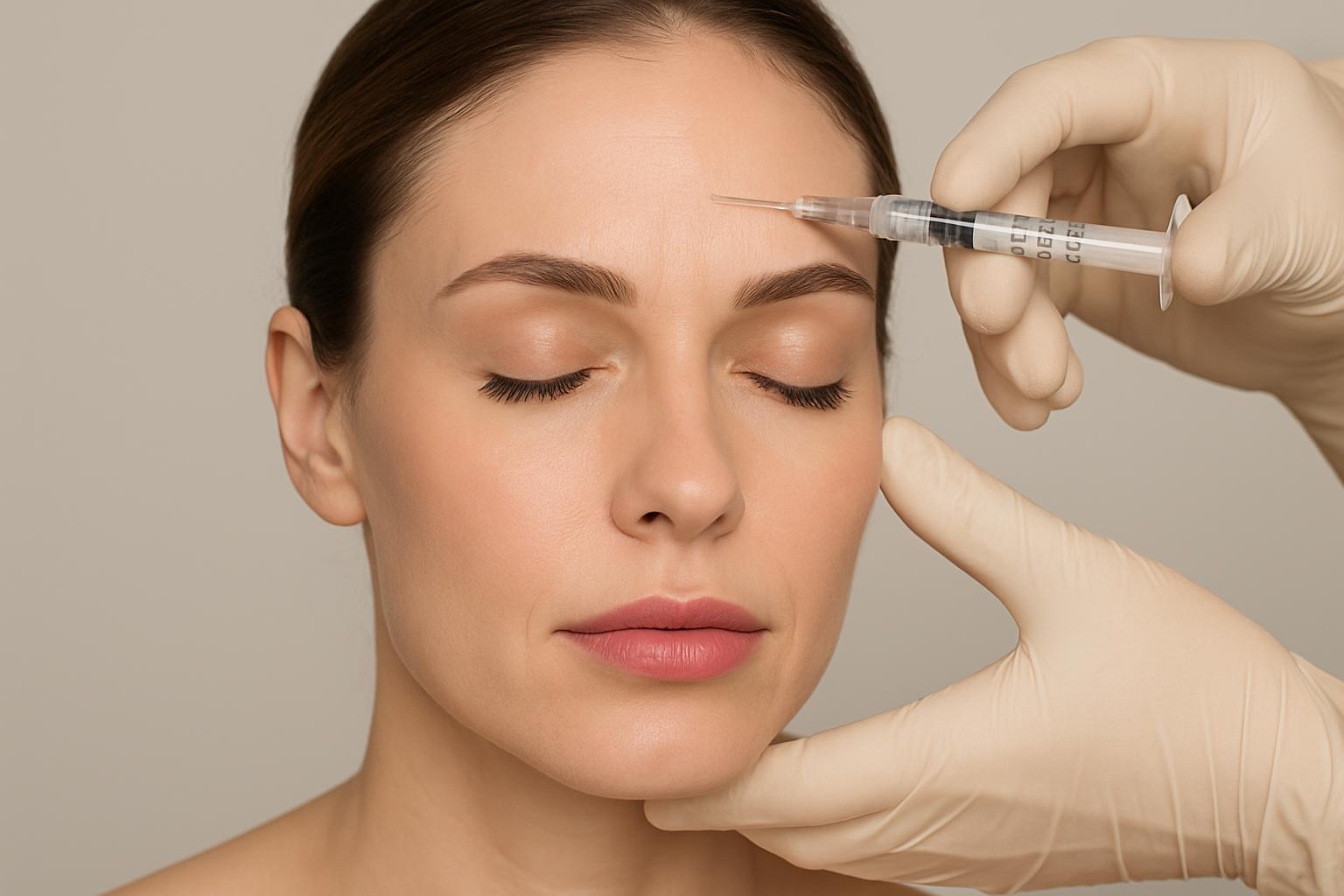
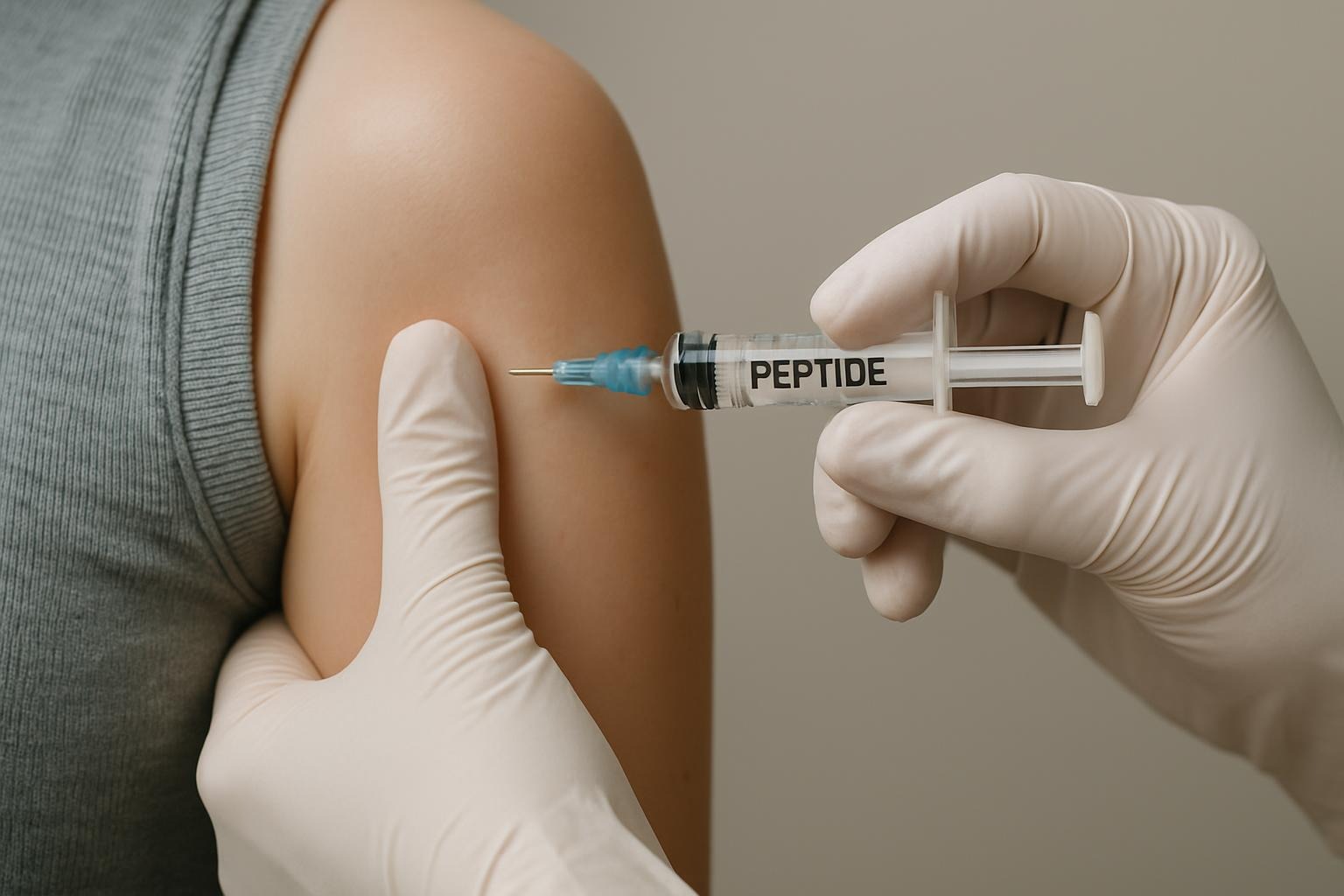
Understanding the Rise of Anti-Aging Peptides in 2026
The world of longevity research is accelerating at an unprecedented pace, and by 2026, anti-aging peptides have gained center stage as one of the most promising frontiers in regenerative science. From elite athletes to everyday wellness enthusiasts, consumers are exploring peptide-based longevity regimens to maintain youthful energy, cognitive sharpness, and overall metabolic function.
This next generation of peptide therapy goes far beyond simple collagen stimulation. It now encapsulates *advanced NAD+ delivery systems*, refined peptide synthesis, and improved telehealth accessibility for personalized dosing and monitoring. The convergence of biotechnology, remote healthcare, and data-driven protocols is shaping how people integrate anti-aging therapies into their daily lives.
What Are Anti-Aging Peptides?
Peptides are short chains of amino acids that act as molecular messengers within the body. They regulate numerous biological functions—ranging from hormone production and muscle recovery to skin regeneration and cellular repair. Unlike larger proteins, peptides penetrate cells quickly and can initiate very specific physiological responses.
The most popular *anti-aging peptides* in 2026 include compounds that stimulate mitochondrial function, increase collagen synthesis, reduce inflammation, and optimize DNA repair. When coupled with NAD+ boosters or other longevity molecules, these peptides help the body sustain energy at the cellular level, delaying the visible and functional signs of aging.
Popular Peptides Leading the 2026 Anti-Aging Market
- Epitalon: Known for its potential to regulate the pineal gland and extend telomere length, helping promote longevity.
- Thymosin Beta-4 (TB-500): Reduces inflammation, supports tissue regeneration, and enhances athletic recovery.
- BPC-157: Promotes healing of muscles, tendons, and the gastrointestinal tract, contributing to whole-body restoration.
- GHK-Cu: A copper-binding peptide used to improve skin elasticity, reduce wrinkles, and boost wound healing.
- Mot-C: A mitochondrial peptide associated with better metabolic health and increased cellular energy production.
These peptides are increasingly being paired with NAD+ therapy to optimize results and sustain long-term vitality.
Why NAD+ Is Central to Longevity and Peptide Therapy
Nicotinamide adenine dinucleotide (NAD+) is an essential coenzyme found in all living cells. It plays a crucial role in energy metabolism, mitochondrial health, and DNA repair. With age, NAD+ levels decline, causing fatigue, cognitive dips, metabolic slowdown, and increased risk of chronic disease.
Recent breakthroughs in peptide science have enabled better NAD+ synthesis and retention through targeted molecules that enhance its absorption and cellular uptake. This new generation of NAD+ delivery methods—both oral and injectable—is more bioavailable and longer-lasting than previous formulations.
Comparing NAD+ Delivery Systems in 2026
As of 2026, there are several innovative NAD+ delivery systems on the market. Each has its unique advantages and potential drawbacks.
- Oral NAD+ Precursors: Compounds such as NMN (nicotinamide mononucleotide) and NR (nicotinamide riboside) remain popular for their convenience. However, bioavailability varies based on individual gut health and metabolism.
- Injectable NAD+ Peptides: Direct injections deliver NAD+ and peptide combinations into the bloodstream. This method produces almost immediate effects for energy and focus but must be administered by professionals or through guided telehealth protocols.
- Liposomal NAD+ Sprays and Troches: These newer sublingual technologies enhance absorption through mucosal membranes. They are favored for daily use due to ease and effectiveness without digestive interference.
- Transdermal NAD+ Patches: A non-invasive option offering slow, sustained NAD+ release that maintains steady energy levels throughout the day.
When NAD+ therapies are combined with peptides such as MOTS-c or Epitalon, users often report improved cell regeneration, quicker recovery after exertion, and enhanced clarity of mind.
The Role of Telehealth in Peptide Therapy Access
Telehealth has revolutionized how people access advanced anti-aging treatments. In the past, peptide therapy required in-person physician consultations and costly clinic visits. In 2026, digital wellness platforms and AI-driven telemedicine make it possible to receive peptide and NAD+ prescriptions from licensed practitioners remotely.
Telehealth integration allows users to:
- Consult with certified hormone and peptide specialists through secure video calls.
- Receive lab testing kits by mail to assess baseline biomarkers, such as NAD+ levels, telomere length, and mitochondrial function.
- Track progress via wearable devices that monitor sleep, recovery, and metabolic rate.
- Obtain personalized peptide delivery directly to their home.
Moreover, telehealth platforms use AI algorithms to customize peptide stacks—combinations of different peptides optimized for a specific goal such as muscle regeneration, cognitive focus, or immune resilience.
Safety, Regulation, and Clinical Oversight
While telemedicine has made peptide access easier, compliance and safety remain priorities. Regulatory bodies such as the FDA continue to monitor the purity and sourcing of peptides sold online. Experienced telehealth providers ensure that each compound comes from compounding pharmacies that adhere to pharmaceutical-grade production standards.
Clients are also encouraged to undergo routine lab testing to measure liver function, cardiovascular health, and biomarker balance to ensure safe, long-term use.
Combining Peptides and NAD+ for Optimal Results
Longevity researchers emphasize that the best results from peptides and NAD+ therapies come from synergistic use within a comprehensive wellness framework. These regimens are often combined with:
- Intermittent fasting to enhance mitochondrial renewal and autophagy.
- Resistance and aerobic training to promote muscle protein synthesis and hormonal balance.
- Sleep optimization using circadian-aligned routines to support NAD+ recycling.
- Nutrient-dense diets focused on amino acids, omega-3s, and antioxidant compounds.
By integrating these habits with peptide and NAD+ therapy, individuals typically experience stronger physical resilience and improved cellular response.
Emerging Research and Future Prospects
The anti-aging field is on the cusp of major disruption. Academics and biotech firms are investing heavily in synthetic biology platforms capable of designing *smart peptides*—micromolecules that can target damaged mitochondria, modulate inflammation at the gene level, and influence stem cell differentiation.
By 2026, early clinical data already indicate encouraging effects of peptides combined with SIRT1 activators (linked to NAD+ modulation) for neurodegenerative conditions such as Alzheimer’s and Parkinson’s. Researchers are also exploring delivery methods that cross the blood-brain barrier more efficiently, raising the possibility of cognitive rejuvenation therapies.
Consumer Awareness and Education
Public understanding of peptides and NAD+ remains fragmented, and misinformation can lead to unrealistic expectations. Education remains key—in 2026, top telehealth platforms offer digital learning portals that help clients understand the science behind each therapy.
Well-informed consumers recognize that anti-aging peptides are not “magic bullets” but tools for optimizing the body’s intrinsic healing capacity. When used responsibly under medical supervision, they can profoundly influence *biological age*, often more accurately reflected through tests such as DNA methylation clocks, rather than chronological age alone.
Economic and Ethical Considerations
Access to peptide therapy is becoming more equitable due to decreasing costs and telehealth expansion. The democratization of longevity treatments allows a broader segment of the population to participate in precision wellness regimes once reserved for elite clients.
Still, ethical questions remain: Will enhancements widen the health gap between populations? How will regulators ensure authenticity and purity in global peptide trade? Addressing these concerns is essential as biohacking becomes mainstream.
The Bottom Line for 2026 and Beyond
The integration of **anti-aging peptides**, **advanced NAD+ delivery**, and **telehealth accessibility** signifies a new chapter in personalized longevity. It’s a time when science fiction is rapidly merging with medical reality, empowering individuals to take control of their biological destiny.
- For individuals: Expect improved access to personalized peptide protocols and biomarker tracking tools.
- For clinicians: Data-driven telehealth platforms offer efficient patient management and outcome measurement.
- For the industry: 2026 marks a pivotal moment where biotech innovation, delivery methods, and healthcare accessibility merge to reshape human wellness.
As innovations in peptide science and NAD+ optimization continue to accelerate, the promise of extending not just lifespan but healthspan—the years of life spent in good health—appears closer than ever. The future of anti-aging is no longer about chasing youth; it’s about upgrading cellular performance, redefining aging as a manageable biological process rather than an inevitable decline.