Blue beads, six peptides and a price around $25 make the Dr.Reju-All Advanced PDRN Copper Peptide Serum an intriguing entry in affordable Korean skin care. Its formula combines copper tripeptide-1 with five other peptides, sodium DNA, niacinamide and moisture-binding ingredients. That is plenty of ingredient-list appeal without a luxury price tag.
But an impressive ingredient list is not the same as proven performance. This review looks at what the serum contains, what its blue beads actually tell you and where the evidence stops. It is an ingredient-based assessment, not a firsthand wear test or a report of clinical results.
What Is Dr.Reju-All Advanced PDRN Copper Peptide Serum?
Dr.Reju-All Advanced PDRN Copper Peptide Serum is a fragrance-free Korean cosmetic serum featuring encapsulated blue beads containing copper peptides. It is available on Amazon for approximately $25, although pricing and availability can change.
The formula sits at the intersection of two popular skin-care categories: PDRN products and multi-peptide serums. Rather than relying on one headline ingredient, it brings together several peptides alongside familiar cosmetic ingredients such as niacinamide, hyaluronate and hydrolyzed collagen.
The important limitation is transparency. Ingredient percentages are not disclosed, and no product-specific clinical data are provided in the supplied references. You can evaluate the formula’s components, but you cannot reliably calculate their strength or predict visible results from the ingredient list alone.
The Six Peptides: What Is Actually in the Formula?
The ingredient listing identifies six peptides. That count does not include sodium DNA, the ingredient associated with the serum’s PDRN positioning.
- Copper tripeptide-1: Also known as GHK-Cu, this is the copper peptide highlighted in the product name and associated with its blue encapsulated beads.
- Acetyl octapeptide-3: Often called Snap-8, this is another peptide included in the formula.
- Acetyl tetrapeptide-5: One of the serum’s two listed acetyl tetrapeptides.
- Acetyl tetrapeptide-9: A separate peptide that contributes to the six-peptide blend.
- Palmitoyl hexapeptide-12: One of two palmitoylated peptides in the ingredient list.
- Palmitoyl tripeptide-5: The sixth peptide completing the blend.
Does Having Six Peptides Make It Better?
Not necessarily. A peptide count tells you how many distinct peptide ingredients are present, not whether the finished serum outperforms a simpler product. Concentration, formulation stability and delivery all matter, and those details are not established by a list of ingredient names.
The six-peptide blend is a reasonable point of interest for shoppers comparing formulas. It is not, by itself, evidence of firmer-looking skin, fewer visible lines or any other specific outcome.
PDRN vs. Copper Peptides: Two Different Ingredients
One distinction makes this serum easier to understand: PDRN is not a peptide. The formula lists sodium DNA in the ninth position, while copper tripeptide-1 belongs to the separate peptide blend.
These ingredients are often grouped together in trend-driven skin-care discussions, but they should not be treated as interchangeable. Nor should research involving a particular compound, delivery method or clinical setting automatically be applied to this finished cosmetic serum.
What Does Sodium DNA at Number Nine Tell You?
It confirms that sodium DNA appears relatively early in the published ingredient list. It does not reveal an exact PDRN percentage, establish a clinically meaningful amount or show how much reaches a particular layer of skin.
Without disclosed concentrations or product-specific testing, claims that this serum contains an especially powerful PDRN dose would go beyond the available information. Its position on the list is useful context, not a substitute for performance evidence.
What Are the Blue Beads For?
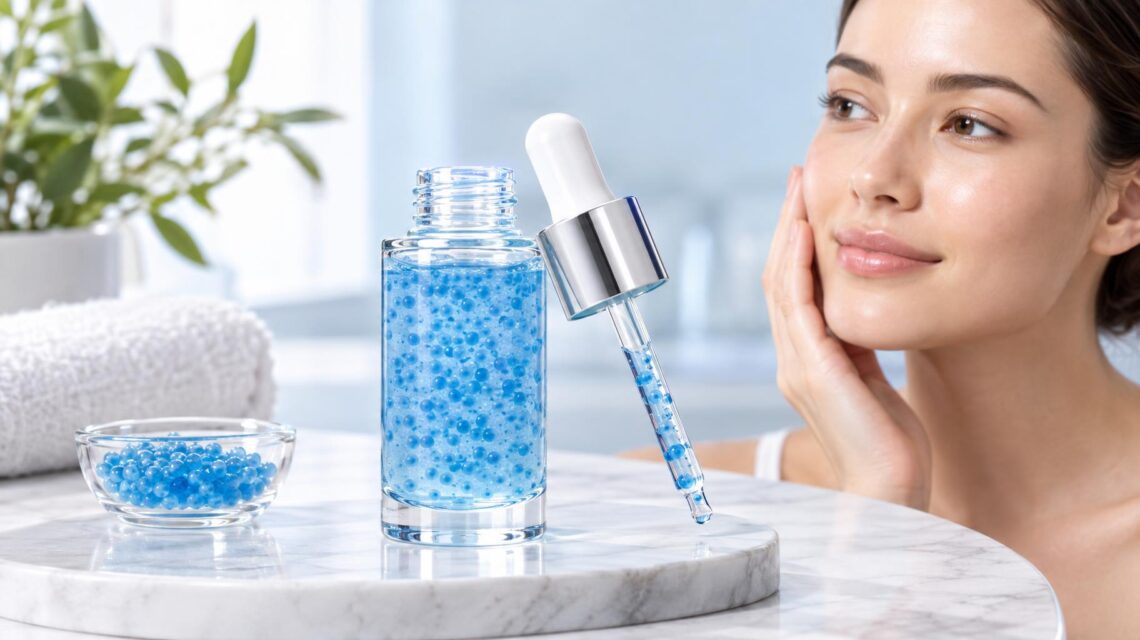
The blue encapsulated beads are the serum’s most distinctive visual feature. According to the supplied product information, they contain copper peptides, connecting the product’s appearance with its headline ingredient.
Encapsulation can sound technically impressive, but the presence of beads alone does not establish superior stability, deeper delivery or better results. Those claims would require supporting evidence for this particular formulation.
The beads make the serum visually distinctive; they do not function as a measurement of potency. Neither their color nor their visibility reveals the copper peptide concentration.
The Supporting Ingredients Deserve Attention
Although PDRN and copper peptides dominate the product name, the rest of the formula matters when assessing it as an everyday cosmetic.
Niacinamide
Niacinamide adds a familiar ingredient to a formula built around more trend-led names. However, its percentage is not disclosed. Shoppers should avoid assuming this serum matches the concentration or performance of a dedicated niacinamide product.
Hyaluronate and Hydrolyzed Collagen
Hyaluronate and hydrolyzed collagen help explain the formula’s moisture-focused positioning. Their inclusion is relevant to the serum’s overall cosmetic profile, but neither ingredient proves a particular result in the finished product.
Hydrolyzed collagen also should not be confused with evidence that a topical serum replaces collagen within the skin. Ingredient names can suggest more than product testing actually demonstrates.
Fragrance-Free Formulation
The serum is fragrance-free, which may appeal to shoppers who prefer to avoid added fragrance. That is a useful purchasing detail, not a guarantee that the product cannot irritate skin or trigger an individual reaction.
A 7-Day and 30-Day Review Breakdown
A useful review separates early impressions from longer-term observations. The following checkpoints are an evaluation framework, not documented results from a trial or personal test.
After 7 Days: Focus on the Cosmetic Experience
A short review period is most useful for describing texture, finish and how a serum fits into an existing routine. Relevant questions include:
- Does the texture feel lightweight, rich, tacky or slippery?
- How do the blue beads behave during application?
- Does the formula leave visible residue?
- Does it layer comfortably with other cosmetics?
These observations can make a review practical without overstating what one week establishes. An early impression cannot demonstrate structural skin changes or validate the serum’s PDRN and peptide claims.
After 30 Days: Keep Expectations Measured
A month offers more opportunity to assess consistency and overall satisfaction. However, an individual’s observations still do not establish clinical effectiveness. Lighting, other products and ordinary changes in skin appearance can influence before-and-after comparisons.
Breakouts or irritation, if reported, should also be described accurately rather than automatically labeled as purging. The supplied references do not establish a predictable breakout pattern for this serum.
Is Dr.Reju-All PDRN Copper Peptide Serum Worth $25?
At approximately $25, the serum offers an accessible way to explore a formula containing six peptides, sodium DNA and familiar supporting ingredients. Its fragrance-free status and distinctive bead format add to its appeal.
The trade-off is uncertainty. There are no disclosed percentages to help compare strength, and the supplied references provide no product-specific clinical data demonstrating results.
- Most appealing feature: A varied ingredient lineup at an approachable price.
- Main limitation: Limited evidence for the finished formula’s performance.
- Best purchasing mindset: Judge it as a cosmetic serum, not a clinical treatment.
Final Verdict
Dr.Reju-All Advanced PDRN Copper Peptide Serum is interesting on ingredients and price, but unproven on product-specific results. Its six-peptide blend, sodium DNA and blue copper-peptide beads give shoppers several reasons to look closer.
The balanced conclusion is straightforward: it is a budget-friendly cosmetic option with an appealing formula concept. Whether that translates into a satisfying purchase depends on the actual cosmetic experience—not the peptide count, bead color or popularity of PDRN alone.
Sources: SkinSort product listing and NewBeauty serum review.