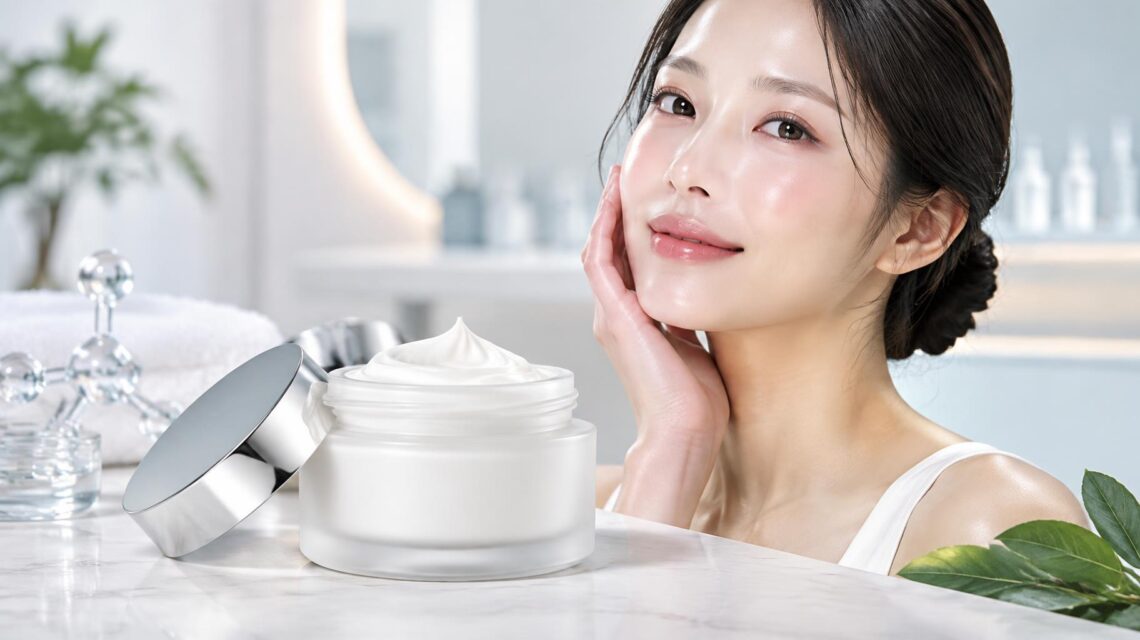
Pyderin PDRN Lift Cream sits at the intersection of Korean skincare, clinic-channel distribution and growing interest in DNA-derived cosmetic ingredients. Its name suggests a firming-focused formula, but understanding the product requires separating brand information, third-party ingredient listings and claims that have not been independently established.
The clearest starting point is this: Pyderin describes its PDRN line as using high-purity salmon-DNA PDRN and distributing through partner hospitals. A third-party listing identifies a product called PDRN Lift Cream, but the official website does not provide a dedicated product page confirming its size, price or launch date. Here is what those details mean for anyone researching the cream.
What Is Pyderin PDRN Lift Cream?
Pyderin PDRN Lift Cream is listed in a third-party skincare ingredient database as a cream containing DNA, niacinamide, ferments and multiple peptides. It belongs to a product category attracting attention for combining familiar cosmetic ingredients with PDRN-focused branding.
However, the available information is uneven. The official Pyderin website explains the positioning and distribution of the brand’s PDRN line, while the Skincarisma listing supplies the cream’s ingredient information. These sources serve different purposes and should not be treated as interchangeable.
A third-party ingredient entry can help explain a formula, but it does not replace current packaging or an official product specification. That distinction matters when checking whether an online listing represents the same formulation currently being sold.
What Does PDRN Mean in Skincare?
PDRN stands for polydeoxyribonucleotide. It refers to DNA-derived nucleotide fragments, rather than a peptide. Pyderin describes its PDRN line as being built around high-purity PDRN derived from salmon DNA.
PDRN Is Not a Peptide
This is an important distinction because PDRN skincare is sometimes discussed alongside peptide creams. PDRN is made from nucleotide fragments; peptides are chains of amino acids. They belong to different ingredient classes, even when both appear in the same cosmetic formula.
For Pyderin PDRN Lift Cream, the third-party ingredient list includes DNA as well as separate peptide ingredients. Describing the entire formula as peptide-containing is reasonable, but calling PDRN itself a peptide is inaccurate.
Ingredient Interest Is Not Product-Level Proof
Research interest in an ingredient does not establish what a particular finished cream will do. Its concentration, formulation, stability and method of application all matter when interpreting potential relevance to a cosmetic product.
The supplied sources do not identify a published study on Pyderin PDRN Lift Cream. They also do not establish that the finished cream produces a lifting effect. Findings involving other PDRN preparations or delivery methods should not be presented as evidence for this product.
Pyderin PDRN Lift Cream Ingredients Explained
Skincarisma lists a 54-ingredient formula for the cream. The notable categories include DNA, niacinamide, ferments and eight peptides. This gives a useful overview of the formula’s positioning, although it does not reveal the concentration or performance of each ingredient.
DNA: The PDRN-Associated Ingredient
The ingredient list includes DNA, which the supplied product reference identifies as the PDRN component. This is consistent with the brand’s broader emphasis on salmon-DNA PDRN.
However, the ingredient name alone does not disclose its concentration, purity specifications or molecular characteristics in the finished cream. The brand’s high-purity description should therefore be understood as a brand statement, not an independently verified measurement for this specific product.
Niacinamide
Niacinamide appears in the listed formula. It is a familiar cosmetic ingredient, but its presence does not establish how this particular cream performs. Without a disclosed concentration or finished-product testing, it would be inappropriate to assign specific results to the niacinamide in Pyderin PDRN Lift Cream.
Eight Peptides
The third-party listing identifies eight peptides, including:
- Hexapeptide-9
- Hexapeptide-11
- Copper tripeptide-1
- Nonapeptide-1
These ingredients help explain why the cream may appear in searches for both PDRN skincare and peptide formulas. Nevertheless, the number of peptides is not a measure of effectiveness. Ingredient counts cannot substitute for evidence about the finished product.
Ferments
Ferments also appear in the listed formula. This is a broad ingredient category rather than a single standardized substance. Their inclusion adds context to the formulation, but it does not justify claims about lifting, repair or other outcomes without relevant supporting evidence.
What Does Clinic-Channel Distribution Mean?
According to Pyderin’s official website, its PDRN line is distributed through partner hospitals. This helps explain the clinic-channel description associated with the brand.
Distribution through a hospital or clinic is a commercial detail, not a clinical finding. It does not, by itself, demonstrate efficacy, regulatory approval or superiority over other skincare products. A clinical setting should not be confused with clinical testing.
The official brand information also distinguishes Pyderin from its sister line, Rejuvuster, which is described as pharmacy-only. These distribution descriptions should not be merged: pharmacy-only positioning for Rejuvuster does not establish the same arrangement for Pyderin PDRN Lift Cream.
Does the Cream Have Proven Lifting Benefits?
The word Lift is part of the product name, but a name is not evidence of a demonstrated effect. No published study on the finished cream is identified in the supplied references.
Consequently, there is no basis here for claiming measurable lifting, a particular degree of firmness or results within a stated timeframe. The available information also does not establish an approved therapeutic indication for the cream. It should not be presented as an approved medical treatment.
This does not establish that the cream is ineffective. It means the evidence available for this article is insufficient to make product-specific outcome claims. That is a narrower, more useful conclusion than either endorsing the marketing or dismissing the formula outright.
Price, Size and Availability: What Is Confirmed?
The official website does not provide a dedicated PDRN Lift Cream product page, and the supplied third-party reference leaves its price and size unpublished. No supported launch date is available either.
The reference also mentions Amazon-only resale. That should be interpreted cautiously: a resale listing does not establish an official retail partnership, current availability or seller authorization.
When comparing listings, useful details to verify include:
- The exact product name and brand shown on the packaging.
- The ingredient list on the item being offered.
- The seller’s identity and any independently verifiable authorization.
- Package size, batch information and expiration details.
- Whether product claims come from Pyderin or from the reseller.
How to Read Claims About Pyderin PDRN Lift Cream
A practical way to assess this product is to separate three layers of information: what the brand states about its PDRN line, what the third-party ingredient database lists for the cream, and what finished-product research actually demonstrates.
At present, the first two layers provide context, while the third remains unsupported by a published product study in the supplied material. Promotional phrases such as clinic-grade or advanced lifting should not bridge that evidence gap.
The Bottom Line
Pyderin PDRN Lift Cream is a third-party-listed Korean cream featuring DNA, niacinamide, ferments and eight peptides. The brand describes its broader PDRN line as using high-purity salmon-DNA PDRN and distributing through partner hospitals.
The key limitations are equally important: there is no official product page confirming price, size or launch date, and no published finished-product study is identified in the supplied sources. Its ingredient profile and clinic-channel positioning explain the interest, but neither establishes a proven lifting outcome.