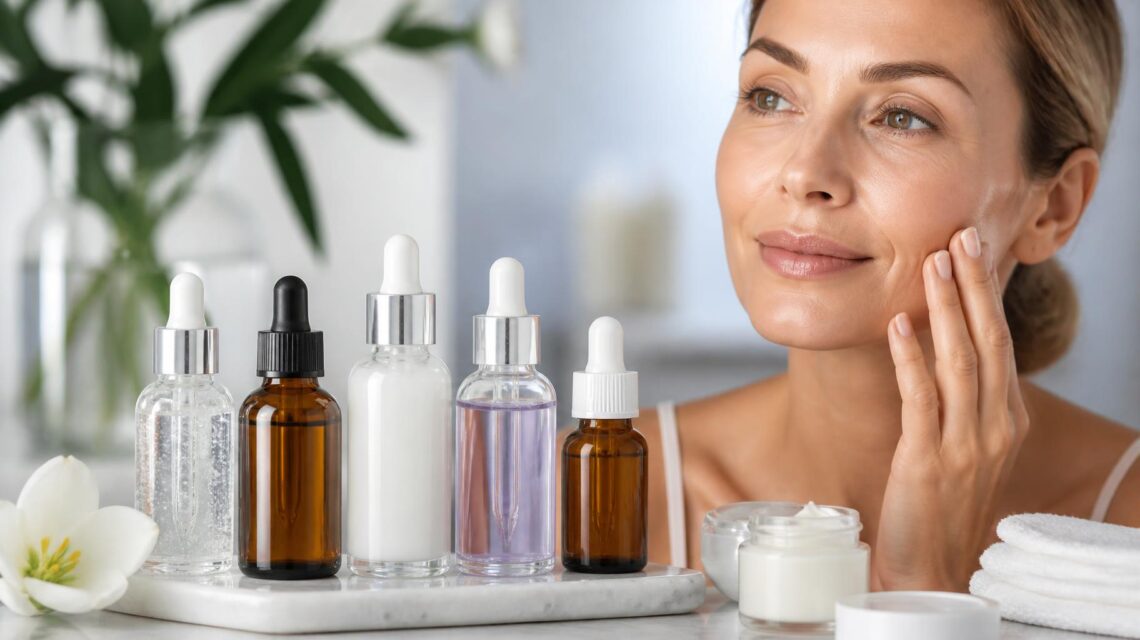
Finding an effective anti-aging serum no longer means spending luxury-level prices. Today’s drugstore skincare aisle is filled with formulas packed with dermatologist-favorite ingredients like retinol, hyaluronic acid, vitamin C, niacinamide, and peptides. These powerhouse ingredients can help address some of the most common concerns associated with aging skin, including fine lines, dullness, uneven tone, dehydration, and loss of firmness.
If you have been searching for the best drugstore anti-aging serums that rival expensive brands, the good news is that affordable skincare has come a long way. Many budget-friendly serums now feature science-backed formulations, elegant textures, and impressive performance that can compete with high-end products. The key is knowing which ingredients to look for and how to choose the right serum for your skin type and goals.
Why Drugstore Anti-Aging Serums Are More Effective Than Ever
In the past, premium skincare brands often had the advantage when it came to advanced ingredients and innovative formulations. That gap has narrowed significantly. Drugstore beauty brands now invest heavily in research, stability technology, and ingredient delivery systems, making it possible to offer high-performing treatments at far more accessible prices.
What makes a serum especially valuable is its concentrated formula. Unlike basic moisturizers, serums are designed to deliver a higher amount of active ingredients directly to the skin. That means a well-formulated drugstore serum can target visible signs of aging just as effectively as many prestige options, especially when used consistently.
Some of the biggest reasons shoppers are turning to affordable anti-aging serums include:
- Better ingredient transparency so you know exactly what you are applying
- Lower price points that make long-term skincare routines easier to maintain
- Widespread availability online and in stores
- Comparable active ingredients found in expensive skincare products
- Formulas tailored to different skin types, including sensitive and acne-prone skin
Key Ingredients to Look for in the Best Anti-Aging Serums
Not all serums are created equal. If your goal is smoother, brighter, and firmer-looking skin, it helps to focus on ingredients with proven anti-aging benefits.
Retinol
Retinol is one of the most respected anti-aging ingredients in skincare. It helps accelerate cell turnover, smooth the appearance of fine lines, improve skin texture, and support collagen production. Drugstore retinol serums are often more beginner-friendly than luxury versions, making them an excellent starting point if you are new to retinoids.
Hyaluronic Acid
Hyaluronic acid is ideal for plumping the skin with hydration. As skin ages, it can lose moisture and start to look thinner or more tired. A serum with hyaluronic acid helps draw water into the skin, making fine lines appear softer and the complexion look fresher.
Vitamin C
Vitamin C is known for brightening dull skin, improving the look of dark spots, and protecting against environmental stressors. It is one of the best ingredients for anyone concerned with uneven skin tone and loss of radiance.
Niacinamide
Niacinamide, a form of vitamin B3, is a multitasking favorite. It helps reduce the appearance of enlarged pores, supports the skin barrier, smooths texture, and improves uneven tone. It is especially helpful if you want anti-aging benefits without irritation.
Peptides
Peptides are often included in serums designed to support firmer-looking skin. They help encourage the skin’s natural repair processes and can be an excellent addition to a routine focused on elasticity and resilience.
Best Drugstore Anti-Aging Serums That Rival Expensive Brands
While specific product choices may vary depending on personal preference and skin type, the strongest drugstore anti-aging serums usually fall into a few standout categories. Here is what to look for when comparing your options.
1. Retinol Serums for Fine Lines and Wrinkles
If your main concern is visible lines, wrinkles, or rough texture, a retinol serum is one of the smartest investments you can make. Many drugstore brands now offer encapsulated or slow-release retinol formulas that deliver results while reducing the risk of dryness and irritation.
Choose a retinol serum if you want to:
- Minimize the appearance of fine lines
- Improve skin texture and smoothness
- Support collagen production over time
- Help fade post-acne marks and discoloration
For best results, apply retinol at night and always follow with moisturizer. Daily sunscreen is essential, since retinol can make skin more sensitive to the sun.
2. Hydrating Serums for Plumper, Smoother Skin
Dehydration can make signs of aging look more pronounced. That is why hydrating serums with hyaluronic acid, glycerin, or ceramides are a staple in many anti-aging routines. These formulas are especially useful for dry, mature, or sensitive skin.
A good drugstore hydrating serum can help:
- Make skin look softer and more supple
- Temporarily plump the appearance of fine lines
- Reduce tightness and flaking
- Improve the way makeup sits on the skin
Hydrating serums can be used both morning and night, and they layer well with most other skincare products.
3. Brightening Serums for Dullness and Dark Spots
If your skin has lost some of its glow, a brightening serum with vitamin C or niacinamide can make a noticeable difference. These serums are popular because they target multiple concerns at once, including discoloration, uneven tone, and dullness caused by sun exposure or aging.
Look for brightening serums if you want to:
- Boost radiance
- Fade the appearance of dark spots
- Create a more even-looking complexion
- Defend against environmental damage
Vitamin C is often best used in the morning under sunscreen, while niacinamide can be used morning or night.
4. Barrier-Supporting Serums for Sensitive Aging Skin
Anti-aging skincare does not have to be harsh to be effective. For those with reactive or sensitive skin, barrier-supporting serums with ingredients like niacinamide, ceramides, panthenol, and peptides can improve the look of aging skin while also reducing redness and dryness.
These formulas are a great option if stronger actives have caused irritation in the past. A healthy skin barrier helps skin look smoother, calmer, and more resilient over time.
How to Choose the Right Drugstore Serum for Your Skin Type
The best anti-aging serum is not simply the most expensive or the most talked-about. It is the one that matches your skin’s needs and fits easily into your routine.
For Dry Skin
Look for formulas rich in hyaluronic acid, squalane, glycerin, and ceramides. These ingredients help replenish moisture and soften the look of dryness-related fine lines.
For Oily or Acne-Prone Skin
Choose lightweight, non-greasy serums with niacinamide, retinol, or gentle exfoliating support. These can help improve texture and signs of aging without feeling heavy.
For Sensitive Skin
Stick to fragrance-free formulas with peptides, niacinamide, panthenol, and soothing hydrators. Start slowly with stronger actives and patch test first.
For Combination Skin
Combination skin often benefits from versatile formulas that balance hydration without clogging pores. Serums with niacinamide and hyaluronic acid are often a strong fit.
How to Use an Anti-Aging Serum for the Best Results
Even the best drugstore anti-aging serum will not deliver its full potential if it is used inconsistently or layered incorrectly. A few simple habits can make a big difference.
- Apply to clean skin after cleansing and before moisturizer
- Use only a few drops since serums are concentrated
- Introduce active ingredients slowly, especially retinol
- Layer thoughtfully to avoid combining too many strong actives at once
- Wear sunscreen every morning to protect skin and