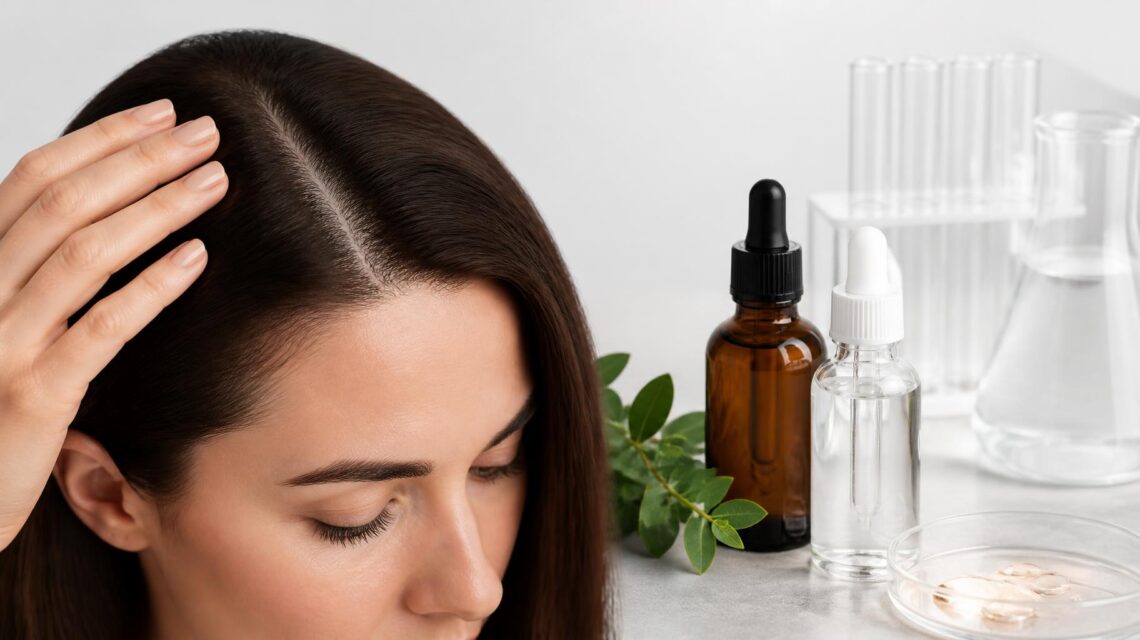
Hair thinning can feel frustrating, personal, and difficult to navigate, especially with so many products promising dramatic results. The good news is that several dermatologist-recommended hair growth treatments are backed by science and increasingly available to people dealing with shedding, pattern hair loss, or weaker strands. Among the most talked-about options today are peptides, growth factors, and minoxidil—each offering a different path to supporting scalp health and encouraging stronger hair growth.
While no single treatment works the same way for everyone, understanding how these options function can make it easier to build a routine that is both realistic and effective. Below is a closer look at how these hair growth treatments work, who may benefit most, and what to know before adding them to your regimen.
Why Hair Loss Happens in the First Place
Before choosing a treatment, it helps to understand that hair loss is rarely caused by just one issue. Hair growth is influenced by genetics, hormones, inflammation, stress levels, nutrition, age, and overall scalp condition. In many cases, thinning hair is linked to common conditions such as:
- Androgenetic alopecia, also known as male or female pattern hair loss
- Telogen effluvium, a temporary shedding phase often triggered by stress, illness, or hormonal shifts
- Postpartum hair loss
- Inflammatory scalp conditions that disrupt the hair follicle environment
- Hair breakage caused by heat, overprocessing, or tight hairstyles
Because the causes vary, dermatologists often recommend a tailored approach instead of relying on a single miracle product. That is why ingredients like peptides and growth factors are generating interest alongside established treatments such as minoxidil.
Minoxidil: The Most Established Hair Regrowth Option
When dermatologists discuss topical hair growth treatments, minoxidil is usually one of the first options mentioned. It remains one of the most widely studied and trusted treatments for certain types of hair loss, especially pattern hair thinning.
How Minoxidil Works
Minoxidil is believed to help hair by prolonging the growth phase of the hair cycle and improving blood flow around hair follicles. This can encourage miniaturized follicles to produce thicker, longer strands over time. It does not create brand-new follicles, but it can help existing ones perform better.
Who May Benefit from Minoxidil
Minoxidil is commonly recommended for people experiencing:
- Female pattern hair loss
- Male pattern baldness
- General thinning at the crown or widening part line
- Early-stage hair loss where follicles are still active
It is available in foam and liquid formulas, often in 2 percent or 5 percent strengths depending on the individual and treatment plan.
What to Expect
One of the biggest challenges with minoxidil is patience. It can take three to six months to begin seeing visible improvement, and consistent use is essential. Some people notice increased shedding at first, which can happen as hair cycles reset. This stage can be alarming, but it is often temporary.
Potential side effects may include scalp irritation, dryness, or buildup, particularly with certain formulations. For this reason, dermatologists may help patients choose a version better suited to sensitive scalps.
Peptides for Hair Growth: Why They Are Gaining Attention
Peptides have become a buzzworthy category in scalp and hair care, but their role is more than a marketing trend. In skincare, peptides are valued for supporting repair and signaling functions, and similar concepts are being applied to scalp health and hair support.
What Peptides Are
Peptides are short chains of amino acids, which are the building blocks of proteins. Because hair is primarily made of keratin, ingredients that help support protein signaling and follicle environment may be useful as part of a broader hair care strategy.
How Peptides May Support Hair
In hair products and scalp treatments, peptides are often included to help:
- Support the scalp barrier
- Improve the condition of the follicle environment
- Encourage healthier-looking, stronger strands
- Reduce brittleness and breakage when used in supportive formulas
Some peptide-based hair serums are designed to create a healthier scalp ecosystem rather than directly functioning like a drug. This distinction matters. Unlike minoxidil, peptide products may be better understood as supportive treatments that help optimize conditions for growth.
Who Might Consider Peptide Hair Treatments
Peptide-based formulas may appeal to people who:
- Have mild thinning or early hair density concerns
- Want to support scalp health alongside medical treatment
- Experience hair weakness or breakage
- Prefer adding a cosmetic scalp serum to their routine
Dermatologists often view peptides as promising, especially when used with other evidence-based strategies. However, results depend heavily on formulation quality, concentration, and the underlying cause of hair loss.
Growth Factors: A More Advanced Approach
Growth factors are another category attracting attention in dermatology and regenerative aesthetics. These are naturally occurring signaling proteins that play a role in cell communication, repair, and tissue regeneration. In hair care, the idea is that they may help support follicle function and scalp renewal.
How Growth Factors Are Used in Hair Treatments
Growth factors may appear in topical serums, in-office procedures, or physician-guided treatment plans. Their potential appeal lies in their ability to help signal biological processes associated with healing and regeneration. For the scalp, this may mean improving the environment in which hair follicles operate.
In some settings, growth factors are also discussed alongside treatments such as microneedling or regenerative scalp therapies, where enhancing cellular signaling is part of the goal.
Potential Benefits of Growth Factors
- They may help support scalp renewal
- They can be part of a strategy focused on follicle health
- They are often used in more targeted, dermatologist-guided routines
- They may complement other treatments rather than replace them
That said, growth factor technology can be more expensive than standard hair products, and consumer understanding is still catching up with the science. Not every serum is created equal, and clinical validation varies from brand to brand.
Peptides vs. Growth Factors vs. Minoxidil
Although these treatments may all fall under the hair growth umbrella, they are not interchangeable.
Key Differences
- Minoxidil is the most established over-the-counter treatment for pattern hair loss and has the strongest track record for regrowth support.
- Peptides are often used to support scalp condition and strand strength, making them a helpful addition to a broader routine.
- Growth factors are typically positioned as advanced scalp-support ingredients that may assist with follicle signaling and regeneration-focused care.
For many people, the best approach may not be choosing one over the others but using them strategically depending on scalp needs, sensitivity, and diagnosis.
What Dermatologists Often Recommend Alongside Treatment
Even the best topical treatment is less effective if the underlying issue is ignored. Dermatologists frequently recommend looking at the full picture of scalp and hair health.
Important Supportive Strategies
- Get an accurate diagnosis before spending money on multiple products
- Check for nutritional deficiencies such as low iron, vitamin D issues, or inadequate protein intake
- Manage scalp inflammation if dandruff, itching, or irritation is present
- Reduce excessive heat styling and harsh chemical processing
- Be consistent, since hair treatments usually require months, not days, to show results
In some cases, doctors may also discuss oral medications, hormonal evaluation, platelet-rich plasma treatments, or lifestyle factors contributing to shedding.
How to Choose the Right Hair Growth Treatment
The right product or treatment depends on your goals and the nature of your hair loss. If you are dealing with genetically driven thinning, minoxidil may be the most obvious place to start. If your concern is a weakened scalp barrier