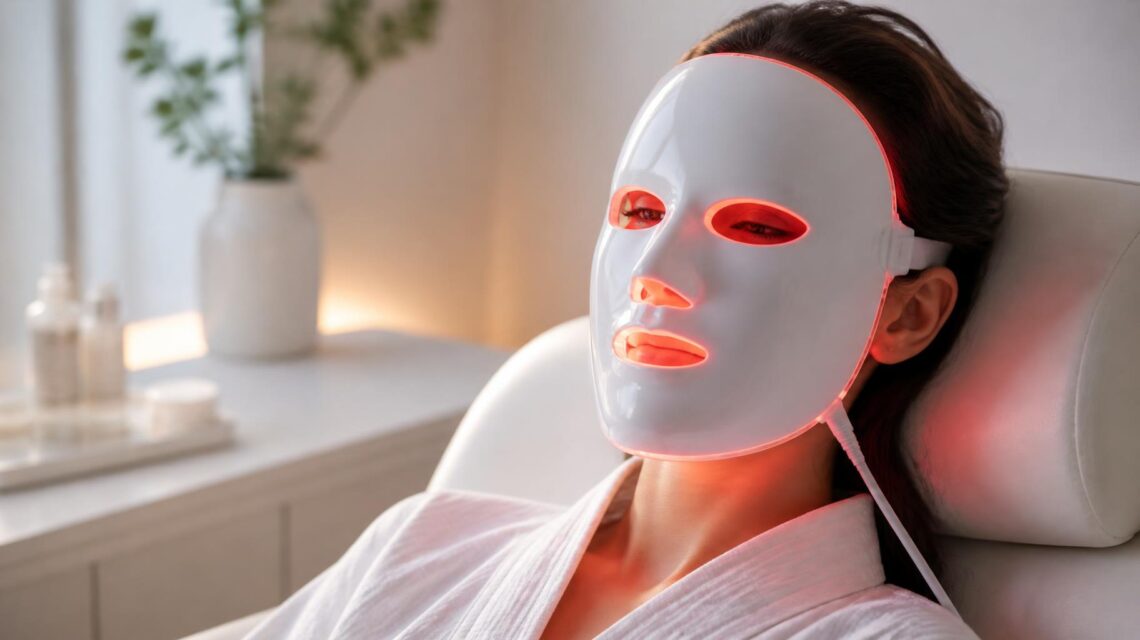
Premium at-home beauty devices are supposed to make skincare feel easier, smarter, and more effective. So when a high-end LED face mask comes with an $800 price tag, expectations naturally rise. Buyers are not just paying for red light therapy. They are paying for convenience, comfort, reliability, and visible results. That is exactly why a product in this category can feel especially disappointing when the experience does not match the cost.
The growing popularity of LED face masks has turned them into one of the most talked-about skincare tools on the market. Promising benefits such as smoother skin, reduced inflammation, fewer breakouts, and a more even complexion, these masks are marketed as a professional-style treatment you can use at home. But as interest grows, so does scrutiny. A luxury device has to do more than simply look futuristic. It needs to fit into daily life smoothly and actually feel worth the investment.
That is where frustration enters the picture. When a beauty gadget is expensive, users tend to judge every detail more harshly, from design and usability to treatment time and comfort. If the mask feels awkward, difficult to wear, limited in flexibility, or underwhelming in performance, even small issues become much harder to forgive.
Why LED face masks have become so popular
LED light therapy has built a strong reputation in skincare over the past several years. Originally associated more with dermatology offices and spas, it has now gone mainstream thanks to the rise of at-home beauty technology. Consumers are increasingly willing to spend on devices that promise long-term skin improvements without invasive procedures.
Different light wavelengths are commonly associated with different benefits. In broad terms:
- Red light is often promoted for supporting collagen production and reducing the appearance of fine lines.
- Blue light is commonly linked to targeting acne-causing bacteria.
- Near-infrared light is frequently discussed in relation to deeper skin support and recovery.
This kind of marketing is highly appealing. A mask that sits on your face for a few minutes a day sounds like a simple way to improve skin quality over time. That promise becomes even more attractive when paired with sleek branding and luxury positioning. However, popularity alone does not guarantee satisfaction.
The problem with ultra-premium skincare gadgets
High price points can create a dangerous gap between promise and reality. A device that costs hundreds of dollars does not just compete with other LED masks. It also competes with facials, dermatologist visits, prescription skincare, and lower-cost devices that may offer similar technology.
When someone spends $800 on an LED face mask, they expect:
- Comfortable wearability
- Simple controls and easy setup
- Reliable battery life or charging design
- Clear instructions
- Consistent treatment sessions
- Visible skincare benefits over time
If any of these areas feel compromised, the overall experience can become far more irritating than it would with a cheaper product. Consumers are often willing to forgive imperfections in an affordable device. Luxury products, on the other hand, are judged against a much higher standard.
What makes an expensive LED face mask frustrating?
Frustration with a premium beauty device usually does not come from one single flaw. It tends to come from a collection of design or usability issues that pile up over time. Even if the light therapy technology itself is legitimate, the user experience can still undermine the product.
1. Comfort and fit issues
A face mask needs to literally fit the face. That sounds obvious, but wearable skincare devices often struggle in this area. Faces vary widely in shape and size, and a rigid or poorly balanced mask can feel uncomfortable very quickly. Pressure points around the nose, forehead, or cheekbones can make treatment sessions unpleasant rather than relaxing.
For a product used repeatedly, comfort matters just as much as technical specs. A mask can have impressive light output, but if users dread putting it on, compliance drops. And without regular use, even the best skincare device is unlikely to deliver meaningful results.
2. Inconvenient design
One of the main selling points of at-home LED therapy is convenience. But some masks fail exactly where they should shine. Cords, bulky controllers, awkward straps, and restrictive movement can make treatment feel like a chore. Instead of multitasking while wearing the mask, users may feel forced to sit still and manage the device carefully.
That kind of friction matters. Modern consumers want beauty tech that fits seamlessly into busy routines. If a mask adds complexity instead of reducing it, disappointment is inevitable.
3. Questionable value for money
An $800 product has to justify itself in a very crowded beauty market. There are now many LED masks and light therapy tools available across a broad price spectrum. Some are significantly less expensive while still offering multiple light modes and ergonomic designs.
This leads buyers to ask an important question: What exactly makes this mask worth $800? If the answer is not obvious in terms of build quality, comfort, treatment efficiency, or results, the price begins to feel inflated rather than premium.
4. Results that take time
LED skincare is not usually an overnight solution. Like many non-invasive treatments, it often requires consistency over weeks or months to show visible improvement. That reality can clash with consumer expectations, especially when the product is expensive and heavily marketed.
Even when results are possible, the slow pace can still feel frustrating. Users may wonder whether the device is working, whether they are using it correctly, or whether the improvements are too subtle to justify the commitment. The longer the wait, the more every inconvenience stands out.
The gap between beauty marketing and real-life use
Beauty technology often looks best in promotional campaigns. Ads show flawless skin, serene treatment moments, and effortless routines. In real life, things are messier. A mask may slip, feel heavy, interfere with glasses, press against the skin awkwardly, or simply look far less elegant when used outside a carefully staged environment.
This gap between aspiration and actual use is one of the biggest reasons luxury beauty tools can be so polarizing. Consumers are not only evaluating skincare outcomes. They are evaluating whether the experience feels premium every time they use it.
In a saturated market, design details can strongly influence customer sentiment. That includes:
- How intuitive the controls are
- How easy it is to clean
- Whether it feels durable
- How portable it is
- Whether the treatment length feels manageable
When those practical details are overlooked, even a technologically advanced device can become more annoying than helpful.
Are LED face masks actually effective?
This is the question many consumers ask before spending serious money. The answer is nuanced. LED light therapy does have scientific support in certain skincare contexts, particularly when used consistently and appropriately. However, the effectiveness of at-home devices can vary depending on wavelength, intensity, treatment duration, and overall product quality.
That does not mean every expensive mask is automatically superior. Price does not always equal better engineering or better results. In some cases, consumers may be paying more for branding, design identity, or market positioning rather than a major difference in performance.
For shoppers researching the best LED face mask for anti-aging or acne, it is important to look beyond advertising language. Consider:
- Clinical backing or testing information
- Transparency about wavelengths used
- User comfort and fit
- Session frequency requirements
- Return policies and warranty coverage
A mask that looks luxurious but is frustrating to use can quickly end up abandoned in a drawer, which makes even a mildly effective product a poor investment.
Who should think twice before buying a luxury LED mask?
Not every skincare enthusiast needs a top-tier LED device. In fact, many buyers may be better served by less expensive options or by professional guidance before making such a large purchase.
You may want to think carefully before buying an ultra-premium LED mask if:
- You prefer quick, dramatic skincare results
- You struggle to maintain daily or near-daily routines
- You are sensitive to pressure or discomfort on the face
- You are mainly attracted by hype rather than specific skin goals
- You have not compared lower-priced alternatives
Consumers who succeed with these devices are often those who are patient, consistent, and realistic about outcomes. They also tend to place value on incremental skin support rather than instant transformation.
What consumers really want from premium beauty tech
The