Mixing Syringe: Exploring Potential Peptide Wellness Benefits
Peptides have become increasingly popular in conversations about wellness, fitness, healthy aging, and personalized health care. As interest grows, so does the need for accurate information about the tools used to prepare and administer peptide-based products. One commonly discussed item is the mixing syringe, a medical device associated with the preparation of certain injectable compounds.
Although the phrase may sound straightforward, a mixing syringe should never be viewed as a casual wellness accessory. Peptide products can differ significantly in formulation, concentration, storage requirements, and intended use. Safe preparation depends on professional guidance, sterile technique, and compliance with the instructions provided by a qualified health care professional or licensed pharmacy.
What Is a Mixing Syringe?
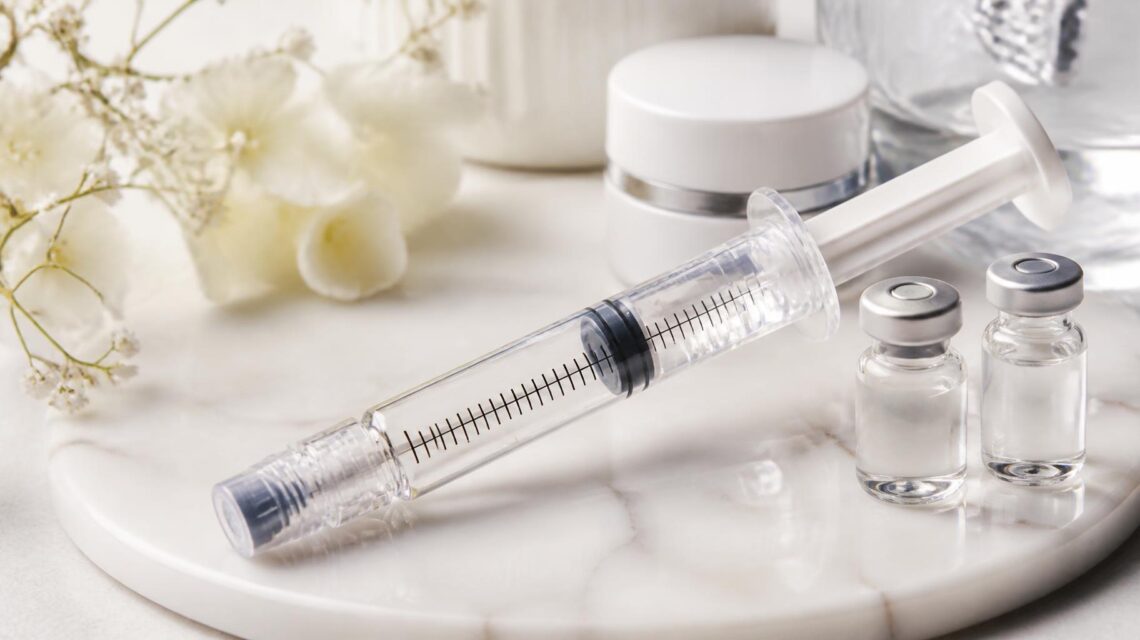
A mixing syringe is a sterile syringe designed to help transfer or combine liquid components during the preparation of certain injectable medications or compounds. In some settings, it may be used to draw a diluent and add it to a powdered product before administration. Depending on the product and clinical protocol, different syringe types, needle sizes, and volumes may be required.
The term is sometimes used broadly online, which can create confusion. A mixing syringe is not necessarily the same as an insulin syringe, injection syringe, or specialized transfer device. Each product has a specific purpose, and using the wrong equipment may increase the risk of contamination, inaccurate measurement, leakage, or injury.
For that reason, individuals should not select a syringe based only on appearance or online recommendations. The appropriate device should be supplied or recommended by a licensed professional who understands the medication, the preparation process, and the patient’s needs.
Why Are Peptides Discussed in Wellness?
Peptides are short chains of amino acids that occur naturally in the body. They can act as signaling molecules and may influence a variety of biological processes. In medical research, peptides have been studied in connection with metabolism, hormone regulation, tissue repair, immune activity, and other physiological functions.
Some peptide-based medications have established clinical uses and are approved by relevant regulatory authorities. Other products marketed for wellness, body composition, recovery, or healthy aging may be investigational, compounded, or not approved for the claims being made. The distinction is important because evidence, quality controls, and known risks can vary substantially.
Potential areas of interest in peptide research include:
- Support for specific metabolic pathways under medical supervision
- Research into appetite and weight-management mechanisms
- Investigation of tissue recovery and cellular signaling
- Study of hormone-related functions and endocrine health
- Exploration of healthy aging and resilience
These areas represent research interests, not guaranteed outcomes. A peptide’s laboratory findings or early clinical data do not automatically demonstrate that it is safe, effective, or appropriate for general wellness use.
The Role of Proper Preparation
When a peptide product requires preparation before use, accuracy and sterility are essential. The process may involve a powdered compound, a prescribed diluent, and a sterile container. If preparation is performed incorrectly, the product may become contaminated or have a different concentration than intended.
Even a small measurement error can alter the amount delivered. This is particularly important with compounds that are used in very small volumes, where a minor difference may represent a meaningful change in dose. A mixing syringe with clear, accurate graduations may help a trained professional measure liquid more precisely, but the syringe itself cannot compensate for an incorrect protocol.
Safe preparation generally depends on the following principles:
- Use only products obtained through a legitimate, licensed source.
- Follow the exact instructions supplied by the prescribing clinician or pharmacy.
- Use sterile, single-use equipment when directed.
- Inspect packaging and products for damage, cloudiness, particles, or unusual changes.
- Observe the storage temperature and expiration instructions.
- Never share syringes, needles, medication, or preparation supplies.
- Dispose of used sharps in an approved sharps container.
These are general safety principles, not a substitute for hands-on medical instruction. Individuals should not attempt to prepare or inject a peptide product without receiving appropriate guidance.
Potential Benefits of a Properly Selected Mixing Syringe
The main benefit of a suitable mixing syringe is not that it improves the biological effect of a peptide. Instead, its value lies in supporting accurate and hygienic preparation when used within an approved medical process.
Improved Measurement Accuracy
Clearly marked graduations may make it easier for a trained user to measure the required volume. Accurate measurement is especially important when a product is concentrated or prescribed in small quantities.
Reduced Preparation Errors
Using equipment that matches the pharmacy’s instructions can reduce confusion during preparation. A syringe that is too large, too small, or poorly marked may make accurate measurement more difficult.
Support for Sterile Handling
Sterile, single-use devices are designed to reduce the risk of introducing bacteria or other contaminants. However, sterility depends on maintaining an appropriate environment and handling the equipment correctly. A sterile package should not be used if it has been opened, damaged, or compromised.
Greater Consistency
When a health care professional uses the same approved equipment and follows a consistent protocol, preparation may be more repeatable. Consistency can be helpful when monitoring response, side effects, and laboratory results over time.
Mixing Syringe Versus Injection Syringe
Mixing and injection syringes may look similar, but they may serve different functions. A mixing syringe can be intended for transferring a diluent or preparing a compound, while an injection syringe is designed for administration into a specified route, such as subcutaneous or intramuscular tissue.
The needle length, gauge, volume, and design can vary according to the medication and the intended use. Substituting one type for another without professional advice may create problems with dosing, comfort, tissue injury, or delivery.
Labels such as “insulin syringe” can also be misleading. Some syringes are calibrated in units associated with insulin, while other medications are prescribed in milligrams, micrograms, milliliters, or other measurements. These units are not interchangeable. A person should never convert between units using an online chart unless the calculation has been confirmed by a qualified clinician or pharmacist.
Safety Considerations for Peptide Wellness Products
Peptide-related wellness marketing can sometimes promise rapid fat loss, improved athletic recovery, youthful skin, increased energy, or enhanced performance. Such claims should be approached carefully. Products sold through unverified websites, social media, or informal networks may be mislabeled, contaminated, incorrectly concentrated, or stored improperly.
Potential concerns may include allergic reactions, injection-site complications, interactions with other medicines, changes in blood sugar, effects on blood pressure, hormonal disturbances, or unknown long-term risks. The risk profile depends on the specific compound, the individual’s health status, the dose, and the source of the product.
People who are pregnant or breastfeeding, managing diabetes, living with liver or kidney disease, taking hormone-related medication, or preparing for surgery should discuss peptide use with a health care professional before considering any product. Medical supervision is also particularly important for anyone with a history of medication allergies or adverse reactions to injections.
How to Choose a Mixing Syringe Safely
The safest approach is to obtain the syringe directly from the prescribing clinic, licensed pharmacy, or another regulated medical supplier. Ask the pharmacist or clinician:
- What type and size of syringe is required?
- Is the syringe intended for mixing, administration, or both?
- What units are used for measuring the medication?
- How should unused supplies be stored?
- How should used needles and syringes be discarded?
- What signs of contamination or product damage should be reported?
Avoid products with unclear labeling, missing instructions, damaged packaging, or claims that appear too good to be true. Price alone should not determine the choice. Quality, sterility, traceability, and compatibility with the prescribed product are more important.
Frequently Asked Questions
Can a mixing syringe make a peptide more effective?
No. A syringe does not enhance the biological action of a peptide. Its purpose is to support accurate preparation or transfer when used as part of an appropriate medical protocol.
Can I reuse a mixing syringe?
Single-use syringes should not be reused. Reuse can increase the risk of contamination, infection, damaged needles, and inaccurate measurement.
Are all peptide products safe for wellness use?
No. Approval status, manufacturing standards, evidence, and safety can differ widely. A clinician or pharmacist can help determine whether a specific product is legitimate and suitable.
Final Thoughts
A mixing syringe may be a small part of a peptide preparation process, but it plays an important role in accuracy and sterile handling when selected and used correctly. The potential wellness benefits associated with peptides depend on the specific compound, the quality of evidence, the individual’s health, and appropriate medical oversight—not on the syringe itself.
Anyone considering peptide-based treatment should prioritize licensed medical advice, regulated products, careful monitoring, and realistic expectations. Avoid self-directed preparation or injection based solely on online instructions. A qualified health care professional can explain whether a peptide is appropriate, identify the correct equipment, and provide guidance designed to protect your health.