A bronzed complexion is often associated with health and vitality, but achieving a tan through unregulated products can carry serious risks. Melanotan 1 is frequently discussed online as a tanning peptide, although the term is used to describe two very different things: an investigational or unapproved cosmetic tanning product, and afamelanotide, a prescription medicine used for a specific medical condition.
Understanding the difference is essential before considering any product marketed as Melanotan 1. The name, claims, and product quality can vary widely, and products sold online may not contain what their labels state. Here is what to know about Melanotan 1, its potential effects, safety concerns, and safer alternatives for a tanned look.
What Is Melanotan 1?
Melanotan 1 is a synthetic analogue of alpha-melanocyte-stimulating hormone, commonly abbreviated as α-MSH. This hormone is involved in stimulating melanocytes, the skin cells responsible for producing melanin. Melanin is the pigment that contributes to skin, hair, and eye colour and helps absorb some ultraviolet radiation.
In online beauty and fitness communities, Melanotan 1 may be promoted as an injectable or nasal tanning product designed to darken the skin without prolonged sun exposure. However, these cosmetic products are generally not authorised medicines, and their manufacturing, contents, sterility, and dosing may be uncertain.
Afamelanotide is a related prescription medicine that has been developed for medical use. In some countries, it is authorised as an implant for adults with erythropoietic protoporphyria, or EPP, a rare condition that can cause severe pain and skin reactions after exposure to light. Its use in that setting is supervised by specialist healthcare professionals and should not be confused with unregulated tanning injections or nasal sprays.
How Melanotan 1 Is Believed to Work
Melanotan compounds imitate some of the activity of α-MSH. By stimulating melanocortin receptors in the skin, they may encourage melanocytes to produce more melanin. This can lead to increased pigmentation in some people.
That effect can sound appealing, particularly to people who burn easily or want a darker appearance without using a sunbed. However, increased pigmentation does not make a product automatically safe. A darker skin tone does not provide reliable protection from ultraviolet radiation, and it does not eliminate the risks associated with sun exposure.
It is also important to recognise that online descriptions often overstate the benefits. Results can vary significantly depending on skin type, product concentration, method of administration, and individual response. Some users may develop uneven pigmentation, dark spots, or changes to existing moles rather than an even, natural-looking tan.
Is Melanotan 1 Approved for Cosmetic Tanning?
In many regions, products sold online as Melanotan 1 for tanning are not approved for cosmetic use. They may be marketed through websites, social media, forums, or beauty suppliers, but availability does not prove that a product has been tested for safety or effectiveness.
Unregulated products may be manufactured in facilities that do not meet pharmaceutical quality standards. They may contain incorrect ingredients, contaminants, excessive concentrations, or no active ingredient at all. Injectable products also carry risks related to contamination and unsafe injection practices.
Afamelanotide should only be used for its approved medical indication and under the supervision of an appropriately qualified healthcare professional. A prescription medicine intended for EPP is not a general-purpose tanning treatment, and it should not be purchased from unofficial sources for cosmetic use.
Potential Side Effects and Health Concerns
The side effects associated with melanotan products may depend on the specific compound, dose, formulation, and route of administration. Because unapproved tanning products may not be accurately labelled, the actual risks can be difficult to predict.
Reported or possible concerns include:
- Nausea, vomiting, stomach discomfort, or reduced appetite
- Headache, dizziness, tiredness, or facial flushing
- Changes in blood pressure or heart rate
- Darkening of freckles, moles, scars, or other pigmented areas
- Uneven or patchy skin pigmentation
- Skin irritation or allergic reactions
- Reduced libido or other hormonal effects
- Infection, abscesses, or tissue damage from injections
One of the most important concerns is the effect on moles and other pigmented lesions. Melanotan products may cause existing moles to become darker or appear different. A changing mole can sometimes be a warning sign of skin cancer, and pigment-altering products may make changes harder to monitor.
There is not enough reliable evidence to confirm the long-term safety of unapproved cosmetic Melanotan 1 products. The absence of immediate symptoms should not be interpreted as proof that a product is harmless.
Melanotan 1 and Skin Cancer Risk
Melanotan 1 products are often described as a way to tan without ultraviolet exposure. However, many users may still sunbathe or use tanning beds while taking them, sometimes believing that a darker colour offers meaningful protection. This can increase cumulative ultraviolet exposure.
Ultraviolet radiation from the sun and tanning beds damages skin cells and contributes to premature ageing, sunburn, eye damage, and skin cancer. A tan is a biological response to skin injury, not a sign of improved skin health.
Even if a melanotan product increases melanin production, it should not be treated as a substitute for sunscreen, protective clothing, shade, or other sun-safety measures. Anyone noticing a new, changing, bleeding, itching, or unusual mole should arrange an assessment with a healthcare professional promptly.
Injection and Online Purchasing Risks
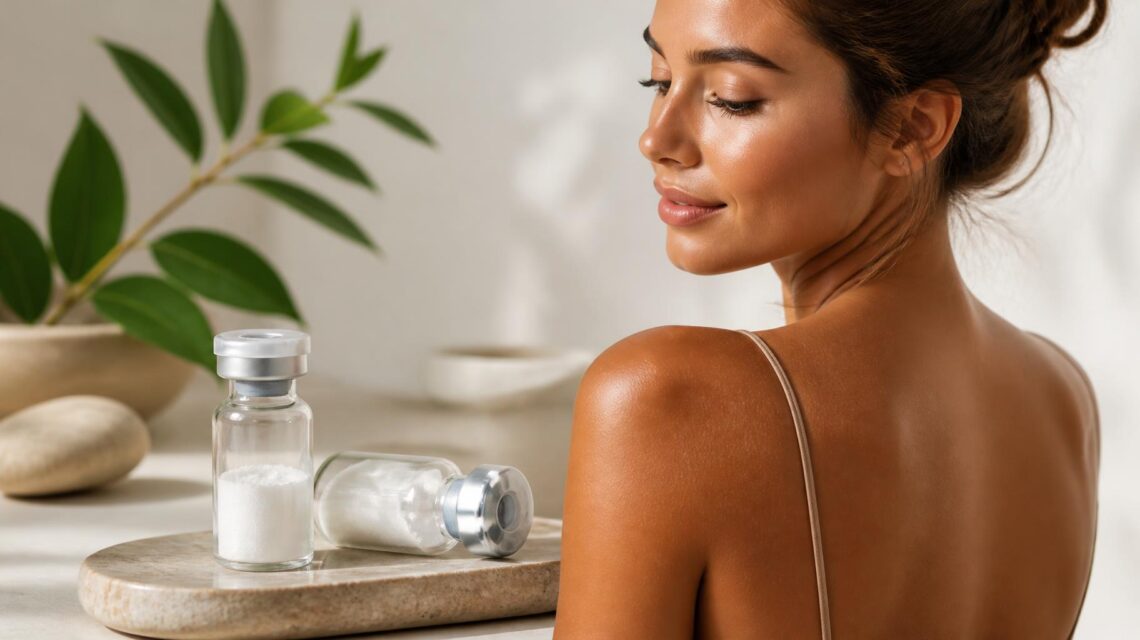
Many products promoted as Melanotan 1 are supplied as powders that users are instructed to mix and inject themselves. This creates additional hazards. Home reconstitution can lead to incorrect dosing, contamination, and accidental exposure. Reusing needles or sharing injection equipment can transmit serious infections.
Online sellers may also make unsupported claims about purity, safety, or clinical testing. Product photographs, customer reviews, and social media testimonials cannot confirm that a product is genuine or suitable for human use. Some websites may sell products labelled for research purposes while encouraging consumers to use them on themselves.
Do not inject an unapproved tanning product or use a nasal tanning spray without discussing the risks with a qualified healthcare professional. If you have already used one and develop severe nausea, chest pain, difficulty breathing, fainting, signs of infection, or a serious allergic reaction, seek urgent medical help.
Safer Ways to Achieve a Tanned Appearance
For people who want a temporary bronzed look, topical self-tanning products are generally a safer option than unapproved injections or nasal products. Most use dihydroxyacetone, commonly called DHA, which reacts with proteins in the outermost layer of the skin to create a temporary brown colour.
Self-tanners do not provide reliable sun protection, so sunscreen is still necessary. To achieve a more even result:
- Exfoliate gently before application, paying attention to elbows, knees, ankles, and dry areas.
- Apply the product evenly with clean hands or a tanning mitt.
- Wash your hands carefully after use to avoid stained palms.
- Allow the product to dry fully before dressing.
- Follow the label instructions and avoid applying it to irritated or broken skin.
- Use a broad-spectrum sunscreen when outdoors, even if the skin appears tanned.
Spray tanning can also provide a temporary colour, but avoid inhaling spray mist and protect the eyes, lips, and mucous membranes. Ask the salon about ventilation and whether appropriate safety procedures are followed.
Questions to Ask Before Using Any Tanning Product
Before using a product marketed as Melanotan 1 or any other tanning peptide, consider whether the claims are supported by evidence and whether the product has been authorised by the relevant medicines regulator. A healthcare professional can help you understand potential risks, especially if you have a history of skin cancer, unusual moles, liver or kidney disease, cardiovascular problems, or hormone-sensitive conditions.
It is also worth asking whether the desire for a tan is leading to frequent sunbathing or tanning-bed use. Reducing ultraviolet exposure is one of the most effective ways to protect skin health and maintain a youthful appearance over time.
The Bottom Line on Melanotan 1
Melanotan 1 is often advertised online as a shortcut to a darker complexion, but cosmetic products sold under this name may be unapproved, poorly regulated, and potentially harmful. They can cause unpredictable pigmentation, side effects, injection-related complications, and difficulty monitoring changes in moles.
Afamelanotide is a specialised prescription treatment for certain patients with EPP and is not a general cosmetic tanning medicine. For a temporary bronzed appearance, a reputable topical self-tanner is a lower-risk alternative, provided it is used according to the instructions and alongside proper sun protection.
If you are considering Melanotan 1, speak with a qualified healthcare professional first. No tanning product can make ultraviolet exposure safe, and a darker complexion should never replace sunscreen, protective clothing, shade, and regular skin checks.