Peptides have become one of the most talked-about ingredients in modern wellness and beauty. From skin serums and collagen powders to hair treatments and recovery supplements, they are often promoted as science-backed compounds that can support everything from a smoother complexion to stronger joints. But do peptides really live up to the hype?
The answer is more nuanced than many marketing claims suggest. Peptides can play a meaningful role in skin care, hair support, and general health, but their effectiveness depends on the type of peptide, how it is delivered, the quality of the product, and what result you are expecting. Some peptides have promising evidence behind them, while others are surrounded by more excitement than proof.
Understanding what peptides are and how they work can help consumers make smarter choices and avoid wasting money on products that sound impressive but deliver little real benefit.
What Are Peptides?
Peptides are short chains of amino acids, which are the building blocks of proteins. In the body, proteins such as collagen, elastin, and keratin are essential for maintaining the structure of skin, hair, muscles, and connective tissue. Peptides act like smaller fragments of these larger proteins and can also function as signaling molecules that tell the body to carry out specific processes.
Because of this, peptides are used in a wide range of products designed to support appearance and performance. You can find them in:
- Topical skin care products
- Hair serums and scalp treatments
- Oral supplements including collagen peptides
- Sports recovery and muscle support formulas
- Medical and therapeutic treatments
Not all peptides are the same. Different peptides have different functions, and it is important to know that the peptide used in a moisturizer is not doing the same thing as the peptide in a supplement or injectable therapy.
How Peptides May Help the Skin
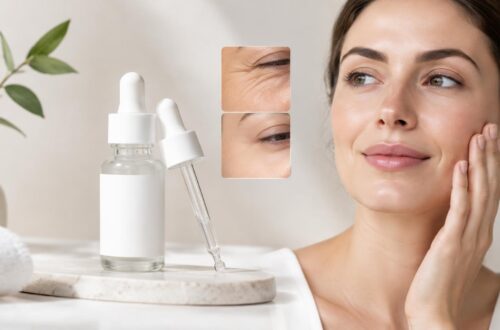
One of the strongest areas of interest for peptides is skin care. As skin ages, collagen production naturally declines, and the skin becomes thinner, drier, and more prone to wrinkles. Certain peptides are included in creams and serums because they may help support the skin’s natural repair functions.
Signal Peptides and Collagen Support
Some peptides are known as signal peptides. These are believed to send messages to skin cells that encourage the production of collagen, elastin, and other proteins that keep skin looking firm and resilient. This is one reason peptide serums are often marketed as anti-aging products.
When used consistently, products containing well-formulated peptides may help improve:
- The appearance of fine lines
- Skin firmness and elasticity
- Hydration retention
- Overall texture and smoothness
That said, results are typically gradual rather than dramatic. Peptides are not instant wrinkle erasers, and they work best as part of a broader skin care routine that includes sun protection, moisturization, and ingredients such as retinoids or antioxidants when appropriate.
Carrier Peptides and Skin Repair
Another category includes carrier peptides, which can help deliver trace minerals like copper to the skin. Copper peptides, for example, are often associated with wound healing, skin repair, and support for collagen and elastin formation.
These peptides have gained popularity because they are often seen as gentler alternatives for people who want anti-aging support without the irritation that stronger actives may cause. While they are not a substitute for medical treatment, they may support healthier-looking skin over time.
Do Peptides Improve Hair Growth?
Peptides are also increasingly used in hair care, especially in products aimed at thinning hair, breakage, and scalp health. The theory is that some peptides may help nourish the scalp, improve the environment around hair follicles, and strengthen the hair shaft.
Scalp Support and Follicle Health
Healthy hair starts with a healthy scalp. Some hair products include peptides to support the proteins that make up hair structure or to help improve scalp condition. Certain formulas may also be paired with ingredients like caffeine, niacinamide, botanical extracts, or growth-supporting compounds.
Potential benefits of peptides in hair care may include:
- Improved hair strength
- Reduced breakage
- Better scalp hydration
- Support for fuller-looking hair
However, people should keep expectations realistic. Hair loss is complex and can be linked to hormones, genetics, stress, nutritional deficiencies, medical conditions, or inflammation. Peptide-based hair products may help support healthier hair, but they are unlikely to reverse significant hair loss on their own.
Anyone dealing with sudden or severe shedding should consult a dermatologist or healthcare professional rather than relying solely on cosmetic products.
Collagen Peptides and Internal Health
Oral collagen peptides are among the most common peptide supplements available today. These are typically made by breaking collagen down into smaller pieces that are easier to digest and absorb. Once consumed, they provide amino acids that the body can use to build and repair tissues.
Potential Benefits of Collagen Peptides
Research on collagen peptides suggests they may offer benefits for certain people, particularly when taken consistently over time. Areas of potential support include:
- Skin hydration and elasticity
- Joint comfort and mobility
- Nail strength
- Muscle recovery when paired with exercise and adequate protein intake
- Support for connective tissue health
These supplements are often marketed heavily for beauty-from-within benefits, but their effects are usually modest. They are not magic powders, and they cannot replace a balanced diet rich in protein, vitamins, and minerals. Still, for some individuals, collagen peptides may be a useful addition to a wellness routine.
Are Oral Peptides Worth Taking?
The value of oral peptide supplements depends on the goal. If someone has an already nutrient-rich diet and healthy lifestyle, the visible difference may be subtle. But for people looking to support aging skin, joints under strain, or recovery demands, high-quality collagen peptide supplements may provide some measurable benefit.
The most important point is that supplements should be seen as supportive tools, not miracle solutions. Product quality, dosage, and consistency matter a great deal.
What Science Says Versus What Marketing Claims
One reason peptides are so popular is that they sound highly scientific. In many cases, that scientific appeal is justified. Some peptides are backed by laboratory and clinical research showing real potential. But the leap from promising study results to guaranteed consumer outcomes is often where confusion begins.
Marketing can oversimplify peptide benefits by suggesting they will visibly reverse aging, produce dramatic hair regrowth, or transform overall health. In reality, the evidence varies widely depending on the product and peptide type.
Consumers should keep these facts in mind:
- Not every peptide has strong human research behind it
- Formulation quality affects whether a peptide remains stable and effective
- Topical products need proper delivery systems to penetrate where needed
- Supplements are most effective when used consistently and alongside healthy habits
- More expensive does not always mean better
Scientific potential does not automatically equal guaranteed results. This is especially important in an industry where trends spread quickly and consumers are often influenced by social media endorsements.
Are Peptides Safe?
For most people, peptides found in skin care products and standard dietary supplements are generally considered safe when used as directed. Topical peptides are often well tolerated, especially compared with some harsher anti-aging ingredients. Oral collagen peptides are also widely used and generally cause few side effects in healthy adults.
However, safety still depends on the source and type of product. Concerns may include:
- Low-quality manufacturing standards
- Undisclosed ingredients in supplements
- Allergic reactions to marine, bovine, or other collagen sources
- Unproven injectable or performance-enhancing peptide therapies
Anyone who is pregnant, breastfeeding, managing a medical condition, or taking prescription medications should speak with a healthcare provider before starting new supplements