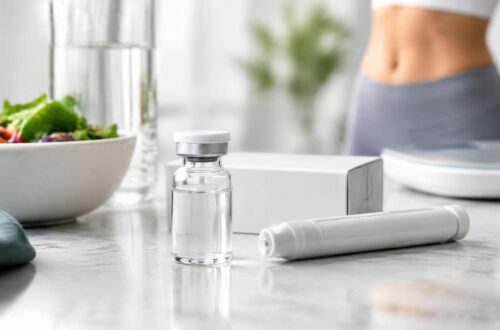
For people with active lifestyles, recovery is often the difference between consistent progress and repeated setbacks. Training, work, sport, and everyday movement place stress on muscles, tendons, ligaments, and connective tissue. This has led to interest in compounds such as TB500, a laboratory-associated peptide often discussed online for its possible role in tissue repair and recovery.
However, interest in TB500 has grown faster than the scientific evidence supporting it. Although related research on thymosin beta-4 has produced intriguing findings in laboratory and early clinical settings, TB500 is not an approved treatment for routine sports recovery, injury rehabilitation, or performance enhancement. Its quality, purity, dosing, and long-term safety may also vary significantly outside regulated medical research.
What Is TB500?
TB500 is commonly described as a synthetic peptide based on, or related to, thymosin beta-4. Thymosin beta-4 is a naturally occurring peptide found in many tissues throughout the body. It has been studied for possible involvement in cell migration, blood vessel formation, inflammation, and tissue remodeling.
It is important to distinguish between naturally occurring thymosin beta-4, research involving specific formulations, and products marketed as TB500. These terms are sometimes used interchangeably online, even though they may refer to different substances or preparations. A product labelled TB500 may not have the same composition, purity, or clinical evidence as a pharmaceutical product studied in a controlled trial.
Many TB500 products are sold through research-chemical or non-medical channels. Such products may not be evaluated by national medicines regulators for safety, effectiveness, sterility, or accurate labelling. This creates uncertainty for anyone considering the peptide for exercise recovery.
Why Are Active People Interested in TB500?
Active individuals often look for ways to manage training fatigue, minor soft-tissue problems, and the demands of frequent exercise. Online discussions commonly associate TB500 with several potential recovery-related effects, including:
- Support for soft-tissue repair
- Assistance with recovery after exercise-related strain
- Possible effects on inflammation and tissue remodeling
- Support for mobility during rehabilitation
- Potential influence on wound-healing processes
These proposed benefits are largely based on laboratory research, animal studies, anecdotal reports, and extrapolation from research involving thymosin beta-4. They should not be treated as established outcomes in humans. A mechanism that appears promising in cells or animals does not automatically mean that an injectable peptide is effective or safe for athletes, recreational exercisers, or people recovering from injury.
Potential Benefits: What Does the Research Suggest?
Possible Role in Tissue Repair
Thymosin beta-4 has been investigated for its involvement in cell movement and tissue repair. In laboratory models, these processes may help cells reach areas of damage and participate in healing. Some research has also explored its relationship with actin, a protein involved in cell structure and movement.
These findings have created interest in whether related peptides could support the repair of muscles, tendons, ligaments, or skin. Nevertheless, evidence from laboratory models cannot establish that TB500 improves recovery after a sports injury. Human connective-tissue healing is complex and depends on the type of injury, blood supply, mechanical loading, nutrition, sleep, and appropriate rehabilitation.
Inflammation and Recovery
Inflammation is a normal part of healing, but excessive or prolonged inflammation can contribute to pain and impaired function. Some experimental studies have examined thymosin beta-4 in relation to inflammatory pathways. This has prompted claims that TB500 may help create a more favourable environment for recovery.
At present, there is not enough high-quality clinical evidence to determine whether TB500 reliably reduces harmful inflammation in active people. Suppressing inflammation without addressing the underlying injury could also be counterproductive. Pain relief or reduced swelling does not necessarily mean that damaged tissue is ready for intense training.
Wound-Healing Research
Research involving thymosin beta-4 has included wound-healing applications, particularly in laboratory and early-stage clinical contexts. Some studies have examined eye conditions and other specific medical problems under controlled conditions. These investigations should not be confused with evidence that commercially marketed TB500 can accelerate general sports recovery.
Formulation, route of administration, dose, patient characteristics, and medical supervision can all influence the outcome. Results from one medical application cannot automatically be transferred to tendon pain, muscle strains, joint problems, or post-training soreness.
What Are the Risks and Safety Concerns?
The most significant concern is the lack of reliable safety information for TB500 products used outside approved research or medical settings. Potential risks may include:
- Uncertain identity, concentration, or purity
- Contamination with bacteria, endotoxins, or other substances
- Injection-site reactions, infections, or abscesses
- Allergic or immune reactions
- Unknown effects on organs, blood vessels, or abnormal cell growth
- Interactions with medicines or existing health conditions
- Delayed diagnosis or treatment of a serious injury
Because some peptides may influence cell migration, blood vessel development, or tissue activity, researchers continue to consider whether there could be unwanted effects in specific medical situations. People with cancer, cardiovascular disease, clotting disorders, autoimmune conditions, or unexplained symptoms should be especially cautious and seek advice from a qualified clinician.
Another concern is that online products may be labelled inaccurately. A sterile-looking vial or professional-looking website does not confirm pharmaceutical quality. Reconstitution and injection also introduce risks when performed without appropriate training and medical oversight.
Is TB500 Legal for Athletes?
Competitive athletes should check the current rules of their governing body and the World Anti-Doping Agency before using any peptide or performance-related product. Substances connected to thymosin beta-4 may fall under prohibited categories, and the status of a particular product can depend on its ingredients and how it is classified.
Athletes are generally responsible for substances found in their bodies, even when a product was purchased legally or marketed as a recovery aid. Contamination and inaccurate labels do not necessarily protect an athlete from an anti-doping violation. Consulting an official anti-doping resource or qualified sports-medicine professional is safer than relying on online forums or vendor claims.
Evidence-Based Alternatives for Recovery
For most active people, the strongest recovery strategy is not a single compound but a consistent combination of proven habits. These approaches can support performance while reducing avoidable injury risk:
- Progressive training: Increase volume, intensity, or frequency gradually rather than making sudden changes.
- Adequate protein: Include sufficient protein across the day to support muscle maintenance and repair.
- Balanced nutrition: Consume enough overall energy, carbohydrates, vitamins, and minerals to match training demands.
- Quality sleep: Aim for a consistent sleep schedule and allow enough time for physical and mental recovery.
- Planned rest: Use rest days, lighter sessions, and variations in training load to manage fatigue.
- Professional rehabilitation: Work with a physiotherapist or sports-medicine clinician for persistent pain or reduced function.
- Gradual return to activity: Resume demanding exercise only when strength, mobility, and symptoms have appropriately improved.
Supplements may have a role in particular circumstances, but they should be selected based on evidence, individual needs, and professional guidance. No supplement or peptide can replace diagnosis, rehabilitation, or sensible training progression.
When Should You See a Healthcare Professional?
Medical assessment is important when pain is severe, follows a significant impact, causes weakness or instability, or does not improve with sensible rest and activity modification. Swelling, bruising, numbness, loss of movement, fever, redness, or an inability to bear weight may require prompt evaluation.
A clinician can identify whether symptoms are caused by a strain, tendon problem, fracture, nerve irritation, joint injury, or another condition. This matters because different injuries require different loading strategies. Attempting to mask symptoms with an unapproved recovery product may allow damage to worsen.
Final Thoughts on TB500 for Recovery
TB500 remains a subject of interest because related thymosin beta-4 research suggests possible involvement in tissue repair, inflammation, and wound-healing processes. However, there is currently insufficient reliable evidence to confirm that TB500 safely or effectively improves recovery for active lifestyles.
The unregulated nature of many products, uncertainty about formulation and dosage, possible injection risks, and anti-doping implications make self-directed use a poor choice. Anyone considering TB500 should discuss the decision with a licensed healthcare professional who understands their medical history, training demands, and applicable sporting regulations.
For sustainable recovery, focus first on sleep, nutrition, progressive programming, appropriate rest, and evidence-based rehabilitation. These fundamentals have a stronger practical foundation and can be tailored safely to individual goals.