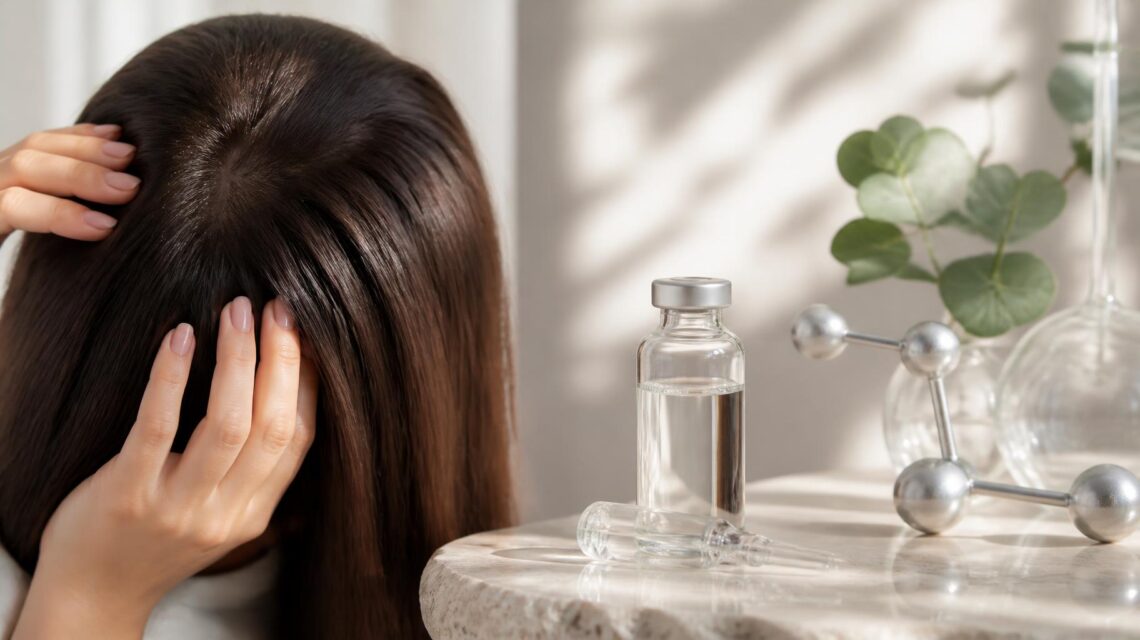
Understanding Hair Loss Peptides
Hair loss peptides are becoming increasingly popular in the world of cosmetic hair care and scalp treatments. These small chains of amino acids are believed to support the biological processes involved in hair growth, including scalp nourishment, follicle activity and the appearance of thicker, fuller-looking hair. They are commonly found in serums, shampoos, leave-in treatments and professional hair restoration formulas.
Although peptides have attracted considerable attention, it is important to understand what they can and cannot do. Hair loss peptides may help improve the condition and visual density of the hair, but they are not a guaranteed cure for baldness or every type of hair thinning. Results can vary depending on the cause of hair loss, the product used and the consistency of application.
What Are Peptides?
Peptides are short chains of amino acids, which are the building blocks of proteins. Proteins such as collagen and keratin play important roles in the structure of skin and hair. In skincare and hair care, certain peptides are used because they may send signals to cells or help support the surrounding tissue.
When applied to the scalp, cosmetic peptides are typically intended to create a healthier environment for existing hair follicles. Some formulas combine peptides with ingredients such as caffeine, niacinamide, botanical extracts, vitamins or hyaluronic acid. The goal is often to support the scalp barrier, reduce the appearance of thinning and improve the strength and texture of the hair that is already growing.
Common Peptides Found in Hair Products
Several peptide ingredients may appear in hair loss and scalp care formulas. Their effects can differ depending on their structure, concentration and how well the product penetrates the scalp.
- GHK-Cu: Also known as copper tripeptide-1, this peptide is often used in cosmetic products designed to support skin repair and scalp conditioning.
- Biotinoyl tripeptide-1: This ingredient is frequently included in formulas marketed for stronger-looking hair and reduced visible shedding.
- Acetyl tetrapeptide-3: Often combined with botanical ingredients, this peptide is used in products aimed at improving the appearance of hair density.
- Signal peptides: These are designed to communicate with skin cells and may help support the appearance and condition of the scalp.
Ingredient names and product claims can be confusing. A reputable formula should clearly list its ingredients and provide directions for use. Consumers should also be cautious of products that promise rapid regrowth or claim to reverse advanced hair loss without clinical evidence.
Potential Benefits of Hair Loss Peptides
Research into peptide-based hair treatments is still developing, but several potential benefits make these ingredients appealing in cosmetic hair care.
Supporting the Scalp Environment
A healthy scalp provides the foundation for healthy-looking hair. Some peptides may help support the skin around the follicles by contributing to a well-conditioned and balanced scalp environment. This may be particularly useful for people experiencing dryness, rough texture or mild scalp irritation caused by harsh products.
However, persistent itching, redness, flaking or inflammation should not be ignored. These symptoms may be associated with conditions such as seborrheic dermatitis, psoriasis or infection, which require appropriate medical care rather than a cosmetic peptide serum alone.
Improving the Appearance of Hair Density
Hair loss peptides may help hair appear fuller by improving the condition of the strands and supporting the appearance of existing follicles. Some formulas are designed to make individual hairs look thicker, reduce breakage and improve shine. These effects can create the impression of increased density even when the number of follicles has not changed.
This distinction is important. A product that makes hair look fuller is not necessarily stimulating new hair growth. Cosmetic improvement can still be valuable, particularly for people with early thinning or fine hair, but expectations should remain realistic.
Helping Strengthen Fragile Hair
Hair that is frequently coloured, heat styled or chemically treated may become weak and prone to breakage. Peptide-containing products can sometimes help improve the feel and manageability of damaged hair. By reducing breakage, they may help preserve length and create a thicker-looking overall appearance.
For the best results, peptide treatments can be paired with gentle hair care habits, including reduced heat exposure, careful detangling and the use of a nourishing conditioner.
Complementing Other Hair Care Ingredients
Peptides are often included in multi-ingredient formulas rather than used alone. They may be combined with caffeine, zinc, panthenol, niacinamide or plant extracts. Each ingredient may target a different aspect of scalp or hair care, making the overall formula more comprehensive.
That said, using more ingredients does not automatically mean a product is more effective. A simple, well-formulated serum may be preferable to an overloaded product that causes irritation or is difficult to use consistently.
What Does the Research Say?
Scientific interest in peptides and hair growth is increasing, but the evidence remains limited compared with established treatments. Some laboratory studies, small clinical trials and manufacturer-sponsored investigations suggest that certain peptides may support follicle-related activity or improve the visual appearance of thinning hair. However, many studies have involved small groups, short follow-up periods or combination formulas.
This makes it difficult to determine whether a specific peptide is responsible for the result. It also means that positive findings from one product cannot automatically be applied to every peptide serum on the market.
People experiencing noticeable or progressive hair loss should consider speaking with a dermatologist. A medical professional can help identify whether the cause is androgenetic alopecia, alopecia areata, telogen effluvium, nutritional deficiency, thyroid disease, medication or another condition. Treating the underlying cause is often more effective than relying on a cosmetic product alone.
How to Use a Peptide Hair Treatment
Most peptide scalp products are designed for regular use. Depending on the formula, the product may be applied once or twice daily to a clean, dry scalp. It is usually best to follow the manufacturer instructions rather than applying a larger amount in the hope of achieving faster results.
- Perform a patch test before applying the product across the entire scalp.
- Apply the recommended amount directly to the areas of concern.
- Massage gently with the fingertips without scratching the scalp.
- Allow leave-in products to absorb before applying other styling products.
- Use the treatment consistently for several months before assessing its effect.
- Stop use if significant burning, swelling, rash or worsening irritation develops.
Hair grows slowly, so visible changes may take time. It can be useful to take photographs under similar lighting every month. This provides a more objective way to monitor changes than relying on daily observations in the mirror.
Hair Loss Peptides Compared With Medical Treatments
Peptide products are generally considered cosmetic or supportive treatments. They may improve the appearance and condition of the hair, but they should not be confused with clinically established therapies for specific types of hair loss.
Depending on the diagnosis, a healthcare professional may discuss treatments such as topical minoxidil, oral medications, corticosteroid therapy, low-level light therapy or hair restoration procedures. Some treatments may not be suitable for everyone, and potential side effects should always be reviewed with a qualified professional.
Peptides may be used as part of a broader hair care routine, but they should not replace medical advice when hair loss is sudden, severe or associated with other symptoms.
Choosing the Best Peptide Serum for Hair Loss
When comparing hair loss peptide products, look beyond bold marketing claims. Choose a formula from a transparent brand that lists the complete ingredient profile and provides clear usage instructions. It can also be helpful to consider whether the product is fragrance-free or suitable for sensitive skin, especially if the scalp is easily irritated.
Important factors to consider include:
- The specific peptides included in the formula.
- Whether the product is intended for the scalp, hair shaft or both.
- Independent testing and credible evidence supporting its claims.
- The presence of potential irritants such as strong fragrance or drying alcohols.
- Whether the product fits comfortably into a routine that can be followed consistently.
Price is not always an indicator of effectiveness. A more expensive product may contain a sophisticated delivery system, but this does not guarantee better results. Consistent use and an accurate diagnosis of the underlying hair loss are often more important.
Final Thoughts on Hair Loss Peptides
Hair loss peptides may offer potential benefits for people seeking fuller-looking hair, improved scalp condition and stronger-feeling strands. Ingredients such as GHK-Cu, biotinoyl tripeptide-1 and acetyl tetrapeptide-3 are commonly used in modern scalp care formulas, although the strength of evidence varies.
These products are best viewed as supportive cosmetic treatments rather than guaranteed hair regrowth solutions. Results may be subtle and gradual, particularly when the product is used to improve the appearance of existing hair. For ongoing or noticeable thinning, professional evaluation is essential to identify the cause and explore evidence-based treatment options.
With realistic expectations, careful product selection and consistent use, a peptide scalp treatment may become a useful part of a comprehensive routine for healthier-looking, fuller hair.