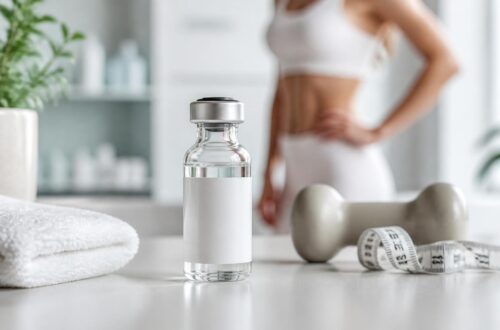
Understanding TB-500 and Recovery
Staying active is an important part of maintaining strength, mobility, cardiovascular health, and overall wellbeing. However, training, work, and everyday movement can place stress on muscles, tendons, ligaments, and joints. This has led many people to search for recovery compounds that may support healing and help them return to activity sooner. One name that frequently appears online is TB-500.
TB-500 is commonly described as a synthetic peptide related to thymosin beta-4, a naturally occurring peptide involved in several biological processes. It is often promoted in online fitness and sports communities as a recovery aid. Despite these claims, TB-500 has not been adequately studied in high-quality human clinical trials for routine injury recovery, athletic performance, or general wellness. Understanding what is known, what remains uncertain, and how to approach recovery safely is essential before considering any peptide product.
What Is TB-500?
TB-500 is generally marketed as a synthetic version or fragment related to thymosin beta-4. Thymosin beta-4 is a naturally occurring molecule that has been investigated for possible roles in cell migration, tissue repair, inflammation, and blood-vessel formation. Laboratory and early-stage research has explored these mechanisms in various settings, but promising biological activity does not automatically establish that a product is safe or effective for people.
It is also important to recognize that online descriptions of TB-500 may not be consistent. Products sold under this name can vary in formulation, purity, concentration, and labeling. Some may not contain the stated ingredient at all. When a substance is purchased from an unregulated source, there may be risks involving contamination, incorrect dosing, sterility, or undisclosed ingredients.
TB-500 Versus Thymosin Beta-4
TB-500 and thymosin beta-4 are often used interchangeably in online discussions, but they should not automatically be treated as identical. The exact structure, formulation, manufacturing process, and pharmacological behavior of a product can affect how it acts in the body. Research involving naturally occurring thymosin beta-4 or experimental formulations may not apply directly to a product labeled TB-500.
This distinction matters because evidence cannot be transferred from one compound to another without appropriate clinical research. Claims based on cell studies, animal research, or anecdotal reports do not provide the same level of confidence as controlled human trials.
Why Active People Are Interested in TB-500
People who train regularly may be interested in TB-500 because injuries and overuse problems can interrupt routines, reduce performance, and affect daily life. Online marketing often associates TB-500 with faster recovery from muscle strains, tendon discomfort, ligament injuries, and other soft-tissue problems. Some discussions also claim that it may support flexibility, reduce inflammation, or help users return to exercise more quickly.
However, these claims remain unproven for routine human use. A faster return to activity is not always a safer return to activity. Pain may decrease before a tendon, muscle, or ligament has regained adequate strength. Continuing to train through an incompletely healed injury can increase the likelihood of reinjury or create a longer-term problem.
What the Research Actually Shows
Research into thymosin beta-4 has produced scientific interest, particularly in areas such as wound healing, tissue remodeling, and cellular movement. Some laboratory and animal studies have reported potentially relevant effects. A small number of early human investigations have also examined related compounds in specific medical contexts.
Nevertheless, the available evidence does not establish TB-500 as a proven treatment for sports injuries or as a reliable recovery supplement. Important questions remain about:
- Whether TB-500 improves meaningful recovery outcomes in humans
- Which injuries, if any, might respond to treatment
- Appropriate dosing, timing, and duration
- Short-term and long-term side effects
- Potential interactions with medicines or medical conditions
- The safety of products obtained outside regulated pharmacies
Personal testimonials should be interpreted carefully. Recovery often occurs alongside rest, rehabilitation, improved sleep, changes in training, and other treatments. An individual may attribute improvement to TB-500 when several factors contributed, or when the original condition would have improved naturally.
Safety Concerns and Potential Risks
Because TB-500 is not an established, widely approved therapy for injury recovery, its complete safety profile is unknown. The absence of reported problems online does not demonstrate that a compound is safe. Some side effects may be underreported, incorrectly attributed, or only become apparent after prolonged use.
Products administered by injection carry additional concerns. These may include infection, abscesses, allergic reactions, tissue damage, incorrect administration, and exposure to contaminated materials. A product that is labeled research use only may not have been manufactured according to the standards required for medicines intended for human treatment.
There may also be theoretical concerns related to how thymosin beta-4 is involved in cell movement and blood-vessel development. These mechanisms require careful assessment, particularly for people with cancer, a history of cancer, blood-clotting disorders, cardiovascular disease, or other complex medical conditions. The lack of sufficient clinical evidence means that risks cannot be confidently predicted for every individual.
Who Should Be Especially Cautious?
Anyone considering an experimental peptide should speak with a qualified healthcare professional first. Extra caution is important for people who are pregnant or breastfeeding, under 18, taking prescription medicines, preparing for surgery, managing diabetes, or living with liver, kidney, immune, cardiovascular, or bleeding-related conditions.
A doctor or sports-medicine professional can help determine whether symptoms represent a minor strain, a tendon injury, a fracture, nerve involvement, or another condition requiring specific treatment. Self-treating a serious injury with an unapproved compound can delay appropriate care.
Sports Regulations and TB-500
Competitive athletes should also consider anti-doping rules. Peptide-based substances and related growth or repair agents may be prohibited by sporting organizations, depending on the current rules and the athlete’s governing body. A product may be marketed as a research chemical or wellness aid while still creating an anti-doping violation.
Athletes should review the current prohibited-substance list that applies to their sport and consult an accredited anti-doping adviser before using any unfamiliar compound. Relying on a seller’s claim that a product is legal, natural, or undetectable is not a reliable way to protect eligibility.
Evidence-Based Ways to Support Recovery
For most active people, recovery is best supported by a structured plan rather than an experimental peptide. The right approach depends on the injury, training history, age, and general health, but commonly includes:
- Professional assessment: Seek medical evaluation for persistent, severe, or worsening pain, swelling, weakness, instability, or loss of function.
- Progressive rehabilitation: Follow exercises that gradually restore range of motion, strength, balance, and sport-specific capacity.
- Load management: Reduce or modify activities that aggravate symptoms while maintaining safe movement where appropriate.
- Adequate protein and nutrition: Consume a balanced diet with sufficient calories, protein, fluids, vitamins, and minerals.
- Quality sleep: Aim for a consistent sleep schedule because sleep supports immune function, hormonal regulation, and tissue recovery.
- Gradual return to training: Increase intensity, volume, and frequency step by step instead of making sudden changes.
- Strength and conditioning: Build capacity in the muscles and tissues that need to handle future training demands.
These strategies may appear less dramatic than a peptide protocol, but they have a stronger foundation in sports medicine and can be adjusted safely by a qualified professional.
Questions to Ask Before Considering TB-500
If you are researching TB-500, ask whether the information comes from controlled human trials or mainly from testimonials and laboratory research. Consider whether the product has been approved by the relevant regulatory authority for the intended use, whether its ingredients have been independently verified, and whether a healthcare professional can monitor treatment safely.
You should also ask what might happen if the injury is misdiagnosed, whether the compound could interact with existing medication, and how adverse effects would be managed. If a seller promises guaranteed healing, rapid results, or a risk-free experience, treat those claims as warning signs.
The Bottom Line on TB-500 for Staying Active
TB-500 is widely discussed as a recovery peptide, but strong evidence supporting its safety and effectiveness in humans is lacking. Online testimonials and early experimental findings are not enough to establish it as a dependable treatment for muscle, tendon, or ligament injuries. Unregulated products may also introduce risks related to contamination, inaccurate labeling, injection complications, and unknown long-term effects.
Staying active safely requires identifying the cause of pain, respecting the body’s healing timeline, and using progressive rehabilitation. Before considering TB-500 or any other experimental peptide, speak with a doctor or qualified sports-medicine professional. A personalized, evidence-based recovery plan can help you remain active while reducing the risk of making an injury worse.