The delicate skin around the eyes is often the first place to show visible signs of aging. Fine lines, puffiness, dark circles, dryness, and loss of firmness can all appear earlier in this area because the skin is thinner and more prone to stress from facial movement, environmental exposure, and lack of sleep. That is why multi-tasking anti-aging eye creams have become a standout category in modern skincare. Instead of targeting just one concern, these formulas are designed to address several common eye-area issues at once, making routines more efficient and results more noticeable.
As skincare continues to evolve, consumers are looking for products that do more than simply moisturize. They want eye creams that hydrate, smooth, brighten, firm, and protect in a single step. This shift has helped transform anti-aging eye creams from optional extras into essential skincare staples for people who want targeted care with maximum benefits.
Why the Eye Area Needs Specialized Care
The eye contour is uniquely vulnerable. It contains fewer oil glands than other parts of the face, which means it can dry out more quickly and show fatigue more easily. Repeated squinting, smiling, blinking, and exposure to blue light, sun damage, and pollution can all contribute to the breakdown of collagen and elastin over time.
Traditional face moisturizers may not always be ideal for this fragile region. Eye creams are typically formulated to be gentler while still delivering concentrated active ingredients in textures that absorb well without feeling too heavy. The best multi-tasking formulas are built to support the eye area in several ways at once, helping users simplify their routine without sacrificing performance.
What Makes a Multi-Tasking Anti-Aging Eye Cream Different
A standard eye cream may focus primarily on hydration, but a multi-tasking anti-aging formula aims to do much more. These creams typically combine ingredients that target a range of concerns associated with aging and fatigue. This all-in-one approach appeals to skincare users who want practical, streamlined solutions.
Key benefits often include:
- Hydration to reduce dryness and improve skin smoothness
- Brightening to minimize the appearance of dark circles
- Firming to support skin elasticity and reduce sagging
- Smoothing to soften the look of fine lines and crow’s feet
- De-puffing to calm under-eye swelling and signs of fatigue
- Protection against environmental stressors that accelerate visible aging
This combination of benefits is what has transformed eye creams into high-performance skincare essentials rather than niche products reserved for mature skin.
Top Ingredients Driving the Eye Cream Evolution
The rise of multi-tasking eye creams is closely tied to ingredient innovation. Today’s formulas are powered by advanced blends that are more effective, better tolerated, and able to address multiple concerns at the same time.
Hyaluronic Acid for Deep Hydration
Hyaluronic acid is one of the most common ingredients in anti-aging eye creams because it attracts and retains moisture. Well-hydrated skin looks plumper and smoother, which can instantly diminish the appearance of fine lines caused by dehydration.
Peptides for Firmness and Support
Peptides are valued for their role in supporting the skin’s natural structure. In eye creams, they are often used to help improve the appearance of firmness and reduce the visible depth of wrinkles over time. This makes them especially useful in formulas aimed at long-term anti-aging results.
Caffeine for Puffiness
Caffeine is widely used in eye treatments because it can help reduce the look of puffiness and tired eyes. It is especially popular in morning skincare routines, when under-eye swelling tends to be more noticeable.
Vitamin C and Niacinamide for Brightening
Dark circles can be caused by pigmentation, thinning skin, or poor circulation, so brightening ingredients are often included in multi-tasking formulas. Vitamin C helps improve radiance, while niacinamide supports the skin barrier and can help even out tone around the eye area.
Retinol and Retinoid Alternatives for Fine Lines
Retinol remains a respected anti-aging ingredient because of its ability to support skin renewal and improve texture. Since the eye area is sensitive, some formulas use gentler retinoid derivatives or plant-based alternatives to help smooth lines without excessive irritation.
Antioxidants for Daily Defense
Antioxidants such as green tea extract, vitamin E, and botanical compounds help defend the skin against free radical damage caused by UV exposure and pollution. These protective ingredients are increasingly important in eye creams that aim to preserve a youthful appearance over time.
The Appeal of an All-in-One Skincare Solution
One major reason these eye creams are attracting attention is convenience. Consumers are becoming more selective about what they include in their skincare routines. Rather than layering several different products, many prefer one effective formula that addresses multiple concerns in a single step.
This all-in-one approach offers several advantages:
- Saves time during morning and evening routines
- Reduces product clutter on the bathroom shelf
- Improves consistency because simpler routines are easier to maintain
- Delivers broader benefits without requiring multiple treatments
- Can be more cost-effective than buying separate products for each issue
For busy professionals, parents, travelers, and minimalists, a multi-tasking eye cream can be a practical and smart skincare investment.
How to Choose the Right Anti-Aging Eye Cream
Not every eye cream works the same way, so choosing the best one depends on your primary concerns, skin type, and ingredient tolerance. Understanding what your eye area needs can help you pick a formula that delivers stronger results.
For Dryness and Crepey Texture
Look for rich but fast-absorbing formulas with hyaluronic acid, ceramides, squalane, and nourishing oils. These ingredients help restore moisture and improve the look of thin, tired skin.
For Dark Circles
Choose products with vitamin C, niacinamide, licorice root extract, or light-reflecting components. If dark circles are related to puffiness, caffeine may also help improve the appearance of the area.
For Fine Lines and Wrinkles
Eye creams that contain peptides, retinol, or collagen-supporting ingredients are ideal for smoother-looking skin. Start slowly with stronger actives if you have sensitive skin.
For Puffiness and Tired Eyes
Cooling gel-creams or lightweight formulas with caffeine, cucumber extract, or soothing botanicals can help the eye area look fresher and more awake.
For Sensitive Skin
Go for fragrance-free formulas with calming ingredients such as aloe, panthenol, allantoin, and ceramides. Avoid overly aggressive exfoliants or high-strength retinoids unless specifically formulated for sensitive eyes.
Best Practices for Applying Eye Cream
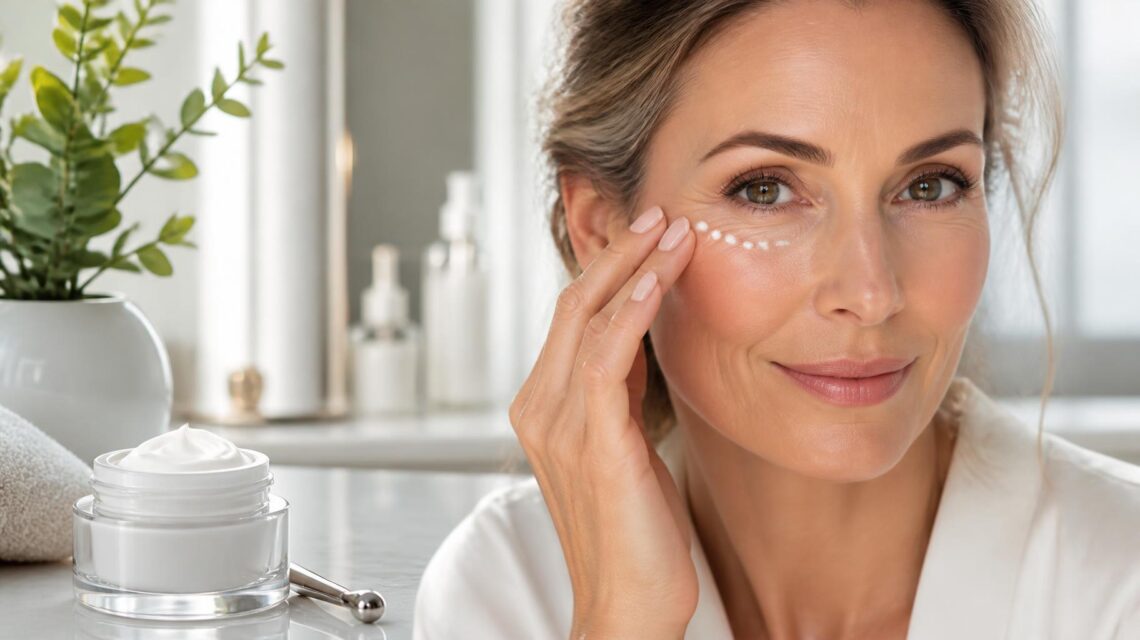
Even the most advanced formula works better when applied correctly. The eye area should be treated gently to avoid unnecessary pulling or irritation.
- Use a pea-sized amount or less for both eyes
- Apply with your ring finger, which naturally uses the least pressure
- Tap the product gently around the orbital bone rather than rubbing it in aggressively
- Avoid applying too close to the lash line unless the product directions say otherwise
- Use morning and night if the formula is designed for twice-daily use
- Pair daytime use with sunscreen on the rest of the face to protect overall skin health
Consistency matters. Most anti-aging eye creams need regular use over several weeks to show visible improvement, especially when targeting firmness and fine lines.
Why These Eye Creams Are Changing the Skincare Market
The popularity of multi-tasking anti-aging eye creams reflects a broader change in the beauty industry. Shoppers are more ingredient-aware, more results-driven, and more interested in products that offer clear value. They want fewer steps, smarter formulations, and visible benefits.
Brands have responded by creating eye creams that blend clinical skincare technology with everyday usability. Lightweight textures, layered benefits, and improved ingredient delivery systems are making these formulas more effective than ever. As a result, eye creams are no longer viewed as a luxury add-on. They are becoming a central part of anti-aging skincare routines across different age groups.
Younger consumers are also