BAC Water: What to Know Before Supporting Your Wellness Routine
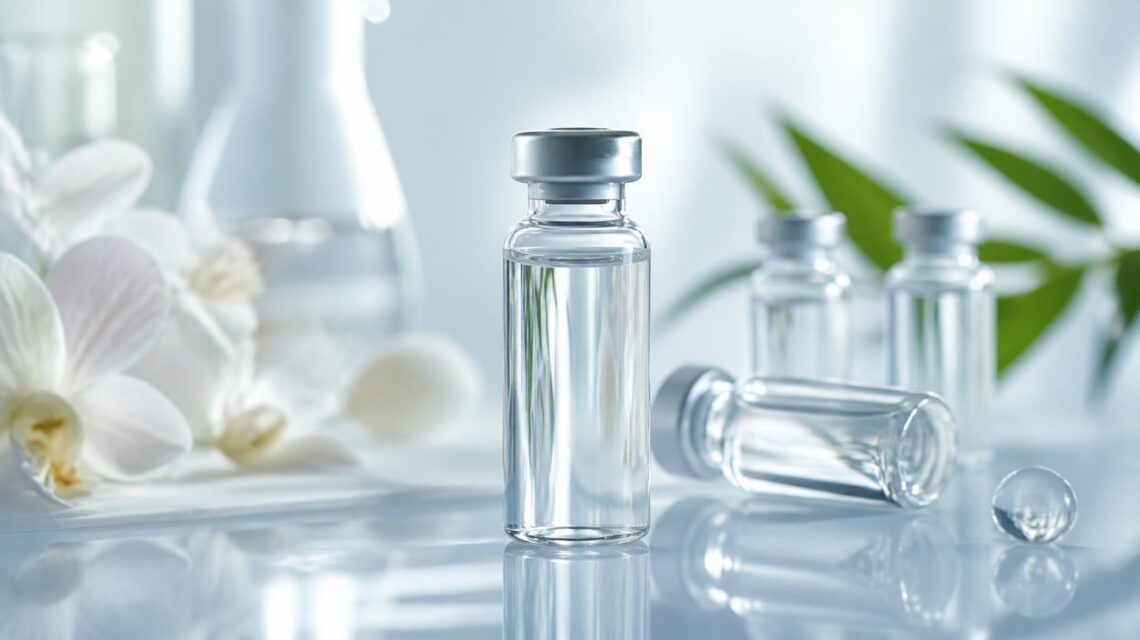
BAC water, short for bacteriostatic water for injection, is a sterile solution commonly used by healthcare professionals to dilute or reconstitute certain injectable medications. It contains sterile water and a small amount of benzyl alcohol, which helps limit the growth of microorganisms after the vial has been opened.
Although BAC water is sometimes discussed in wellness, fitness, and peptide communities, it is still a medical product intended for specific uses. Understanding what bacteriostatic water is, how it differs from other sterile solutions, and what safety considerations apply can help you make informed decisions and avoid preventable risks.
What Is BAC Water?
BAC water is a prescription medical diluent. The abbreviation “BAC” generally refers to its bacteriostatic properties, meaning it is formulated to inhibit the growth of bacteria under appropriate conditions. Its active preservative is typically benzyl alcohol, often present at a low concentration.
The solution itself does not provide vitamins, hormones, peptides, or other active wellness ingredients. Instead, it may be used by qualified healthcare professionals to reconstitute medications that are supplied in powder form. Once prepared according to the medication’s instructions, the resulting solution can be administered through the route specified by the prescribing clinician.
It is important to recognize that BAC water is not a treatment or supplement on its own. It should only be used when it is specifically appropriate for the medication and route of administration involved.
How Does Bacteriostatic Water Work?
The benzyl alcohol in BAC water helps reduce the likelihood that bacteria will multiply in the solution after the vial has been entered. This is why bacteriostatic water is often supplied in a multidose container for use in clinical settings.
However, “bacteriostatic” does not mean “sterile forever” or “risk-free.” The preservative does not replace careful handling, proper storage, or professional preparation. Contamination can still occur if the vial, syringe, needle, or surrounding environment is not handled appropriately.
Every medication has its own requirements for dilution, concentration, storage, and shelf life after reconstitution. A healthcare professional should confirm whether BAC water is compatible with a particular product before it is used.
BAC Water vs. Sterile Water for Injection
BAC water and sterile water for injection are not interchangeable. The main difference is that bacteriostatic water contains a preservative, while sterile water for injection generally does not.
- Bacteriostatic water: Contains benzyl alcohol and may be supplied in a multidose vial.
- Sterile water for injection: Does not contain a bacteriostatic preservative and is commonly intended for single-use applications.
- Compatibility: Some medications may require one type of diluent and may be unsuitable for the other.
- Patient considerations: The preservative in BAC water may not be appropriate for certain people, medications, or routes of administration.
Using the wrong diluent can alter a medication’s stability, effectiveness, or safety. Product labeling and the prescribing clinician’s instructions should always take priority over general online advice.
Why Is BAC Water Used in Wellness Settings?
BAC water is often mentioned in connection with injectable wellness products, including certain prescription therapies and compounded preparations. In legitimate clinical care, a healthcare professional may use a compatible diluent to prepare a medication that requires reconstitution before administration.
Online discussions can make the process seem routine, but injectable products carry meaningful risks. The product being reconstituted, the concentration, the injection route, and the patient’s medical history all matter. A diluent that is appropriate for one medication may be unsuitable for another.
In addition, some products promoted online may not be approved, accurately labeled, or manufactured under reliable quality standards. Purchasing BAC water or an injectable product from an unverified source can increase the risk of contamination, counterfeit packaging, incorrect concentration, and serious injury.
Important Safety Considerations
Benzyl alcohol sensitivity
Some people may be sensitive or allergic to benzyl alcohol. Reactions can include redness, itching, swelling, rash, breathing difficulty, or other symptoms requiring medical attention. Anyone with a known sensitivity should discuss alternatives with a qualified healthcare professional.
Infants and young children
Products containing benzyl alcohol require particular caution in newborns, infants, and young children. Benzyl alcohol exposure has been associated with serious toxicity in vulnerable pediatric patients. A clinician must determine whether a preservative-containing diluent is appropriate.
Intravenous use
Bacteriostatic water is not automatically suitable for intravenous administration. The presence of benzyl alcohol and the characteristics of the medication being prepared must be considered. Never assume that a product can be used intravenously simply because it is labeled sterile.
Contamination and infection
Improper handling of any injectable product can introduce bacteria or other contaminants. This may lead to injection-site infections, abscesses, cellulitis, bloodstream infections, or more serious complications. Sterile preparation requires appropriate training, equipment, and technique.
Medication compatibility
Not every powder medication should be mixed with BAC water. Some products require a particular diluent, while others should not be reconstituted outside a pharmacy or clinical setting. Compatibility can depend on pH, preservatives, concentration, stability, and the intended route of administration.
Storage and Handling Basics
Storage instructions depend on the product’s label and the medication being prepared. In general, BAC water should be kept in its original container, protected from excessive heat and light, and stored out of reach of children. The vial should not be used if the seal is damaged, the solution appears cloudy, particles are visible, or the packaging looks suspicious.
After a vial has been entered, the manufacturer’s instructions and healthcare provider’s guidance should be followed carefully. A preservative does not guarantee that an opened vial remains suitable indefinitely. Expired or improperly stored products should be discarded according to local medication disposal guidance.
Do not share vials, syringes, or needles. Sharing injectable supplies can transmit infections, including bloodborne illnesses. A new sterile needle and syringe are required for each injection, and all preparation should take place in a clean, appropriate environment.
Potential Side Effects and Warning Signs
BAC water itself may cause irritation or an allergic reaction, although symptoms may also be related to the medication being prepared. Possible warning signs include:
- Increasing pain, warmth, redness, or swelling at the injection site
- Pus, streaking, or a growing lump near the injection site
- Fever, chills, dizziness, or feeling unusually unwell
- Hives, facial swelling, wheezing, or difficulty breathing
- Severe or rapidly worsening symptoms after administration
Seek urgent medical care for signs of a severe allergic reaction, breathing difficulty, fainting, confusion, or symptoms of a serious infection. Mild discomfort should still be reported if it persists or worsens.
Questions to Ask Before Using BAC Water
Before a medication is prepared with bacteriostatic water, consider asking a healthcare professional:
- Is BAC water specifically approved or appropriate for this medication?
- Is the preservative suitable for my age, health conditions, and allergies?
- What route of administration is intended?
- How should the prepared medication be stored and handled?
- How long can the prepared solution be used?
- Is the medication from a licensed pharmacy or verified manufacturer?
- What symptoms should prompt immediate medical attention?
These questions are especially important when an injectable product is compounded, purchased online, or promoted as part of a nonstandard wellness program.
Choose Professional Guidance Over Online Shortcuts
Online instructions may leave out essential details, including sterility requirements, medication compatibility, dosage calculations, and patient-specific contraindications. Reconstituting or injecting a product without appropriate training can result in dosing errors, contamination, tissue injury, or delayed treatment of a serious condition.
A licensed prescriber and pharmacist can verify whether BAC water is suitable, provide product-specific instructions, and explain how the prepared medication should be used. If a wellness provider recommends an injectable product, confirm that the provider is properly licensed and that the product comes from a legitimate, regulated source.
The Bottom Line on BAC Water
BAC water is a sterile, prescription diluent containing benzyl alcohol. It may be useful for reconstituting certain injectable medications when directed by a qualified healthcare professional, but it is not a general-purpose wellness product and should not be treated as interchangeable with sterile water for injection.
Safe use depends on the medication, patient, preparation method, storage conditions, and intended injection route. Before adding BAC water to any wellness routine, verify the product’s source, discuss its compatibility with a clinician or pharmacist, and follow the official labeling carefully. Professional oversight is the best way to support safety while reducing the risks associated with injectable therapies.