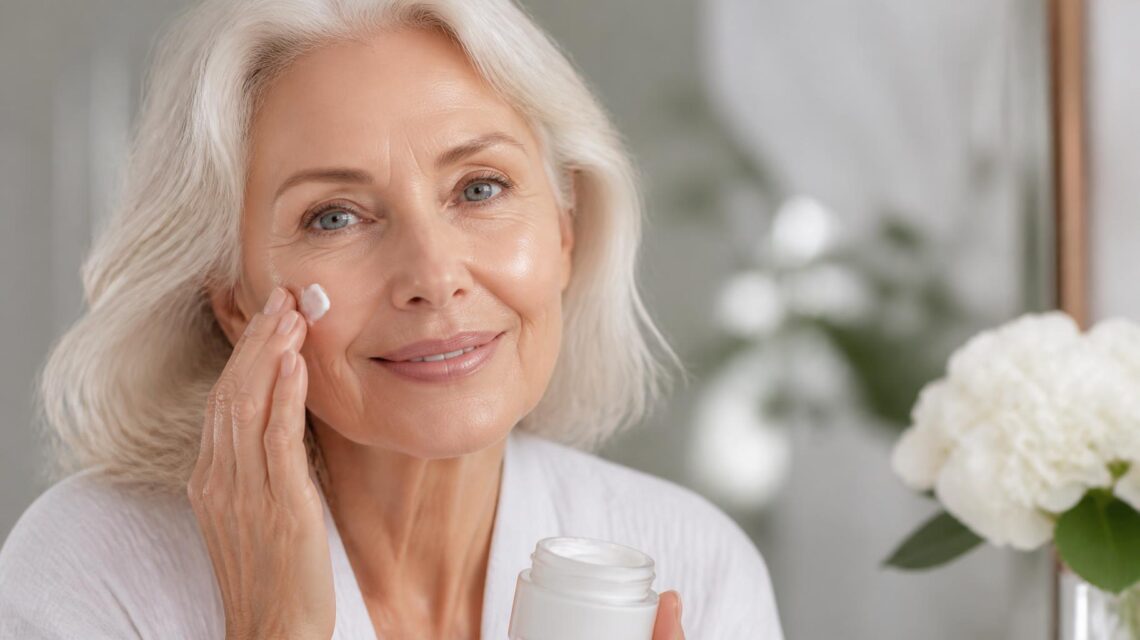
Finding a face cream that truly delivers can feel overwhelming, especially when mature skin has very specific needs. As skin changes with age, it often becomes drier, more delicate, and more prone to visible fine lines and loss of firmness. That is why so many shoppers pay attention when older reviewers repeatedly praise a product for comfort, hydration, and everyday results. One standout that continues to earn admiration is La Roche-Posay face cream, a skincare favorite that has built a loyal following among users in their 70s and beyond.
When a moisturizer earns glowing reviews from people with decades of skincare experience, it says a lot. These shoppers are not usually impressed by flashy claims alone. They want a cream that feels nourishing, absorbs well, layers easily with other products, and helps skin look healthier over time. In this post, we will explore why this La Roche-Posay cream has become such a trusted option, what makes it especially appealing for mature skin, and how to get the best results from it.
Why Mature Skin Needs a Different Kind of Moisturizer
As skin ages, it naturally undergoes several changes. Oil production slows down, which can leave the complexion feeling rough, tight, or flaky. The skin barrier may weaken, making it easier for irritants to cause redness or sensitivity. At the same time, collagen and elasticity decline, which can make wrinkles and sagging more noticeable.
Because of these changes, mature skin often benefits most from a face cream that focuses on deep hydration, barrier support, and gentle care. Harsh actives or overly lightweight formulas may not provide enough comfort. A richer, dermatologist-informed moisturizer can make a real difference in how the skin feels throughout the day.
- Hydration: Helps reduce dryness and supports a plumper appearance
- Barrier repair: Protects skin from moisture loss and environmental stress
- Comfort: Soothes skin that may be more reactive or fragile
- Smoother texture: Can improve the look and feel of rough patches
This is exactly where La Roche-Posay has built its reputation. The brand is well known for products that are developed with sensitive skin in mind and backed by dermatologist trust.
What Makes La Roche-Posay Stand Out
La Roche-Posay has long been associated with simple, effective skincare that prioritizes tolerance and long-term skin health. Rather than relying on overly complicated formulations, many of the brand’s products focus on proven ingredients that support the skin barrier and replenish lost moisture.
For older users, that matters. Many mature consumers want skincare that feels reliable rather than trendy. They are often looking for products that do not sting, pill, or clash with sunscreen and makeup. La Roche-Posay creams tend to appeal because they strike a balance between gentle formulation and visible moisturization.
Some of the reasons beauty shoppers continue to gravitate toward the brand include:
- Formulas designed for sensitive skin
- A pharmacy-inspired reputation that feels approachable and trustworthy
- Hydrating ingredients that support a softer, smoother complexion
- Textures that often feel rich without being excessively greasy
- Strong word-of-mouth from real users, including older reviewers
Why 70-Year-Old Reviewers Are Especially Convincing
Product reviews from older shoppers carry a unique kind of credibility. At 70 and beyond, consumers typically know what works for their skin and what does not. They have likely tried luxury creams, drugstore staples, and everything in between. When they continue repurchasing a moisturizer and recommending it to others, that repeated approval stands out.
Many older reviewers praise face creams for practical reasons rather than exaggerated promises. They tend to value:
- How comfortable the cream feels on dry or thinning skin
- Whether it helps reduce that tight feeling after cleansing
- How well it works under sunscreen or foundation
- Whether it softens the appearance of fine lines caused by dehydration
- If it offers consistent results without irritation
That real-world feedback is one reason La Roche-Posay continues to resonate. It is not just about anti-aging marketing language. It is about how the skin actually feels day after day.
Key Benefits of a Rich, Dermatologist-Favored Face Cream
A high-quality face cream can do much more than simply moisturize the surface. For mature skin, the right formula may help improve the overall look and feel of the complexion by reinforcing comfort and resilience.
1. Long-Lasting Hydration
One of the most obvious benefits is sustained moisture. Dryness can exaggerate the appearance of fine lines and leave skin looking dull. A nourishing face cream helps trap water in the skin, creating a softer and fresher look.
2. Smoother Appearance
When skin is well moisturized, it often appears smoother and more even. While no cream can erase deep wrinkles overnight, hydration can make crepey or rough areas look less pronounced.
3. Better Barrier Support
Mature skin often needs barrier-friendly ingredients that protect against external stressors. A supportive moisturizer may reduce discomfort associated with sensitivity, dryness, and over-cleansing.
4. Enhanced Daily Comfort
For many users, the biggest improvement is simply that the skin feels better. Less tightness, less flaking, and more suppleness can dramatically improve the skincare experience.
5. A Healthy Glow
Dewy, healthy-looking skin is not just for younger complexions. The right cream can help restore radiance to skin that has become dry or lackluster over time.
Ingredients Often Found in Moisturizers for Mature Skin
Although specific formulas vary, face creams that perform well for older skin often rely on a few tried-and-true ingredient categories. La Roche-Posay products regularly feature some of these essentials, which helps explain their popularity among mature users.
- Humectants: Ingredients like glycerin help attract water to the skin
- Emollients: These soften and smooth rough texture
- Barrier-supportive ingredients: Such as ceramides, which help reinforce the skin’s protective layer
- Soothing components: Helpful for skin that is prone to irritation
- Thermal spring water: A signature element often associated with La Roche-Posay products
Together, these ingredients can create a formula that feels replenishing rather than heavy, which is ideal for people who want comfort without a greasy after-feel.
How to Use a Face Cream for the Best Results
Even the best moisturizer works better when applied correctly. Mature skin benefits from a consistent routine that emphasizes hydration and protection.
Apply to Slightly Damp Skin
After cleansing, apply face cream while the skin is still slightly damp. This can help lock in moisture more effectively.
Use Gentle Upward Motions
Rather than rubbing aggressively, smooth the cream onto the face and neck using gentle upward strokes. The neck and chest should not be overlooked, as they often show signs of aging too.
Layer with a Simple Routine
A moisturizer like this works well in a simple regimen:
- Gentle cleanser
- Hydrating serum, if desired
- La Roche-Posay face cream
- Broad-spectrum sunscreen in the morning
Use Morning and Night
If your skin is especially dry, applying the cream twice daily can improve comfort and hydration. Nighttime use is particularly helpful because the skin can absorb moisture while you sleep.
Who Should Try This Type of Moisturizer
This kind of face cream is especially well suited to:
- People with mature or aging skin
- Anyone dealing with dryness, tightness, or flaking
- Those who want a gentle formula for sensitive skin
- Shoppers looking for a dermatologist-trusted skincare brand
- Users who prefer a cream that focuses on comfort and hydration over hype
It may also be a smart option for younger users who have dry or compromised skin barriers. While mature reviewers may be leading the praise, a well-formulated moisturizer can benefit many skin types.
What to Look for When Choosing a Moisturizer for Aging Skin
If you are comparing face creams and wondering whether this type of product is right for you, keep these factors in mind: